

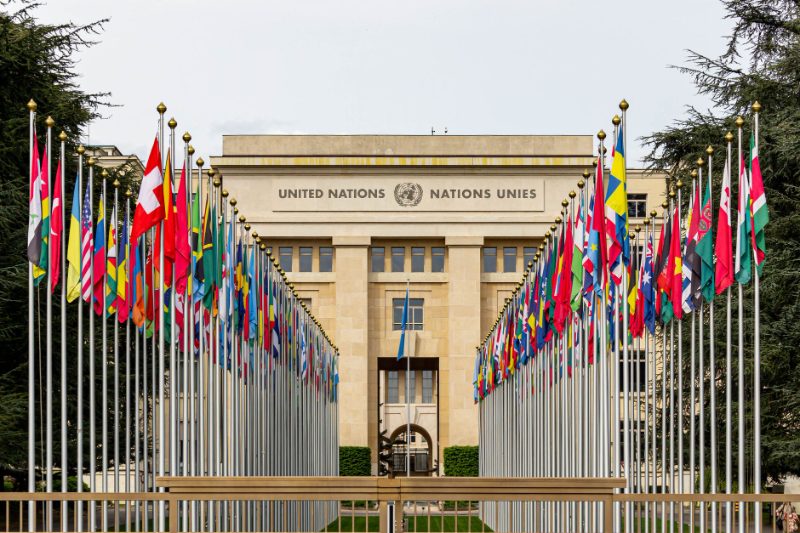
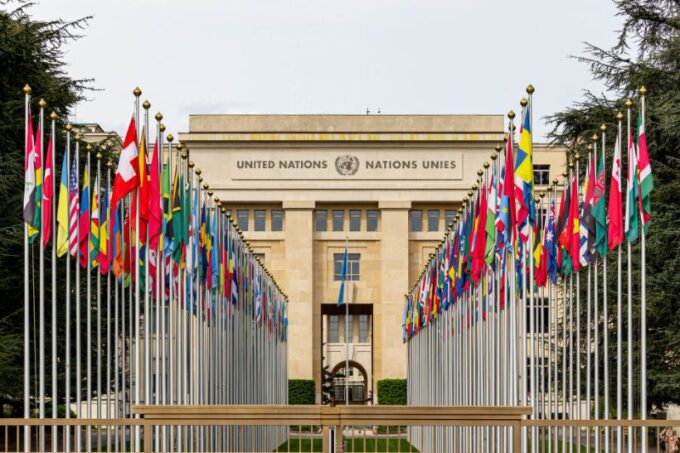
World leaders opened the high-level segment of the 81st UN General Assembly in New York on September 22, 2026, under the theme “Restoring trust, managing transformation: a United Nations that delivers for all,” with nearly 130 heads of state and government addressing wars in the Middle East and Ukraine, artificial intelligence and the UN’s funding squeeze. US President Donald Trump spoke second in the lineup, following Brazil, and used part of his address to touch on trade relationships, including fertiliser imports from Canada.
Trump confirmed the United States would continue buying Canadian potash despite exploring cheaper alternatives, stating “we’ll continue to go with Canada, but Belarus would like to sell it for a much lower price.” Canadian Prime Minister Mark Carney responded by highlighting Canada’s position as the source of 40% of the world’s potash supply, calling it “an incredible strength of our economy” and pitching a broader North American fertiliser independence push.
What Did Trump and Carney Say About Fertiliser Trade?
Carney described Canada as “a reliable, cost-competitive supplier” and proposed that the US and Canada work toward becoming “fertilizer independent,” arguing such cooperation “would be good for Canadian farmers” and “great for American farmers” too, extending the idea to ammonia and other fertiliser categories produced across North America. Trump’s comments did not include any new formal tariff announcement, with the exchange centred on commodity pricing competition between Canadian and Belarusian potash suppliers rather than a shift in trade policy. Notably, the discussion also referenced a planned visit by Indian Prime Minister Narendra Modi to Canada in December 2026 for trade negotiations, signalling a broader recalibration of North American and Indo-Pacific trade ties.
What Else Dominated Day One of the UN General Assembly?
UN Secretary-General Antonio Guterres delivered what is expected to be his final opening address to the Assembly, while Palestinian President Mahmoud Abbas addressed the gathering via prerecorded video after his visa request was denied. Beyond the US-Canada trade exchange, day one discussions touched on the wars in Ukraine and the Middle East, growing concern over the UN’s funding shortfall, and the accelerating role of artificial intelligence in global governance. Additional high-level meetings scheduled through September 26 and September 28 will cover climate action, pandemic preparedness and nuclear weapons elimination.
Market and Trade Reaction
Agricultural commodity traders flagged the potash exchange as a signal that North American fertiliser supply chains remain a live bargaining chip in broader US trade strategy, even absent a formal policy change. Canadian mining and fertiliser stocks saw modest attention from investors parsing Carney’s remarks for signs of expanded government support for potash and ammonia capacity. Indian trade watchers noted the reference to a December Modi-Canada visit as an early signal that stalled India-Canada trade talks could see renewed momentum before year-end.
What Happens Next?
The UN General Assembly’s high-level week continues through September 26, with a further session on September 28, as more world leaders take the podium to address the Assembly. Trade observers will watch for any follow-up details on the planned December Modi-Canada visit, as well as whether the Trump-Carney potash exchange translates into concrete negotiations over North American fertiliser supply arrangements in the coming months.
Frequently Asked Questions
What did Trump say about Canadian potash at the UN General Assembly?
Trump said the US would continue buying Canadian potash, while noting Belarus offers it at a lower price, adding “we’ll continue to go with Canada, but Belarus would like to sell it for a much lower price.”
What is Canada’s fertiliser independence proposal?
PM Mark Carney proposed that the US and Canada work toward fertiliser independence by expanding cooperation on potash and ammonia production across North America, benefiting farmers in both countries.
Is there a trade-related India connection at UNGA 2026?
Yes, discussions referenced a planned visit by Indian Prime Minister Narendra Modi to Canada in December 2026 for trade negotiations, suggesting renewed momentum in India-Canada trade talks.








Leave a comment