

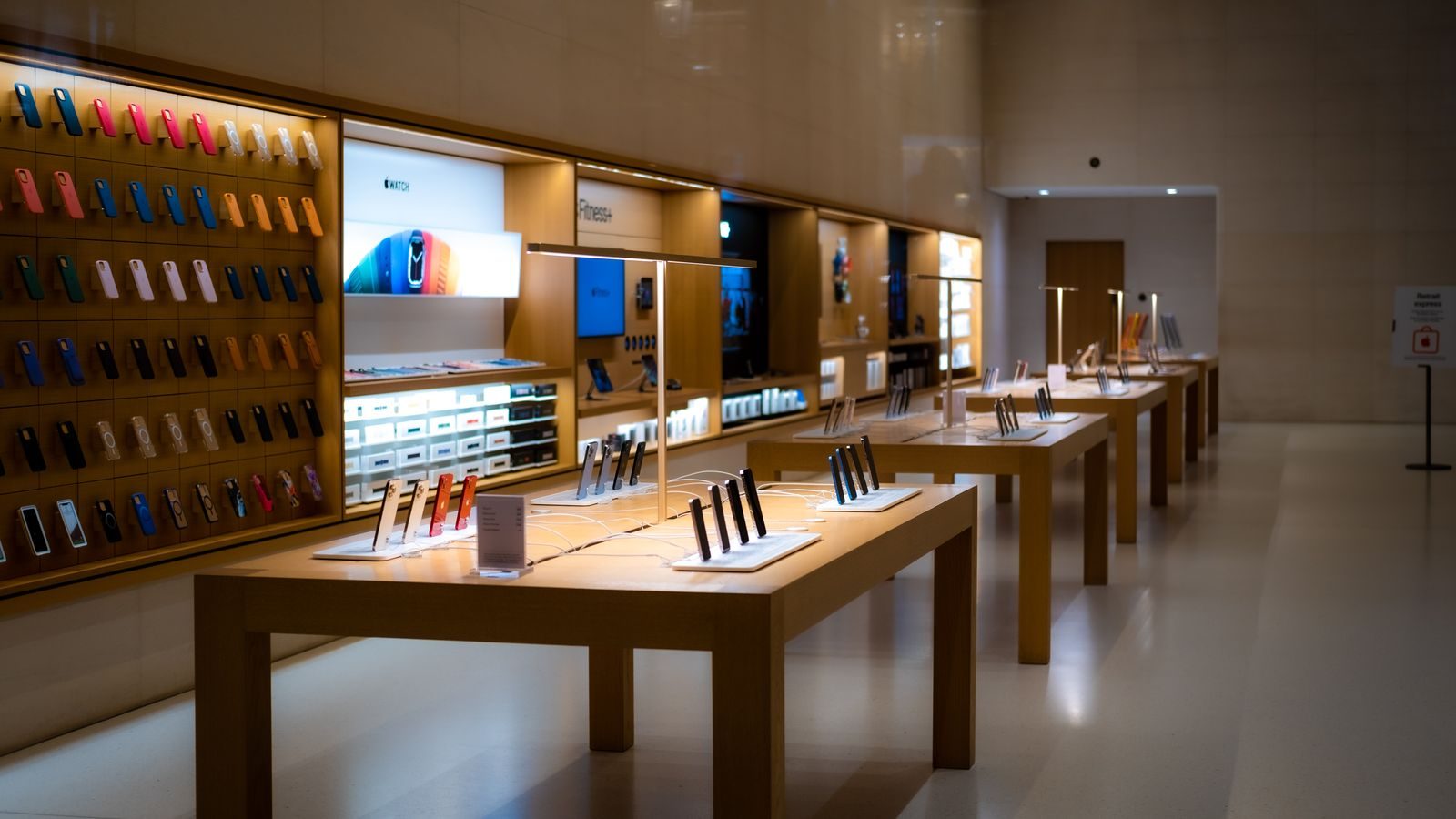
Retail smartphone sales volumes in India fell 18-20% during the 2026 Diwali period, according to the All India Mobile Retailers Association (AIMRA), even as overall sales value stayed broadly in line with last year’s festive season. Diwali smartphone sales held up in value because higher average selling prices offset the fall in units, Inc42 reported on 11 November 2026.
AIMRA described the contraction in volumes as steeper, squeezing margins and store profitability across mainline retail channels. The period it covered runs from Dhanteras on 6 November to the day after Diwali on 9 November.
How did Diwali smartphone sales perform in 2026?
Mobile phone sales volumes dropped 18-20% over the Diwali period, AIMRA said. Offline volumes in the seven days before Dhanteras fell nearly 40% as consumers waited for festive offers, and footfall and demand recovered during the festive window.
Urban consumers showed muted interest in upgrading devices, while Tier 1, Tier 2 and Tier 3 markets showed stronger momentum, especially in the mid-segment. Most purchases were in the ₹30,000-60,000 band after offers, and the premium segment also saw healthy demand. The sub-₹20,000 segment was hit by a shortage of fresh, competitive 5G models from leading brands. Some buyers switched to HMD, Lava, Ai+, Tecno and itel, while others chose pre-owned or refurbished devices.
Which smartphone brands gained and which lost ground?
Apple and Google Pixel saw strong demand, and Xiaomi benefited from competitive pricing. Vivo, OPPO and Samsung kept healthy sales by value but saw weaker unit volumes. Realme volumes fell by over 50% across regions. AIMRA attributed this to uncompetitive pricing versus Xiaomi, Samsung and Vivo, no new festive launches and weak consumer schemes.
What it means for Indian retailers and buyers
Financing was another pressure point. Only 60-70% of logged loan applications were approved, due to tighter underwriting and CIBIL-related rejections.
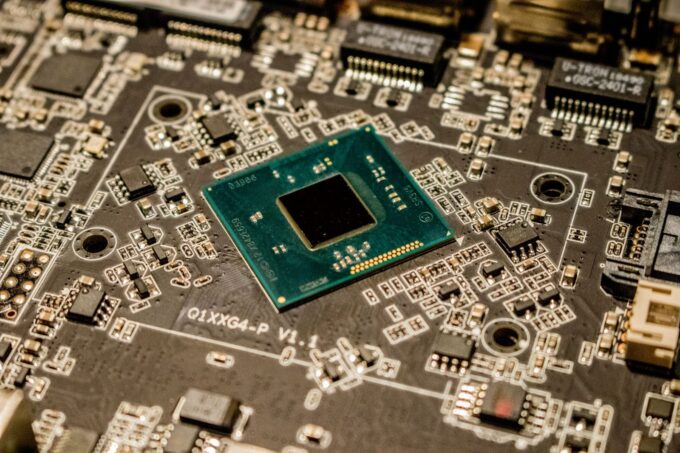
Prices are also rising. The AI boom has reduced supply of critical components for entry-level and budget phone makers, because memory chipmakers are prioritising data centres and AI infrastructure, where margins are higher. Per-device memory cost has risen to $60-65, a threefold jump from about $20 in 2025, according to a Jefferies report. Jefferies expects low-end smartphone prices to rise nearly 30%. Counterpoint Research data cited in the report shows retail prices of existing smartphones in India have risen by as much as 21% on average. Xiaomi has signalled price increases of up to ₹4,000 across categories, and other makers are preparing hikes of up to 15%.
Industry Reaction and Expert Commentary
AIMRA is the main voice in the report. Deloitte expects the memory shortage to last until as late as 2030, the report says. The source does not include comments from smartphone brands on AIMRA’s figures, and no brand reaction was found.
What Happens Next?
AIMRA expects sales volumes at mainline brick-and-mortar stores to contract by as much as 50% over the next three months. The report does not say which new models are planned for the sub-₹20,000 segment.
Frequently Asked Questions
How much did smartphone sales fall during Diwali 2026?
AIMRA says volumes fell 18-20%, while overall sales value stayed broadly in line with last year’s festive season because average selling prices were higher.
Why are smartphones getting more expensive in India?
Memory chipmakers are prioritising data centres and AI infrastructure, which has cut supply for budget phone makers. Jefferies says per-device memory cost has risen to $60-65 from about $20 in 2025.
Which brand saw the steepest fall in volumes?
Realme volumes fell by over 50% across regions, according to AIMRA, which cited uncompetitive pricing, no new festive launches and weak consumer schemes.
Source: Inc42, 11 November 2026 (citing AIMRA).









Leave a comment