

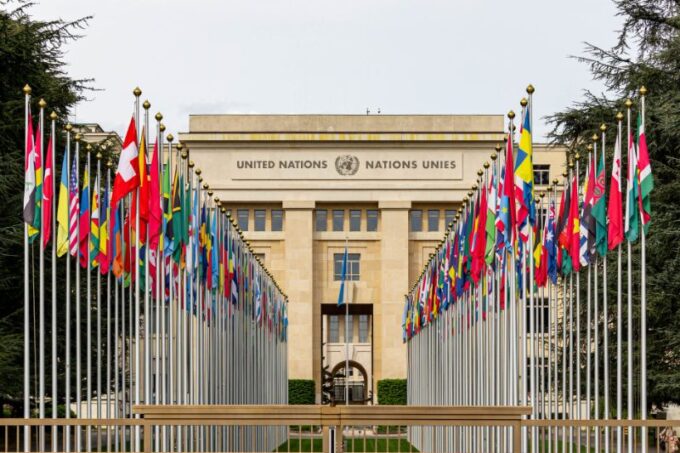
Morocco formally announced its candidacy for a non-permanent seat on the UN Security Council for the 2028-2029 term during Foreign Minister Nasser Bourita’s address to the 81st UN General Assembly on September 22, 2026. Bourita framed the bid around what Morocco describes as a structural imbalance in global governance, arguing that “maintaining the 1945 status quo perpetuates a structural injustice against Africa, a continent that remains excluded from the primary decision-making core.”
Alongside the Security Council bid, Morocco pledged a package of military and humanitarian support for Gaza stabilisation efforts, including a field hospital equipped with advanced trauma and surgical units, training programmes for Palestinian civilian police, senior military liaisons to coordinate internal security frameworks, and counter-radicalisation initiatives aimed at post-conflict recovery.
Why Is Morocco Framing Its UN Bid Around African Representation?
Morocco’s candidacy leans heavily on the argument that Africa remains structurally underrepresented in the UN’s primary decision-making body, a position echoed by several African Union member states in past reform discussions. Bourita’s remarks positioned the bid as part of a broader push for institutional reform rather than a purely national ambition, aligning Morocco with longstanding African Union calls for permanent or expanded representation on the Security Council. Diplomatic observers note that securing the 2028-2029 seat would require Morocco to navigate the African Union’s rotational endorsement process well ahead of the vote.
What Does Morocco’s Gaza Support Package Involve?
The pledged field hospital is intended to provide trauma and surgical care as part of wider international stabilisation efforts in Gaza, while the police-training and military-liaison components aim to help rebuild internal security capacity for a post-conflict Palestinian administration. Bourita called for “rigorous enforcement of a durable ceasefire and the unimpeded, large-scale delivery of humanitarian relief supplies overseen by international agencies,” tying Morocco’s operational commitments to its long-standing position favouring a two-state solution based on pre-June 1967 borders with East Jerusalem as the Palestinian capital, alongside security guarantees for Israel.
Market and Trade Reaction
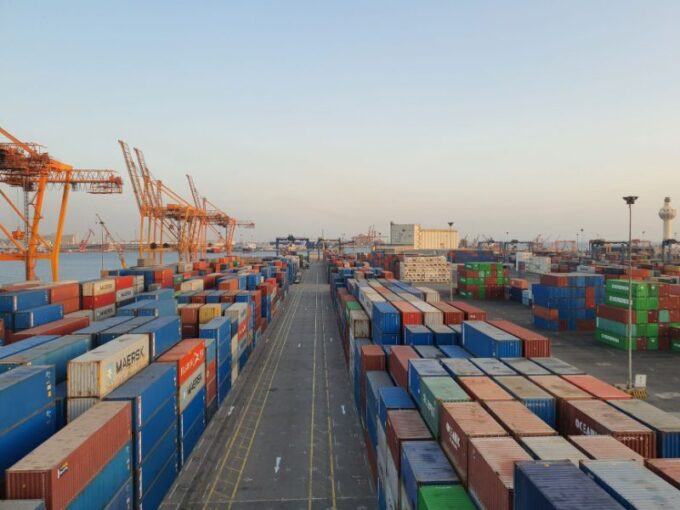
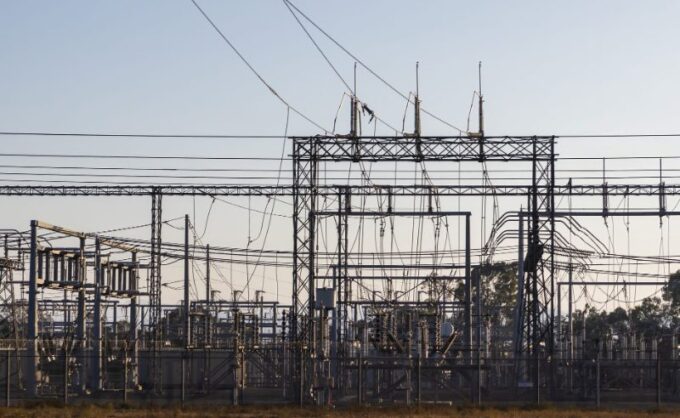
Morocco’s UN address also placed its Gaza and Security Council initiatives within a broader set of continental economic projects, including the Royal Atlantic Initiative for the Sahel, the African Atlantic States Process, and the Nigeria-Morocco African Atlantic Gas Pipeline. Energy analysts tracking North-West African infrastructure said the repeated references to the gas pipeline project signal Rabat’s intent to position itself as a connective hub for West African energy exports to European markets, a strategic economic angle running alongside its diplomatic push at the UN.
What Happens Next?
Morocco’s Security Council candidacy will need to clear the African Union’s internal endorsement process before facing a UN General Assembly vote closer to the 2028-2029 term. On the Gaza front, the timeline for deploying the pledged field hospital and police-training programmes will depend on the broader ceasefire and stabilisation framework taking shape among international partners in the region.
Frequently Asked Questions
What UN Security Council seat is Morocco seeking?
Morocco is seeking a non-permanent Security Council seat for the 2028-2029 term, framing the bid around addressing Africa’s underrepresentation in the UN’s primary decision-making body.
What support is Morocco offering for Gaza?
Morocco pledged a military field hospital for trauma care, civilian police training programmes, senior military liaisons, and counter-radicalisation initiatives to support Gaza’s post-conflict stabilisation.
What is Morocco’s position on a Palestinian state?
Morocco supports a two-state solution based on pre-June 1967 borders with East Jerusalem as the Palestinian capital, alongside security guarantees for Israel, as outlined by King Mohammed VI’s framework.






Leave a comment