

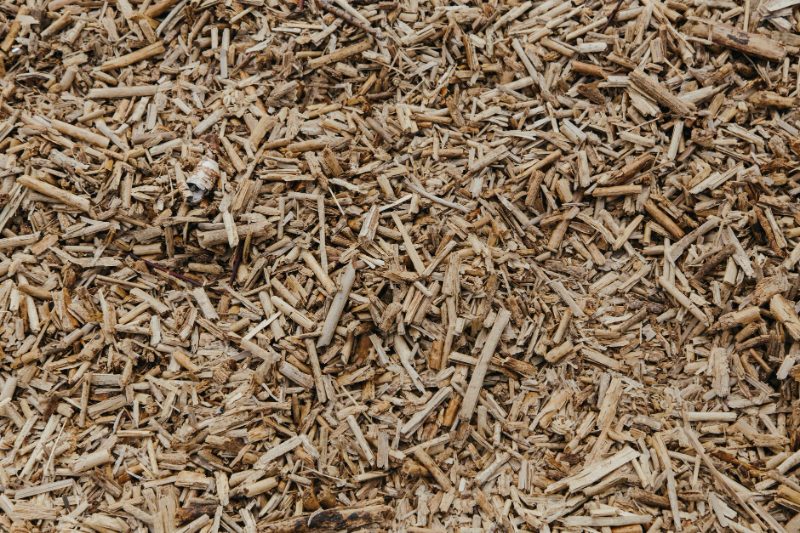
Biochar-derived black pigment from agricultural residue offers equivalent tinting strength with lower carbon footprint.
BioBlack TX — a commercial biochar-derived black pigment produced from agricultural biomass through controlled pyrolysis — is advancing into coating formulation trials as an alternative to petroleum-derived carbon black. Carbon black is the dominant black pigment in automotive, industrial, and architectural coatings with an estimated global market of USD 24 billion; its production through partial combustion of heavy petroleum fractions generates significant CO₂ emissions and carcinogenic polycyclic aromatic hydrocarbon (PAH) by-products.
Biochar-derived black pigments from rice husk, sugarcane bagasse, and coconut shell — all abundantly available as agricultural waste in India — are showing tinting strength within 80–90% of commercial carbon black at comparable particle size distributions. Achieving the final 10–20% performance gap requires advances in pyrolysis parameter control and surface activation.
Industry Implications and Market Context
India generates approximately 500 million tonnes of agricultural residue annually — an enormous feedstock base for biochar production. Converting agricultural waste into high-value coating pigment creates both a waste management solution and a domestic pigment supply chain opportunity.
What Happens Next?
Watch for CSIR-CPCRI, IIT Roorkee, and agri-biochar companies to commercialise coating-grade biochar black in H2 2026 and 2027. Major coating manufacturers are expected to evaluate trial batches in 2026.
Frequently Asked Questions
How does biochar black compare to carbon black in tinting strength?
Biochar-derived black pigments currently achieve 80–90% of the tinting strength of premium carbon black grades at equivalent loading. Surface activation through acid treatment or thermal modification can close the gap to within 5–10% — acceptable for many architectural and industrial coating applications.
What agricultural residues in India can produce biochar black?
Rice husk (India produces 100+ million tonnes/year), sugarcane bagasse (350+ million tonnes/year), and coconut shell (from 23 billion coconuts/year) are the most commercially significant biochar feedstocks. All have established collection and drying infrastructure in major agricultural states.
Where can I find more information?
CSIR-CPCRI, the Indian Institute of Petroleum (IIP), and the Biochar India Network track biochar pigment developments. The Indian Paint Association (IPA) publishes research on sustainable pigment alternatives for the domestic market.













Leave a comment