

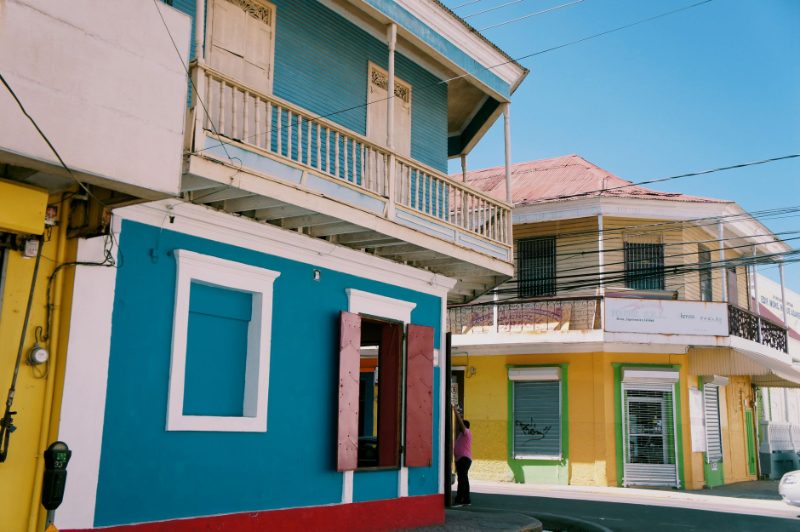
New high-lightfast organic and inorganic pigments extend exterior colour retention to 10+ years in tropical UV conditions.
Consumer complaints about exterior paint colour fade in Indian conditions — particularly in coastal and high-UV regions — are driving a product upgrade cycle toward ultra-lightfast colorant systems. Standard exterior decorative paints formulated with lightfastness class 5–6 organic pigments (on the Blue Wool Scale) typically show perceptible colour fade within 3–5 years in tropical UV exposure. Next-generation exterior paint formulations incorporating lightfastness class 7–8 pigments and UV-blocking aluminium effect pigments are designed to maintain colour appearance for 10+ years under comparable exposure conditions.
The technical challenge is cost: lightfastness class 7–8 organic pigments (perylene, quinacridone, and dioxazine series) cost 3–5× more than standard class 5–6 pigments. Achieving 10-year exterior colour retention at accessible price points requires precise pigment selection, UV absorber integration, and optimised binder UV stability — a technical formulation challenge that differentiates premium from economy exterior coating ranges.
Industry Implications and Market Context
Exterior colour retention is a primary purchase motivator in the Indian premium decorative segment and a source of significant post-purchase complaint and warranty claim volume. Brands offering credible 10-year colour retention warranties (backed by accelerated weathering data) command price premiums and build loyalty through demonstrated performance differentiation.
What Happens Next?
Watch for Asian Paints Apex Ultima and Berger WeatherCoat next-generation launches with 10-year colour retention claims and supporting accelerated weathering data in H1 2026.
Frequently Asked Questions
What causes exterior paint to fade in India?
UV radiation in tropical India (UV index 9–11 in summer) degrades organic pigments through photoxidation. Coastal humidity, salt spray, and monsoon acid rain accelerate pigment degradation further. Dark and vibrant organic colours fade faster than whites and pastels because they absorb more UV energy.
What is the Blue Wool Scale for paint lightfastness?
The Blue Wool Scale (ISO 105-B02) rates lightfastness from 1 (poor) to 8 (excellent). Exterior paints should specify pigments rated 6–7 minimum; ultra-premium exterior ranges use class 7–8 pigments. The rating translates to approximately 2× longer colour life per scale step under equivalent UV exposure.
Where can I find more information?
The Indian Paint Association (IPA), BIS IS 15489, and ASTM D822/G154 accelerated weathering standards provide guidance on exterior paint lightfastness specification. Pigment suppliers including BASF Colors & Effects, Clariant, and Sun Chemical publish lightfastness data for coating-grade pigments.







Leave a comment