

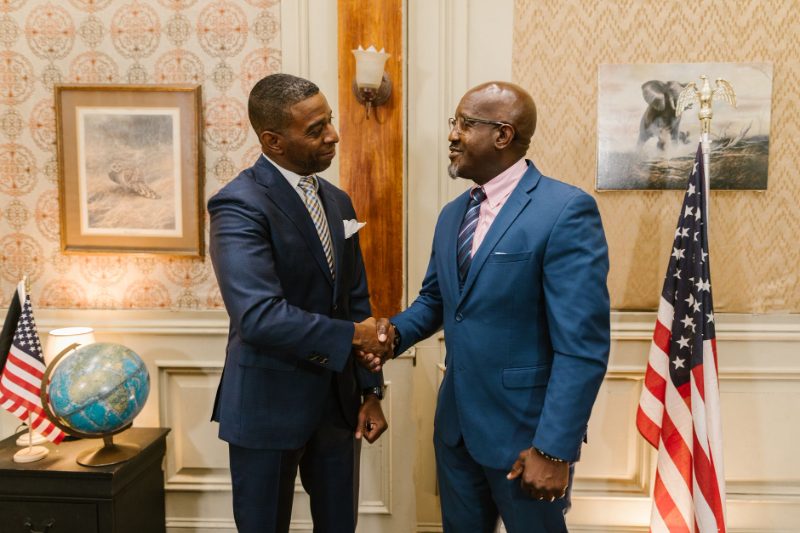
The 18th BRICS Summit concluded in New Delhi on September 13, 2026, with Prime Minister Narendra Modi closing the two-day meeting by declaring that BRICS nations had “turned a shared vision into win-win collaboration.” The BRICS Summit 2026 New Delhi gathering, held under India’s chairship, expanded the bloc to 11 members and produced the Delhi Declaration, a 140-point roadmap alongside a Modi-Xi Jinping meeting that drew close international attention given ongoing India-China border tensions.
Held at Bharat Mandapam, the summit brought together leaders from an expanded BRICS grouping that now represents roughly 25% of world goods exports and a significant share of the Global South. Modi used his closing remarks and open-session address to warn against the “weaponisation” of technology and critical minerals, a message directed broadly at practices some Western economies have used to restrict access to strategic resources and technologies.
What Were the Key Outcomes of the Summit?
Beyond the Delhi Declaration’s trade and governance provisions, the summit produced more than 150 practical outcomes spanning MSME cooperation, a new Startup Innovation Fund, a Digital Agriculture Network, and a Logistic Supply Chain Cooperation Framework. Leaders also backed reform of the UN, World Bank, IMF and WTO, arguing these institutions should better reflect current global economic weight rather than post-war era alignments.
How Significant Was the Modi-Xi Meeting?
The Modi-Xi meeting on the summit sidelines was closely watched internationally as a signal of whether India-China relations are stabilising after years of border tension following the 2020 Galwan clash. While no major bilateral breakthrough was announced, the meeting was read by analysts as evidence both sides are willing to maintain working-level engagement even as broader geopolitical rivalry, including competition over BRICS leadership and Global South influence, continues.
Market and Trade Reaction
Global affairs analysts noted the summit reinforced India’s positioning as a bridge between Western economies and the Global South, hosting a bloc that includes both China and Russia while India simultaneously negotiates trade deals with the US and EU. Financial commentary focused on the practical, implementation-oriented outcomes such as the Startup Fund and BRICS Pay progress, suggesting markets are increasingly treating BRICS summits as venues for concrete economic deliverables rather than symbolic statements alone.
What Happens Next?
BRICS chairship now passes toward Brazil, which will be responsible for carrying forward implementation of the Delhi Declaration’s commitments, including the Startup Fund, Digital Agriculture Network and Logistic Supply Chain Framework. Diplomats will be watching whether the Modi-Xi engagement translates into any de-escalation steps on the India-China border in the months following the summit.
Frequently Asked Questions
What is the BRICS Summit 2026 and where was it held?
It is the 18th BRICS Summit, held on September 12-13, 2026 at Bharat Mandapam in New Delhi under India’s chairship, bringing together leaders of the now 11-member BRICS grouping.
Did PM Modi and President Xi Jinping meet at the summit?
Yes, Modi and Xi held a bilateral meeting on the summit sidelines, closely watched given ongoing India-China border tensions, though no major bilateral breakthrough was announced.
What did Modi say about technology and critical minerals?
Modi warned against the “weaponisation” of technology and critical minerals during his summit address, a message widely read as a call for more resilient, diversified global supply chains.










Leave a comment