

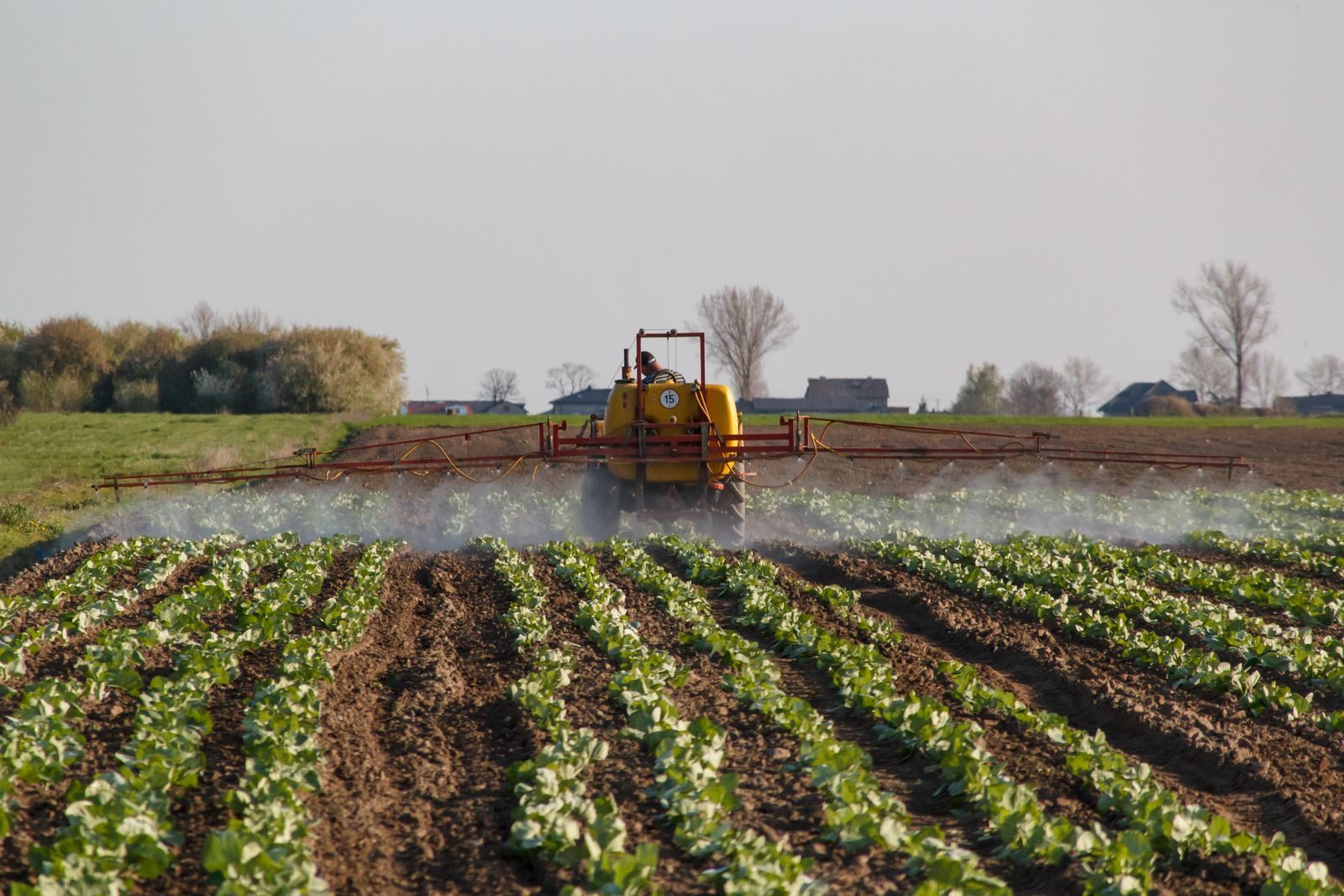
The Government of India has approved six brownfield urea projects under the National Investment Policy for Urea (NIPU)-2026, adding 76.2 lakh metric tonnes (LMT) of annual capacity. Each of the six brownfield urea projects will have a capacity of 12.7 LMT a year, and the total estimated investment is Rs 54,000 crore, according to a report by Indian Chemical News on 26 November 2026.
The investment estimate is based on a capital cost norm of about Rs 9,000 crore per plant. The six projects are spread across five states and cover public sector, cooperative and private companies. The report says that “more projects are also in the pipeline.”
Which Plants Are Part of the Six Brownfield Urea Projects?
The approved projects, as listed in the report, are:
- MFL-Madras, Chennai, Tamil Nadu (public sector): replaces a unit that is more than 60 years old.
- NFL Nangal, Punjab (public sector): replaces a plant that is about 50–55 years old, with an existing capacity of 4.73 LMT.
- KFL-Shahjahanpur, Uttar Pradesh (cooperative, KRIBHCO): expands a unit commissioned in 1995.
- Matix-Panagarh, West Bengal (private): adds to a complex commissioned in 2017. West Bengal currently has only one urea plant.
- CFCL Gadepan, Kota, Rajasthan (private): expands a complex operational since 1994.
- IIPL-Jagdishpur, Uttar Pradesh (private): a plant established in 1988.
Energy efficiency is one reason for replacing older units. The Nangal plant consumes 6.498 Gcal per metric tonne of urea, compared with a weighted industry average of 5.95 Gcal/MT and a New Energy Norm of 5 Gcal/MT, the report said.
What the New Capacity Means for India’s Fertiliser and Chemical Industry
India consumes around 400 LMT of urea a year. Domestic output rose from 225 LMT in 2014–15 to a record 314.07 LMT in 2023–24, and stood at 293.30 LMT in 2025–26. The country’s indigenous reassessed capacity rose from 207.54 LMT per annum in 2014–15 to 269.42 LMT per annum in 2026–27.
The report sums up the goal plainly: “The larger objective is clear: strengthen domestic production, reduce import dependence.”
For investors, the policy offers a Return on Equity framework of 12% to 16%, with a 12% floor and a 16% ceiling. It also includes a mechanism to normalise exchange rates, converting the foreign exchange component into rupees after four years at prevailing rates. Choosing brownfield sites, rather than new greenfield ones, is expected to save about Rs 225 crore a year, or nearly Rs 1,800 crore over eight years.
How NIPU-2026 Builds on the 2012 Urea Policy
The earlier New Investment Policy-2012 was announced on 2 January 2013 and amended on 7 October 2014. It led to six urea units: joint ventures at Ramagundam (RFCL, Telangana), Gorakhpur (HURL, Uttar Pradesh), Sindri (HURL, Jharkhand) and Barauni (HURL, Bihar), and private units by Matix Fertilizers at Panagarh and Chambal Fertilizers at Gadepan-III in Rajasthan.
Two more 12.7 LMT projects are already in the pipeline. These are the Talcher Fertilizer Project in Odisha, which uses the coal-gasification route and is expected to be completed in December 2027, and the Assam Valley Fertilizers & Chemicals Company Limited project at Namrup, Assam, announced on 19 March 2025.
Market Reaction and Industry Response
No statement from the six companies or from fertiliser industry bodies on the approvals was found at the time of publishing. No stock market reaction specific to this announcement was found either.
What Happens Next?
The report did not give construction timelines or commissioning dates for the six brownfield projects. Industrial Front will track company filings and official updates as the projects move to execution.
Frequently Asked Questions
How many brownfield urea projects were approved under NIPU-2026?
Six brownfield urea projects were approved, each with 12.7 LMT of annual capacity, adding 76.2 LMT in total.
How much investment do the six urea projects involve?
The estimated investment is Rs 54,000 crore, based on a capital cost norm of about Rs 9,000 crore per plant.
Where are the new urea projects located?
They are at Chennai (Tamil Nadu), Nangal (Punjab), Shahjahanpur and Jagdishpur (Uttar Pradesh), Panagarh (West Bengal) and Gadepan, Kota (Rajasthan).
Source: Indian Chemical News, 26 November 2026.







Leave a comment