

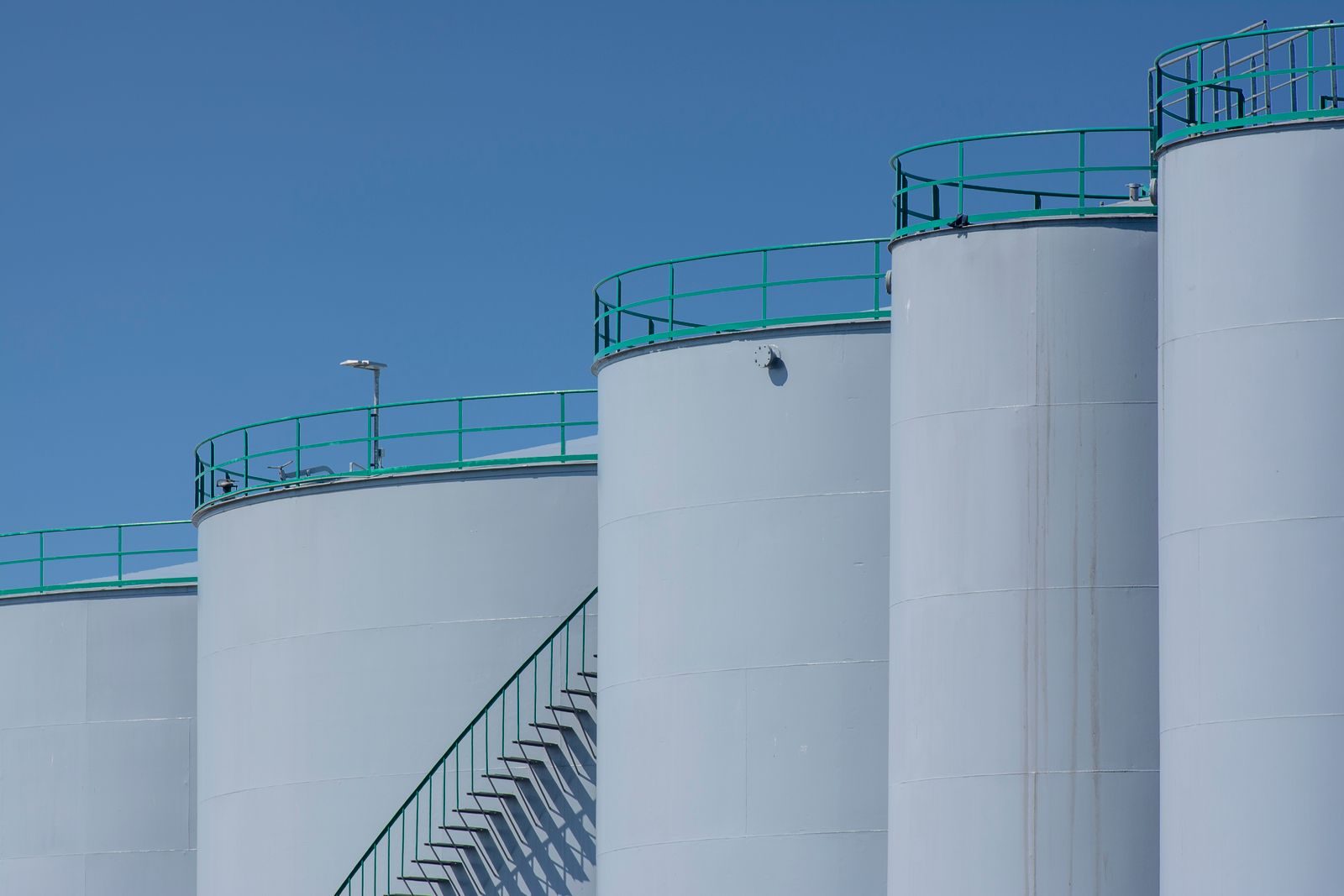
Gujarat Alkalies and Chemicals Limited (GACL) has set a revenue target of more than Rs 10,000 crore by FY31, along with EBITDA margins above 20% by FY2031. The company outlined the Gujarat Alkalies revenue target on its Q2 FY27 earnings call, as reported by Indian Chemical News on 20 November 2026.
The company described the goal as part of a strategic transformation programme called Project Ahvaan. GACL said the targets depend on market conditions, project execution, energy and raw material prices and the chemical cycle, adding: “This remains a medium-term aspiration rather than near-term financial guidance.”
How Does GACL Plan to Reach Rs 10,000 Crore?
GACL said its capital allocation is disciplined and rests on “3 pillars, structural performance improvement, long-term growth & diversification and digital transformation.” Its project pipeline, as reported, is:
- December 2026: a 200 TPD caustic soda flaking facility and cell element replacements at Dahej.
- January 2027: a 120 TPD HCl synthesis unit.
- March 2027: Phase 1 of the chlorotoluene downstream units.
- January 2028: an electronic-grade hydrogen peroxide plant.
- FY29: new boilers, a KOH expansion at Vadodara and a second food-grade phosphoric acid plant at Dahej.
Chlorine Integration and Power Costs: Implications for Chlor-Alkali Producers
GACL expects internal chlorine consumption to rise from 45% to roughly 75% over the next two to three years. Using more chlorine in-house through downstream products reduces a chlor-alkali maker’s dependence on selling chlorine in the open market.
Power is the other lever. Renewables supplied 57% of GACL’s power in H1 FY27, up from 38% in H1 FY26, and the average H1 power rate fell from Rs 7.60 to Rs 7.09 per unit. The company targets a 60% renewable share by March 2027, which it said would bring annualised power costs to Rs 6.18 per kWh, and 80% by FY30, taking costs below Rs 6 per unit. GACL has invested Rs 32.33 crore in equity in a 62.7 MW renewable power special purpose vehicle with Clean Max Sphere Energy, has ongoing projects with ABRen and is evaluating battery-backed solar storage.
Market Reaction and Industry Response
The report did not include share price movement or comment from industry bodies, and Industrial Front did not find any published market reaction to the targets at the time of writing.
What Happens Next?
The first milestones are near: the Dahej caustic soda flaking facility is scheduled for December 2026 and the HCl synthesis unit for January 2027, followed by Phase 1 of the chlorotoluene units in March 2027. The March 2027 renewable share target of 60% is the next measurable checkpoint for its power cost plan.
Frequently Asked Questions
What is Gujarat Alkalies’ revenue target?
GACL aims for revenue above Rs 10,000 crore and EBITDA margins above 20% by FY31, which it calls a medium-term aspiration rather than near-term guidance.
What new plants is GACL building?
Planned projects include a 200 TPD caustic soda flaking facility at Dahej, a 120 TPD HCl unit, chlorotoluene downstream units, an electronic-grade hydrogen peroxide plant, a KOH expansion at Vadodara and a second food-grade phosphoric acid plant at Dahej.
How much of GACL’s power comes from renewables?
Renewables supplied 57% of its power in H1 FY27, with targets of 60% by March 2027 and 80% by FY30.
Source: Indian Chemical News, 20 November 2026 (GACL Q2 FY27 earnings call).







Leave a comment