

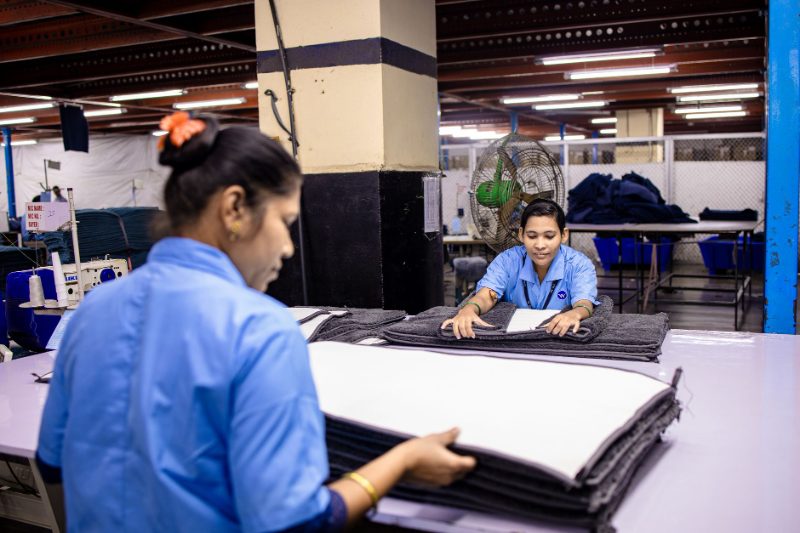
The Indian government is weighing whether to extend the RoSCTL textile export scheme India beyond its September 30, 2026 expiry, with industry body Assocham pushing for a five-year renewal aligned with the Sixteenth Finance Commission period and a doubling of the scheme’s current Rs 5,000 crore allocation. The Rebate of State and Central Taxes and Levies scheme reimburses embedded taxes on textile and apparel exports, and its status is now pending a decision from the Finance Ministry’s Department of Expenditure.
According to figures shared alongside the September 20, 2026 report, the government spent Rs 10,010 crore under RoSCTL in FY26, more than double the current annual allocation, underscoring how central the scheme has become to exporter competitiveness. Assocham’s National Council chair Updeep Singh Chatrath framed the stakes in terms of long-term investment planning, saying “policy consistency is a key factor that influences investment decisions,” as the sector works toward the government’s stated goal of $100 billion in textile exports by 2030, up from roughly $37 billion currently.
Why Does the RoSCTL Textile Export Scheme Matter to Exporters?
RoSCTL exists to neutralise embedded state and central taxes — such as those on electricity, fuel and transport — that domestic textile and apparel exporters cannot otherwise claim back, which would leave Indian goods less price-competitive against rivals like Bangladesh and Vietnam in key export markets such as the United States and European Union. Without a timely extension, exporters warn they would face an abrupt cost increase precisely as they finalise pricing and contracts for the crucial autumn-winter and spring shipment cycles. The scheme’s growing utilisation, from a starting allocation of Rs 5,000 crore to actual FY26 spending exceeding Rs 10,000 crore, reflects both rising export volumes and the deepening reliance of the sector on this specific rebate mechanism. Exporters argue that without a functioning RoSCTL textile export scheme India in place, quoted prices to overseas buyers would need to rise almost immediately, since the rebate is typically factored into contract pricing well before shipment.
What Does This Mean for India’s Textile Industry?
The uncertainty comes as India’s textile and apparel sector, currently valued at roughly $190 billion, targets growth to $350 billion by 2030 — a goal industry estimates suggest will require around $60 billion in fresh investment across spinning, weaving, garmenting and technical textiles capacity. Exporters and industry bodies argue that scheme uncertainty so close to the deadline complicates capital expenditure decisions, since manufacturers weighing new capacity need clarity on export incentive structures that will apply over a multi-year investment horizon. A short-term or partial extension, rather than the requested five-year window, could leave larger integrated players better positioned than smaller exporters who have less capacity to absorb sudden tax-cost increases.
Market Reaction and Industry Response
Industry associations including Assocham have been vocal in pressing the Finance Ministry for swift clarity, framing the request explicitly around the government’s own $100 billion export target rather than as a routine subsidy renewal. Exporter groups in textile hubs such as Tiruppur and Surat are reportedly watching the decision closely, since any lapse or reduction in the RoSCTL textile export scheme India rates would directly affect order pricing already being negotiated with overseas buyers for the coming season. No formal opposition to the extension has been reported from within government, with the debate centred on the scale and duration of the renewed allocation rather than whether an extension will happen at all.
What Happens Next?
With the current scheme set to lapse on September 30, 2026, a government decision is expected imminently, and exporters will be watching whether the Finance Ministry grants the full five-year extension and doubled allocation that Assocham has requested, or opts for a shorter interim renewal. The outcome will shape budget planning for textile and apparel exporters heading into the new fiscal year’s contract negotiations, and a delayed or reduced extension could prompt renewed industry lobbying in the weeks following the deadline.
Frequently Asked Questions
What is the RoSCTL scheme?
RoSCTL, or Rebate of State and Central Taxes and Levies, is a government scheme that reimburses Indian textile and apparel exporters for embedded state and central taxes not otherwise refunded, helping keep their goods price-competitive in export markets.
When does the current RoSCTL scheme expire?
The current scheme is set to expire on September 30, 2026, and the government is deciding whether and how to extend it.
What is the textile industry asking for in the extension?
Industry body Assocham has asked for a five-year extension aligned with the Sixteenth Finance Commission period and a doubling of the scheme’s allocation from Rs 5,000 crore, citing FY26 spending of Rs 10,010 crore as evidence of the scheme’s growing importance.









Leave a comment