

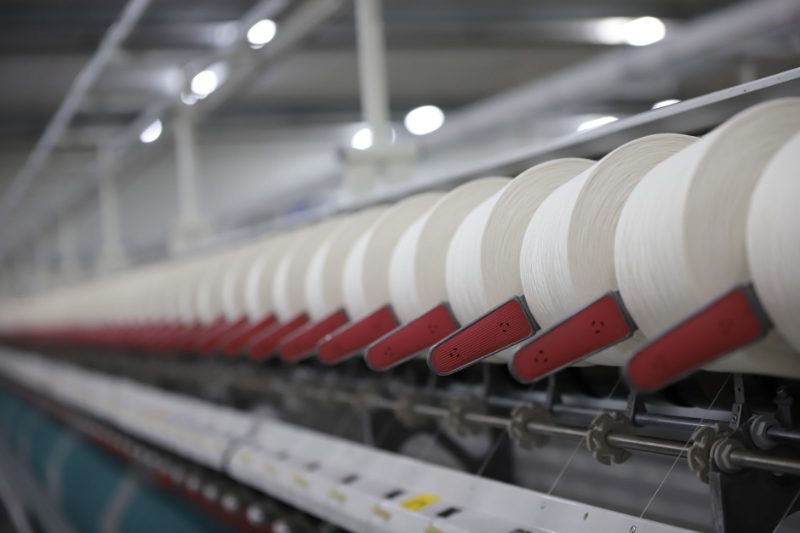
Polyester yarn prices India climbed Rs 5-6 per kg in the key trading hubs of Ludhiana and Surat this week as a spike in global crude oil prices pushed up upstream raw material costs for fibre producers. Virgin polyester fibre manufacturers also raised prices by roughly Rs 1 per kg, passing on higher input costs to yarn spinners and, ultimately, to garment makers already navigating a volatile festive-season demand cycle.
The price movement, reported on September 23, 2026, reflects the tight linkage between crude oil and India’s synthetic textile value chain, since polyester is derived from petrochemical feedstocks including purified terephthalic acid and mono ethylene glycol. In Surat, FDY and spun yarn varieties were trading between Rs 90 and Rs 115 per kg exclusive of GST, with traders describing the market as caught between rising costs and buyer resistance. One Surat-based trader noted that “the consumer industry is avoiding taking risks when the polyester value chain is witnessing roller-coaster volatility,” adding that the swings now exceed normal profit margins for many downstream players.
Why Are Polyester Yarn Prices India Rising Right Now?
The immediate trigger is a jump in international crude oil prices, which raises the cost of petrochemical intermediates used to manufacture polyester staple fibre and filament yarn. Because India imports a significant share of its crude oil and related petrochemical feedstock, domestic polyester producers typically adjust prices within days of sustained crude movements rather than absorbing the cost themselves. Garment exporters and domestic apparel makers, who source polyester and polyester-blended fabric heavily for fast fashion and workwear segments, are the most exposed to this pass-through, particularly smaller units in Ludhiana and Surat that lack long-term hedging arrangements with fibre suppliers.
What Does This Mean for India’s Textile Industry?
For India’s textile industry, the polyester price spike adds another layer of cost uncertainty just as mills head into the festive and winter order cycle, when demand for synthetic and blended fabrics typically peaks. Buyers in Surat were reported to want fabric without accepting higher prices, a standoff that could delay order placements or squeeze margins for weavers and knitters caught between rising yarn costs and fixed-price export contracts. The volatility also complicates planning for composite mills that run both cotton and polyester lines, since North Indian cotton futures moved in the opposite direction, falling roughly Rs 20 per maund even as polyester firmed, forcing blended-yarn producers to recalculate input costs on a near-daily basis.
Market Reaction and Industry Response
Yarn traders in Surat and Ludhiana described a cautious, wait-and-watch mood rather than panic buying, with many downstream units limiting purchases to immediate requirements until crude oil prices stabilise. Viscose yarn showed a mixed picture during the same period, with Mumbai prices up roughly Rs 1 per kg while Surat rates held steady, suggesting the price pressure is currently concentrated in polyester rather than spreading uniformly across all man-made fibres. Industry associations have not yet issued a formal statement on the price movement, though trade sources indicate that further increases are likely if crude oil remains elevated through the coming weeks.
What Happens Next?
Mills and traders will be watching international crude oil benchmarks closely over the next two to three weeks, since any further upward movement is likely to trigger additional price revisions from virgin polyester fibre producers. Garment exporters with fixed-price contracts for the upcoming winter and spring seasons may need to renegotiate terms with buyers if the cost pressure persists, while spinning mills are expected to keep inventory levels lean rather than build stock while polyester yarn prices India remain this volatile. The next major signal will come from how buyers in Surat and Ludhiana respond once the initial price shock is absorbed — a resumption of normal order volumes would suggest the market has adjusted, while continued resistance could point to a broader demand slowdown.
Frequently Asked Questions
Why did polyester yarn prices increase in India this week?
Polyester yarn prices rose because of a spike in global crude oil prices, which increased the cost of petrochemical feedstocks used to manufacture polyester fibre, prompting producers to raise fibre prices by about Rs 1 per kg and pushing yarn prices up Rs 5-6 per kg in Ludhiana and Surat.
How much did polyester yarn prices rise, and where?
Prices rose by Rs 5-6 per kg in the Ludhiana and Surat markets, with FDY and spun yarn varieties in Surat trading between Rs 90 and Rs 115 per kg, excluding GST.
How are garment makers responding to the price increase?
Buyers in Surat have shown resistance to paying higher fabric prices, creating a standoff between mills seeking to pass on higher costs and garment makers wary of the polyester value chain’s recent volatility, which traders say now exceeds normal profit margins.









Leave a comment