

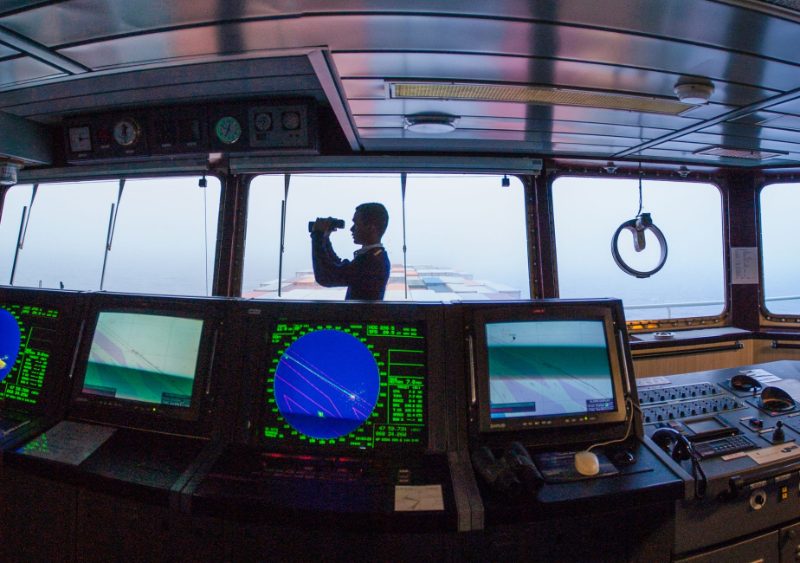
India has become the world’s second-largest supplier of seafarers, with 311,936 Indian maritime professionals now accounting for 12.16% of the global seafaring workforce, according to the BIMCO-ICS Seafarer Workforce Report 2026. The ranking places India behind only the Philippines and ahead of China, Russia, and Indonesia, cementing the country’s rise as a major global maritime labour hub.
The report, released jointly by the Baltic and International Maritime Council and the International Chamber of Shipping, credits maritime reforms under Prime Minister Narendra Modi’s government, along with initiatives led by Union Minister Sarbananda Sonowal at the Ministry of Ports, Shipping and Waterways, for India’s climb up the global seafarer supply rankings.
How Did India Rise to the World’s Second-Largest Seafarer Supplier?
India’s maritime workforce has grown dramatically over the past decade, moving from 5th position globally in 2015, when it held a 5.2% share of the world’s seafarers, to 2nd position in 2026. That climb has more than doubled India’s global contribution and established the country as a major maritime manpower hub. India now supplies 140,718 officers, representing 13.41% of the global officer pool, and 171,218 ratings, or 11.29% of the global ratings workforce, serving on merchant vessels worldwide.
What Does This Mean for Global Shipping and Trade?
The BIMCO-ICS report estimates global seafarer supply at 2.57 million against demand of 2.55 million, highlighting a persistent shortage of qualified maritime professionals, particularly at the officer level. With international seaborne trade depending on a reliable pipeline of trained crew, India’s growing share of the global workforce gives the country outsized influence over shipping labour markets, and strengthens its negotiating position in international maritime forums that set training, certification, and welfare standards for merchant sailors.
Market and Trade Reaction
Indian maritime training institutes and crewing agencies are likely to see continued demand growth as global shipowners increasingly recruit from India to fill officer and rating shortages. The report’s findings also reinforce India’s broader ambitions in the maritime and shipbuilding sector, where the government has been pushing to expand port capacity and domestic shipbuilding alongside the seafarer supply pipeline, positioning India as a more complete maritime services hub rather than purely a source of crew labour.
What Happens Next?
Industry observers expect India’s share of the global seafarer workforce to keep rising given the current shortfall in global officer supply, provided domestic maritime training capacity keeps pace with demand. The Ministry of Ports, Shipping and Waterways is expected to continue expanding training infrastructure and certification programmes to help Indian seafarers move further up the officer ranks, where the global shortage is most acute.
Frequently Asked Questions
What is India’s current rank among global seafarer suppliers?
India is now the world’s second-largest supplier of seafarers, with 311,936 professionals accounting for 12.16% of the global workforce, behind the Philippines and ahead of China, Russia, and Indonesia.
Who released the Seafarer Workforce Report 2026?
The report was released jointly by the Baltic and International Maritime Council (BIMCO) and the International Chamber of Shipping (ICS).
Is there a global shortage of seafarers?
Yes. The BIMCO-ICS report estimates global seafarer supply at 2.57 million against demand of 2.55 million, indicating a shortage of qualified maritime professionals, especially officers.








Leave a comment