

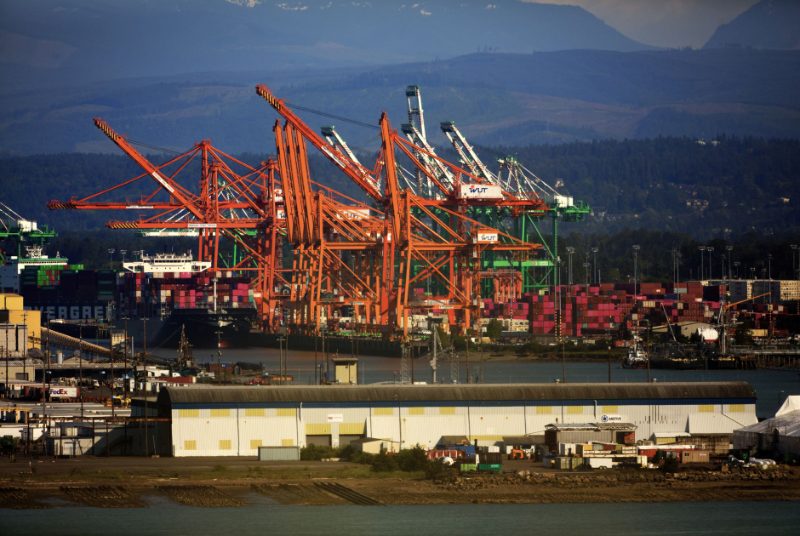
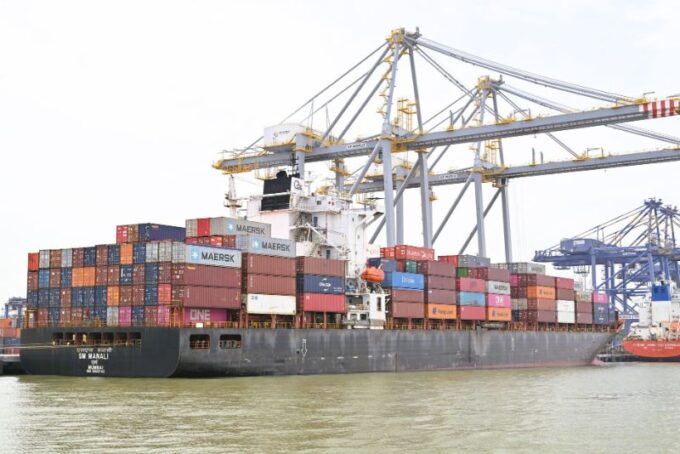
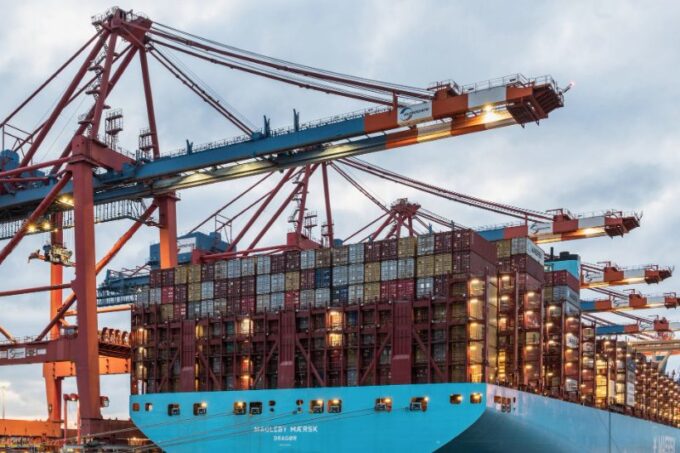
India container port traffic rose 8.42 percent in the April-December period of FY26, reaching nearly 11.01 million TEUs (twenty-foot equivalent units), according to sector data, as containerised trade continues to outpace coal, petroleum, oil and lubricants (POL), and iron ore cargo at the country’s major ports. The figures point to a structural shift in India’s port sector toward higher-value containerised goods even as bulk commodity traffic softens.
Industry trackers project container traffic to grow a further 7 to 9 percent in the coming period, with major ports outpacing non-major ports on volume growth. Coal traffic has declined, while POL and iron ore trends have diverged, reflecting broader shifts in India’s energy mix and industrial demand. Infrastructure upgrades are accompanying the volume growth: the V.O. Chidambaranar Port Authority has floated a global tender to redevelop Berth No. 7 at the Thoothukudi port into a modern container terminal capable of handling larger vessels.
What Is Driving India’s Container Traffic Growth?
Rising domestic consumption, greater adoption of containerised shipping for goods once moved as bulk cargo, and steady export demand are the primary drivers cited for the India container port traffic increase. Ports handling finished goods, electronics, and consumer products have seen the sharpest gains, while traditional bulk cargo ports tied to coal and iron ore have seen comparatively flat or declining volumes.
What Do Port Operators and Analysts Say?
Port authorities describe the current phase as a differentiated growth cycle, where container volumes are the strongest driver of overall port throughput. Analysts caution that the sector still faces headwinds including geopolitical tensions affecting global shipping routes, growing competition from private and regional ports, and policy uncertainty tied to evolving trade regulations.
Market and Trade Reaction
Port operator and logistics stocks have drawn investor interest on the back of the container growth data, with capital expenditure plans such as the Thoothukudi berth tender seen as evidence of continued infrastructure investment. Shipping lines calling on Indian ports have also signalled interest in expanding container capacity to match demand.
What Happens Next?
Port authorities are expected to finalise several berth modernisation tenders over the coming months, while the Ministry of Ports, Shipping and Waterways continues to track the diverging trends between container, coal, POL, and iron ore cargo. Full-year FY26 port traffic data will offer a clearer picture of whether the 8.42 percent growth rate holds through the final quarter.
Frequently Asked Questions
How much did India’s container port traffic grow in FY26?
India container port traffic grew 8.42 percent in the April-December period of FY26, reaching nearly 11.01 million TEUs.
Which cargo segments are declining?
Coal traffic has declined at major ports, while petroleum, oil and lubricants (POL) and iron ore trends have diverged, showing moderate or mixed movement.
What infrastructure upgrades are underway?
The V.O. Chidambaranar Port Authority has floated a global tender to redevelop Berth No. 7 at Thoothukudi into a modern container terminal for larger vessels.







Leave a comment