

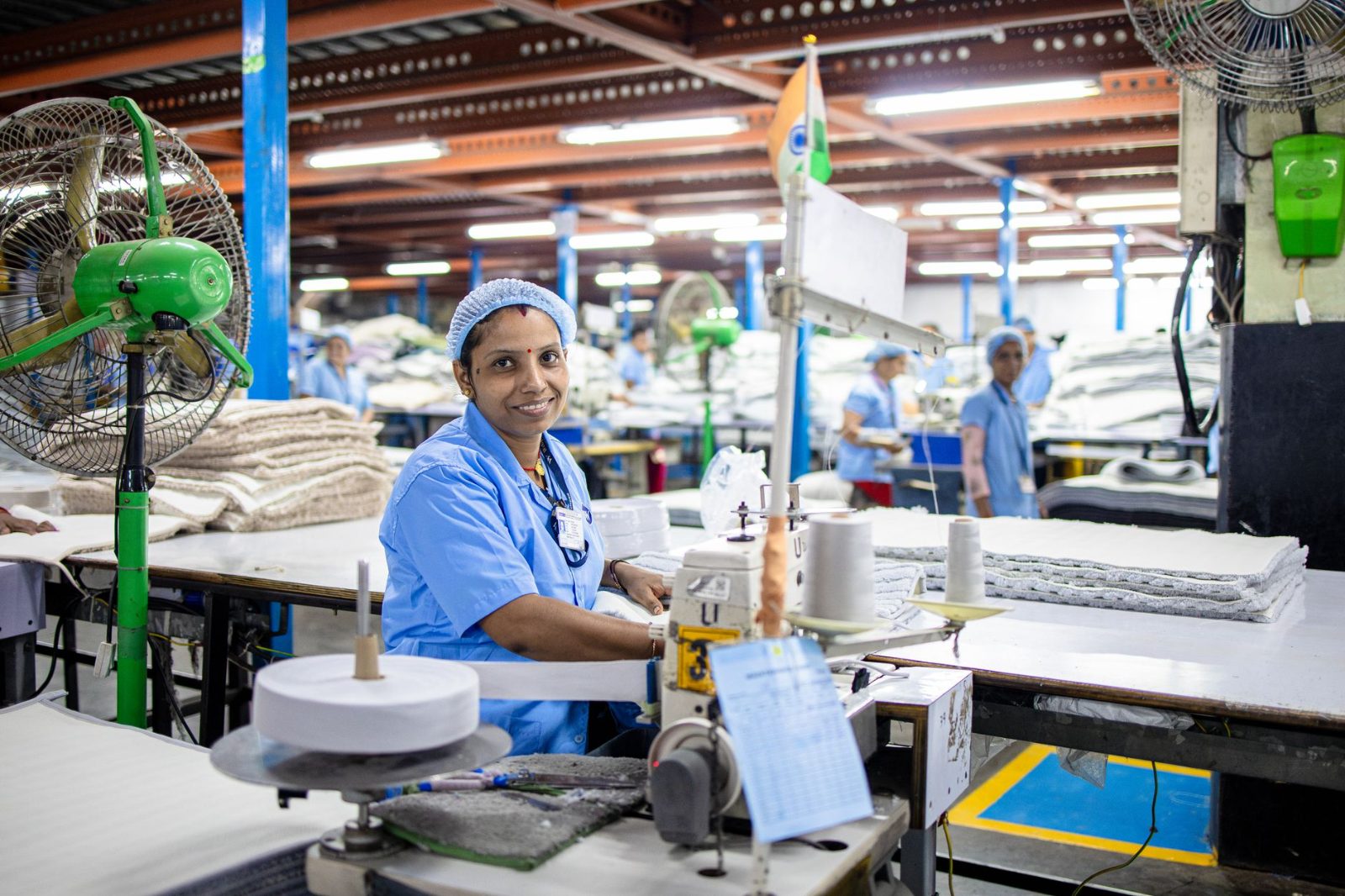
The India New Zealand FTA took effect on 20 October 2026, giving Indian goods, including textiles, apparel, leather and footwear, duty-free access to New Zealand. New Zealand has removed customs duties on all of its tariff lines, including peak tariffs of up to 10%, according to Fibre2Fashion’s report of 21 October 2026.
Commerce and Industry Minister Piyush Goyal and New Zealand’s Minister for Trade and Investment, Todd McClay, jointly announced the implementation at a virtual conference. Goyal flagged off the first export of a JCB machine from India to New Zealand at the launch event.
What Does the India New Zealand FTA Mean for Indian Textile Exporters?
Textile, clothing, leather and footwear exports previously faced New Zealand tariffs of up to 10%. Sampath Kumar, Additional Director General of Foreign Trade (DGFT), told ANI on 19 October that “100% of tariff lines are going to become zero from tomorrow onwards.” Kumar also said the trade surplus is going to increase further under the deal.
Which Other Sectors Benefit From the Agreement?
Fibre2Fashion lists gems and jewellery, engineering goods, automobiles and components, chemicals, pharmaceuticals, agricultural products and processed foods among the other beneficiaries. Kumar said tariffs of up to 5% on pharmaceuticals, agricultural and marine products, plastics, chemicals and electrical goods will also be eliminated.
How Big Is India-New Zealand Trade Today?
Bilateral merchandise trade reached USD 1.3 billion in 2024-25, a 49% increase over the previous year, according to the Ministry of Commerce and Industry, as cited by ANI. India’s merchandise exports to New Zealand were USD 711 million in that period. The agreement supports a roadmap to 2030 that aims to double bilateral goods and services trade to NZ$7 billion (about $3.99 billion).
Market Reaction and Industry Response
No stock-market reaction or textile trade-body statement on the agreement was found in the sources reviewed. Goyal said the deal would open opportunities for MSMEs, artisans, farmers and women entrepreneurs. McClay said New Zealand exporters gain access to India’s 1.4 billion consumers.
What Happens Next?
New Zealand committed to facilitating the registration of Indian Geographical Indications and to facilitating $20 billion of investment into India. India has offered liberalisation on about 70% of its tariff lines and is protecting sensitive sectors, including dairy and certain agricultural products. Negotiations began on 16 March 2025, concluded on 22 December 2025, and the agreement was signed on 27 April 2026.
Frequently Asked Questions
When did the India New Zealand FTA come into force?
The agreement took effect on 20 October 2026. New Zealand eliminated tariffs on all its tariff lines from the first day.
Are Indian textiles and apparel now duty-free in New Zealand?
Yes. Textiles, apparel, leather and footwear, which faced tariffs of up to 10%, now enter New Zealand duty-free under the agreement.
Does the agreement also cover services and visas?
Yes. New Zealand offered market access in about 118 sectors and Most-Favoured-Nation commitments in about 139 sub-sectors. The deal includes annual quotas of 5,000 Temporary Employment Entry visas and 1,000 Working Holiday visas for Indians.











Leave a comment