

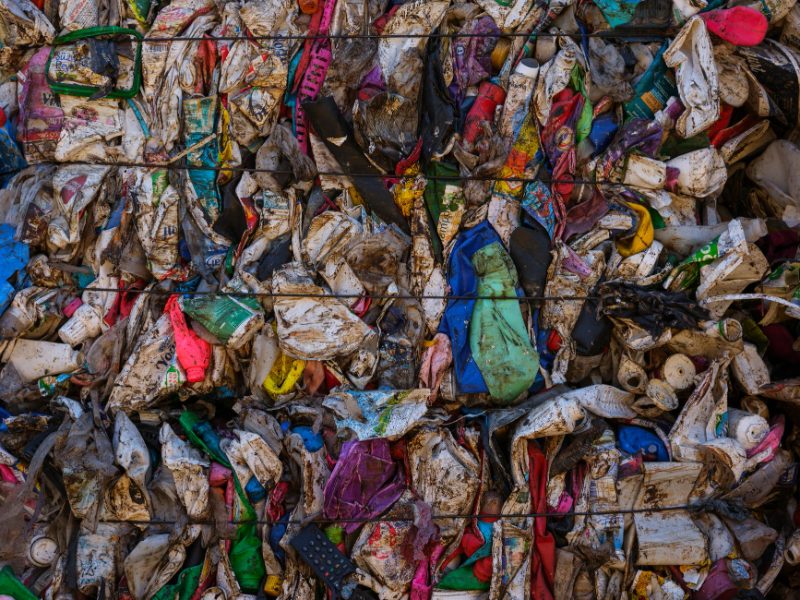
India’s Plastic Waste Regulation 2026 is fundamentally reshaping the packaging industry, imposing stricter Extended Producer Responsibility (EPR) obligations, recyclability-linked compliance targets, and new material design standards — compelling packaging manufacturers and brand owners to overhaul their product portfolios ahead of enforcement deadlines.
The India plastic waste regulation 2026 packaging impact is being felt across flexible packaging, rigid plastic containers, multilayer packaging, and single-use plastic alternatives, as companies race to ensure their packaging materials and recovery systems meet the evolving regulatory requirements or face compliance penalties that could disrupt supply chains.
What Does India’s Plastic Waste Regulation 2026 Require?
India’s Plastic Waste Regulation 2026, an evolution of the Plastic Waste Management Rules under the Environment (Protection) Act, introduces several key changes for the packaging sector. Producers, importers, and brand owners (PIBOs) must meet expanded EPR targets for plastic waste collection and recycling, with annual compliance certificates required. The regulation introduces recyclability evaluation criteria for packaging design — pushing brand owners toward mono-material structures over multilayer combinations that are harder to recycle. Single-use plastic categories face stricter penalties for non-compliance in 2026. A centralised EPR portal managed by the Central Pollution Control Board (CPCB) now tracks all plastic packaging placed in the market and its corresponding waste recovery, creating unprecedented traceability requirements.
How Are Packaging Companies Responding?
Packaging manufacturers and FMCG brand owners are adopting several strategies to comply with India’s plastic waste regulation 2026 packaging obligations. Material substitution — replacing multilayer and non-recyclable plastics with mono-material PE, PP, or paper-based alternatives — is the most common response. TCPL Packaging, one of India’s leading packaging companies, is focusing on strong domestic growth with a ₹100 crore capital expenditure for FY27 partly targeting sustainable packaging solutions. Pudumjee Paper’s planned 68,000 MT Mahad Specialty Paper Facility is a direct beneficiary of the shift toward paper-based packaging. Flexible packaging producers are investing in chemical recycling partnerships to meet EPR obligations for grades that are mechanically non-recyclable.
Market Reaction and Industry Response
Compliance pressure from India’s plastic waste regulation 2026 is felt unevenly across the packaging value chain. Large organised producers with dedicated sustainability teams and EPR compliance infrastructure are better positioned than informal manufacturers who lack systems to track, report, and fulfil collection targets. Industry associations including the Indian Flexible Packaging and Folding Carton Association (IFCA) have been in dialogue with the CPCB for clarity on recyclability definitions and transition timelines. Some multinational FMCG companies have welcomed the regulation as aligning India with global standards, while domestic mid-size manufacturers have called for a phased approach with capacity-building support.
What Happens Next?
Enforcement intensity of India’s plastic waste regulation 2026 is expected to increase through the second half of the year, with CPCB audits of EPR compliance certificates and penalties for shortfalls gaining focus. For packaging companies, next critical milestones include Q3 FY27 EPR target deadlines, the government’s recyclability criteria finalisation for specific packaging formats, and potential GST incentives being proposed for sustainable packaging materials. The medium-term outlook for paper-based packaging, mono-material flexible packaging, and chemical recycling infrastructure looks increasingly positive as regulatory tailwinds align with growing brand owner demand for compliance-ready solutions.
Frequently Asked Questions
What is India’s Plastic Waste Regulation 2026?
India’s Plastic Waste Regulation 2026 is an updated set of rules under the Plastic Waste Management framework that strengthens Extended Producer Responsibility (EPR) obligations, introduces recyclability-linked compliance targets for packaging, and requires brand owners and manufacturers to register, track, and report plastic packaging volumes and recovery performance on the CPCB’s EPR portal.
How does EPR work in India’s packaging sector?
EPR (Extended Producer Responsibility) in India requires producers, importers, and brand owners (PIBOs) to take financial and physical responsibility for collecting and recycling a set proportion of the plastic packaging they place in the market. Compliance is tracked on the CPCB’s centralised EPR portal, with annual certificates required and penalties for non-compliance.
What packaging materials are most affected by India’s Plastic Waste Regulation 2026?
The most affected materials are multilayer flexible packaging (hard to recycle mechanically), single-use plastics like straws and thin carry bags, and non-recyclable laminate pouches. Companies are increasingly shifting to mono-material PE/PP structures, paper-based alternatives, and compostable packaging to meet regulatory requirements.











Leave a comment