


India policy changes effective July 1, 2026 bring significant relief across multiple sectors, with a ₹183.50 reduction in the 19-kg commercial LPG cylinder price being the most impactful. These India rule changes July 2026 span LPG pricing, Aadhaar services, fuel purchase regulations, and defence procurement — affecting consumers, businesses, and government bodies nationwide.
These changes were implemented simultaneously by multiple ministries and regulatory bodies, including the Ministry of Petroleum and Natural Gas, the Unique Identification Authority of India (UIDAI), and the Ministry of Defence, all effective from July 1, 2026.
What Are the Key India Rule Changes Effective July 2026?
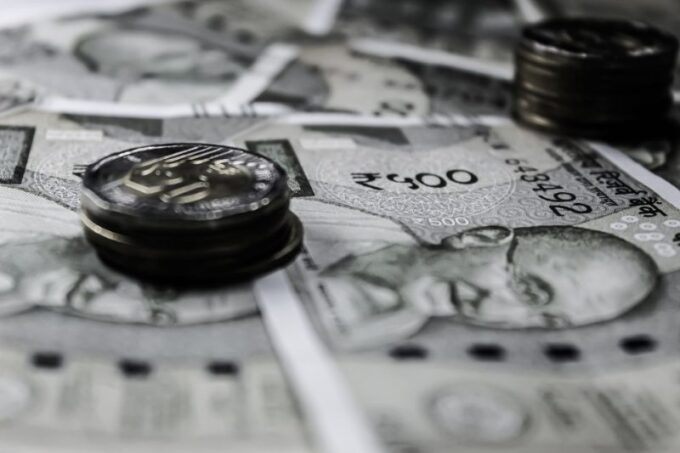
The India policy changes from July 1, 2026 include four major areas: (1) The 19-kg commercial LPG cylinder price has been cut by ₹183.50, dropping from ₹3,113.50 to approximately ₹2,930 — a 5.9% reduction. (2) The temporary fuel purchase limit at public sector oil marketing company petrol pumps, introduced during West Asian geopolitical tensions to prevent hoarding, has been fully withdrawn. (3) Aadhaar card holders can now update their registered email address free of charge through the official Aadhaar app — the earlier ₹75 fee has been scrapped for this specific service. (4) The Ministry of Defence notified the Delegation of Financial Powers to DRDO 2026 (DFP-2026) to accelerate approvals for defence research and development projects.
How Does the LPG Price Cut Affect India’s Commercial Sector?
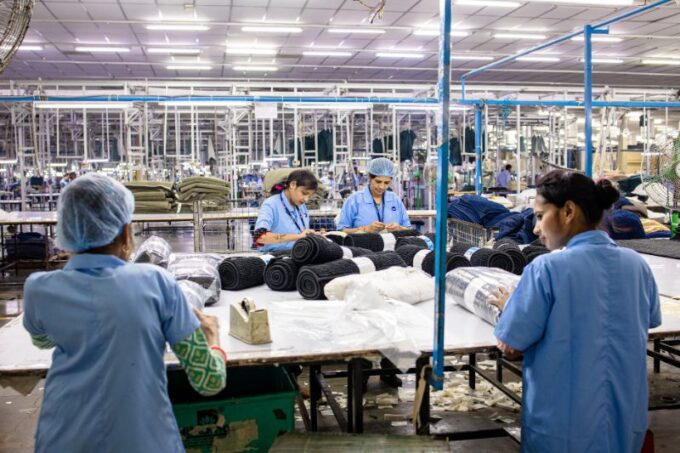
The ₹183.50 reduction in the 19-kg commercial LPG cylinder price directly benefits an estimated 80 lakh commercial consumers — hotels, restaurants, dhabas, canteens, and small manufacturing units that depend on commercial gas for daily operations. The revised price of approximately ₹2,930 per cylinder represents the second major LPG price revision in 2026. Industry bodies including the National Restaurant Association of India (NRAI) have estimated that the cut reduces operating costs for food service establishments by 3–4% on average, providing meaningful relief to small food businesses struggling with post-inflation cost pressures.
Market and Trade Reaction
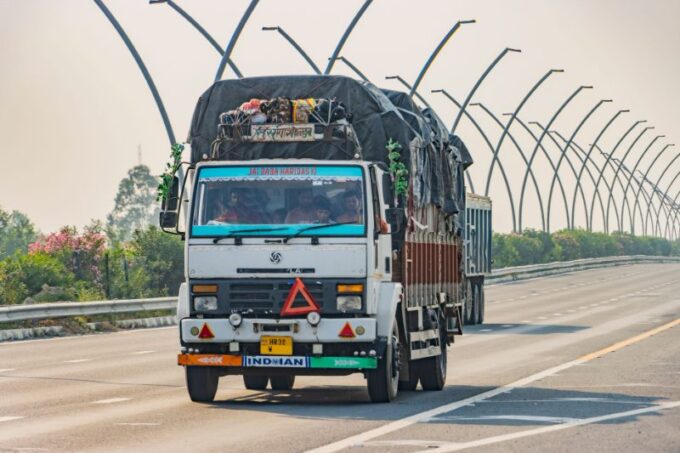
The withdrawal of the fuel purchase cap at petrol pumps normalised supply logistics for transporters and fleet operators within days. Fuel retail companies reported demand patterns returning to pre-restriction levels immediately after July 1. On the financial front, markets responded positively to the India policy changes July 2026: the BSE Energy and FMCG indices gained 0.8–1.2% in the first week of July. The free Aadhaar email update facility is expected to benefit millions of Aadhaar holders, reducing friction in digital identity management. The DFP-2026 framework for DRDO is anticipated to speed up approximately 120 pending defence R&D project approvals.
What Happens Next?
The DRDO DFP-2026 framework will undergo an implementation review in October 2026. Free Aadhaar email updates through the mobile app are ongoing with no end date specified by UIDAI. Domestic LPG cylinder prices for households will next be reviewed in August 2026 — industry analysts expect a possible ₹50–₹100 reduction if crude oil prices remain stable. Income tax return (ITR) filing for FY 2025-26 continues under the July 31, 2026 deadline, another key India policy change affecting millions of taxpayers this month.
Frequently Asked Questions
By how much has the commercial LPG price been cut in July 2026?
The 19-kg commercial LPG cylinder price was reduced by ₹183.50 on July 1, 2026, bringing the price down from ₹3,113.50 to approximately ₹2,930. This change affects commercial users; the domestic 14.2-kg household cylinder price was not revised in this round.
How can Aadhaar holders update their email address for free from July 2026?
From July 1, 2026, Aadhaar holders can update their registered email address at no cost using the official Aadhaar mobile app. The earlier ₹75 fee has been waived. This free update facility is available only through the app — not at Aadhaar enrolment centres or on the UIDAI website.
Why was the fuel purchase limit at petrol pumps removed in July 2026?
The temporary fuel purchase cap at public sector petrol pumps was originally introduced to prevent hoarding during heightened geopolitical tensions in West Asia, which had caused supply uncertainty. With the situation having stabilised, the Ministry of Petroleum and Natural Gas withdrew the restriction from July 1, 2026, restoring normal purchase volumes for all consumers.








Leave a comment