

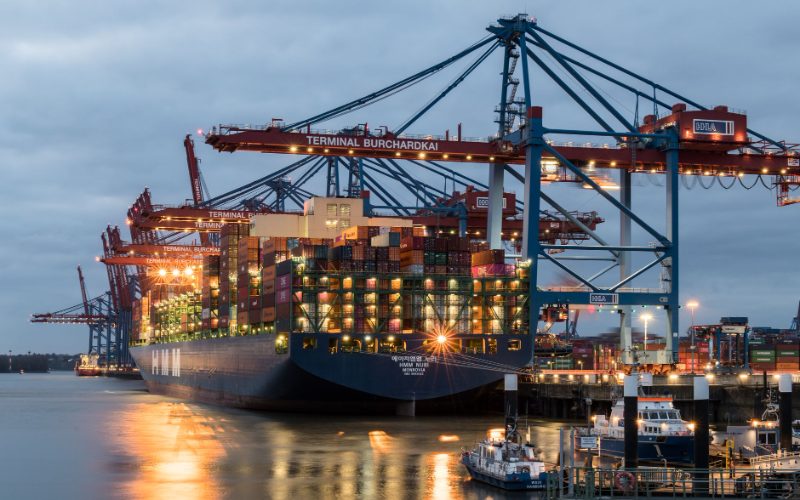
India is among 15 economies that signed a joint ministerial statement on October 7, 2026, pledging to work together on structural excess capacity in key manufacturing sectors. The global excess capacity statement was announced by the US Trade Representative (USTR) and calls on all countries to end non-market policies and practices that distort markets and sustain overproduction.
The signatories listed by USTR are Argentina, Australia, Canada, the European Union, France, Germany, India, Italy, Japan, the Republic of Korea, Mexico, Poland, Türkiye, the United Kingdom and the United States. The release headline refers to “fourteen economies” joining the US, though the list contains fifteen entries including the US.
What Does the Global Excess Capacity Statement Commit Countries To?
According to the USTR release, signatories resolved to work together in new, dedicated sectoral platforms to examine and take action on structural excess capacity and production. The release does not name the specific sectors, set timelines, or describe enforcement mechanisms. It also contains no capacity, production or trade figures. The statement announces no tariffs and names no individual countries.
USTR Ambassador Jamieson Greer said that, left unchecked, these issues “will continue to cripple domestic industries” and that the Trump Administration will continue to engage with trading partners. Reports said the statement followed discussions at the G20 trade ministers’ meeting in Milwaukee and was signed on the sidelines of the OECD Trade Committee.
Why Does It Matter for India and Indian Industry?
India is also one of the economies covered by a separate US Section 301 investigation on structural excess capacity, which was launched in March, according to a brokerage report. That probe is distinct from the October 7 statement. Industry-watchers have flagged sectors such as automobiles, electric vehicles, batteries, chemicals, foundational semiconductors and solar panels in the wider overcapacity debate, but the USTR statement itself does not list sectors.
Commerce and Industry Minister Piyush Goyal has previously said India has no structural overcapacity in these sectors and that its capacity serves both domestic and global demand, according to a policy-analysis summary. No fresh comment from Goyal or the commerce ministry on the October 7 statement was found at the time of writing.
Market and Trade Reaction
No market or sector-level reaction, and no comment from Indian trade bodies, was found in the reports reviewed. The text of the statement is available as a PDF on the USTR website, and the sectoral platforms have yet to be defined.
What Happens Next?
The next steps are the creation of the sectoral platforms. Policy summaries said participants committed to meet before December 2026 to draft terms of reference and identify data gaps, though this is not stated in the USTR release itself. Exporters in chemicals, steel, autos and clean-energy equipment should monitor how the platforms are scoped and how they interact with the Section 301 probe.
Frequently Asked Questions
Which countries signed the excess capacity joint statement?
The signatories are Argentina, Australia, Canada, the EU, France, Germany, India, Italy, Japan, South Korea, Mexico, Poland, Türkiye, the UK and the US.
Does the statement impose tariffs on India?
No. The statement announces no tariffs and names no countries. It commits signatories to form sectoral platforms to address structural excess capacity.
Is this the same as the US Section 301 investigation?
No. The Section 301 investigation on excess capacity was launched separately in March, though India is covered by it, according to one report.
Source: USTR press release (October 7, 2026); Angel One report (October 8, 2026).










Leave a comment