

The India-UK Comprehensive Economic and Trade Agreement (CETA) entered into force on July 15, 2026, cutting tariffs on thousands of goods and opening wider market access for services on both sides. Ninety-nine percent of Indian exports can now enter the UK duty-free, marking one of India’s most significant trade agreements to date.
Under CETA, tariffs of up to 70% on processed food, up to 21.5% on marine products, up to 18% on engineering goods and auto components, up to 16% on leather and footwear, up to 12% on textiles and clothing, and up to 8% on chemicals and pharmaceuticals have been cut to zero. The UK, in turn, immediately scrapped duties on 96.8% of tariff lines, covering 97.7% of bilateral trade value, and cut the import duty on Scotch whisky from 150% to 75%.
How Will CETA Affect Indian Exporters?
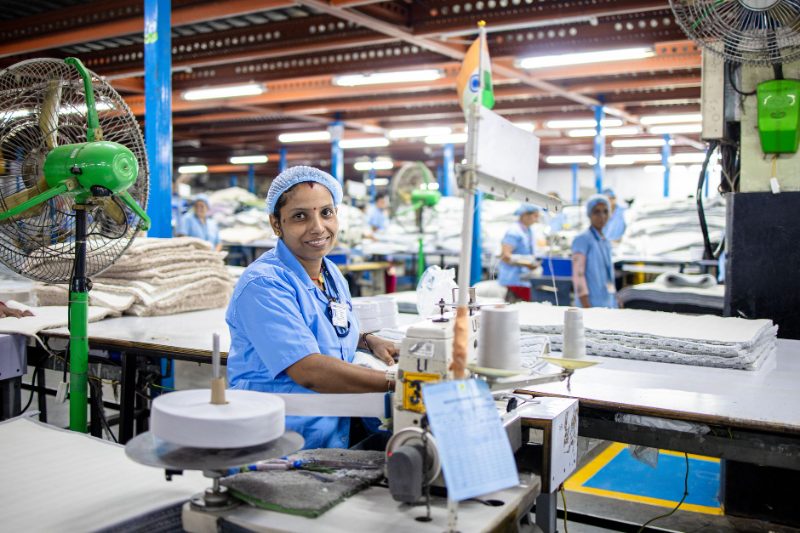
Labour-intensive sectors stand to gain the most: a Global Trade Research Initiative analysis estimates the real gain from CETA is concentrated in roughly $6 billion, or 44% of Indian exports, that previously faced UK tariffs of 4-16%. The agreement is projected to double India’s textile market share in the UK from 6.6% to 12% within three to five years, while marine, leather, and engineering goods exporters gain immediate duty-free access.
What Do Trade Bodies Say?
Industry groups across textiles, apparel, and engineering goods have called CETA a structural win, noting the agreement’s 30 chapters cover goods, services, digital trade, government procurement, intellectual property, and MSMEs. Indian workers temporarily posted to the UK will also be exempt from UK National Insurance contributions for five years, a provision businesses say lowers the cost of cross-border service delivery.
Market and Trade Reaction
UK consumers are expected to see lower prices on Indian-origin goods, while Indian consumers benefit from cheaper imports of UK automobiles, Scotch whisky, salmon, lamb, chocolate, and cosmetics following reciprocal tariff cuts. Exporters in India’s textile and marine products belts have flagged early interest from UK buyers seeking to lock in duty-free contracts.
What Happens Next?
With CETA now in force, both governments will monitor implementation through a bilateral oversight mechanism, and businesses are expected to ramp up shipments to capture first-mover tariff savings. Analysts will track actual trade volume shifts over the coming quarters to assess whether the projected export gains materialise.
Frequently Asked Questions
When did the India-UK CETA come into effect?
CETA entered into force on July 15, 2026.
What percentage of Indian exports now enter the UK duty-free?
Ninety-nine percent of Indian exports to the UK are now duty-free under CETA.
Which Indian sectors benefit most from CETA?
Textiles, apparel, leather, footwear, marine products, and engineering goods are expected to see the largest gains, with textiles projected to nearly double their UK market share.











Leave a comment