


The first phase of the India-US Bilateral Trade Agreement remains parked at what negotiators describe as the “last 1%” of legal text, with no signed pact and no published document, even as the interim US tariff arrangement that had offered temporary relief expired on July 24, 2026. India said on July 25 that it would continue engaging with Washington to conclude the agreement after the United States imposed a 10% tariff on Indian imports under its broader Section 301 forced-labour action.
The bilateral trade agreement has been under negotiation for several months, with both sides previously reporting a three-phase structure aimed at first locking in tariff relief and market access commitments before moving to deeper chapters on services, digital trade and investment.
Why Is the India-US Trade Deal Taking So Long to Finalise?
Negotiators on both sides have described the remaining gap as narrow but consequential, involving legal language on dispute resolution, tariff-rate quota administration and safeguard provisions rather than fresh substantive disagreements. India’s negotiating posture has consistently prioritised durable terms and competitive market access for Indian exporters over signing quickly to beat the tariff deadline calendar, a strategy that has meant Indian goods remained exposed to the 10% Section 301 duty once the interim arrangement lapsed on July 24.
What Do Trade Officials and Exporters Say?
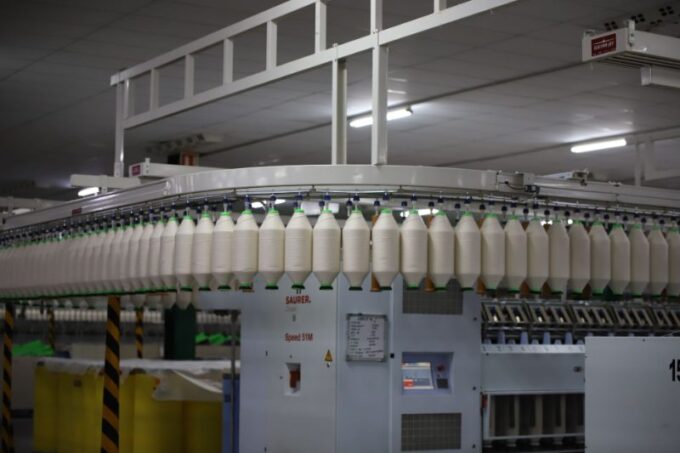
India’s Commerce Ministry has reiterated that it remains engaged with US counterparts and expects a resolution, though officials have avoided committing to a specific signing date after previous informal deadlines slipped through the first half of 2026. Exporter bodies in textiles, gems and jewellery, and engineering goods, sectors most exposed to the 10% tariff, have pressed for an expedited resolution, warning that continued uncertainty is affecting order commitments from US buyers ahead of the year-end shipping season.
Market and Trade Reaction
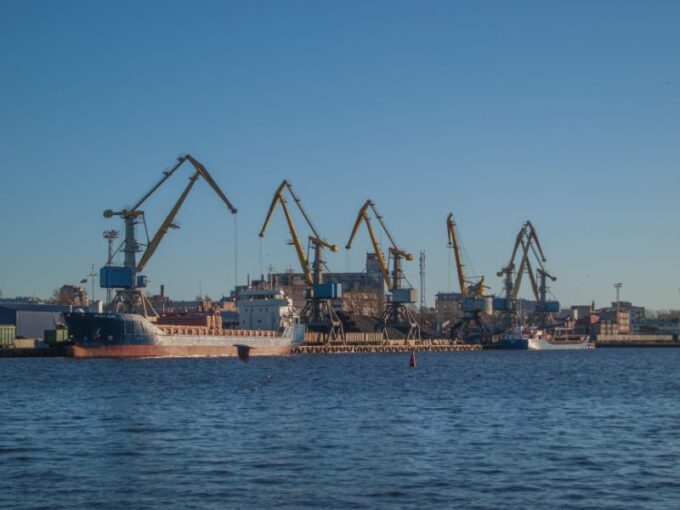
The rupee and export-oriented equities showed measured reactions to the interim tariff’s expiry, with markets having largely priced in the delay given the drawn-out nature of the talks. Logistics and freight-forwarding firms reported some front-loading of shipments ahead of the July 24 deadline, followed by a pause as exporters await clarity on whether a signed bilateral deal will later refund or offset tariffs paid during the gap period.
What Happens Next?
Both governments are expected to continue technical-level talks on the outstanding legal text, with officials on both sides signalling that a resolution is close rather than stalled. Any signed agreement would need to specify whether the 10% Section 301 tariff is superseded or adjusted for India specifically, a detail exporters are watching closely as the key determinant of near-term cost competitiveness in the US market.
Frequently Asked Questions
What is the current status of the India-US trade deal?
As of late July 2026, the first phase of the India-US Bilateral Trade Agreement remains at the “last 1%” of legal text, with no signed pact yet published, even after the interim tariff arrangement expired on July 24, 2026.
What tariff are Indian exports facing without a signed deal?
Indian goods currently face a 10% tariff under the broader US Section 301 forced-labour tariff action after the temporary interim arrangement lapsed.
Is India still negotiating with the US on trade?
Yes, India’s Commerce Ministry confirmed on July 25, 2026, that it will continue engaging with Washington to conclude the bilateral trade agreement despite the tariff deadline passing.









Leave a comment