

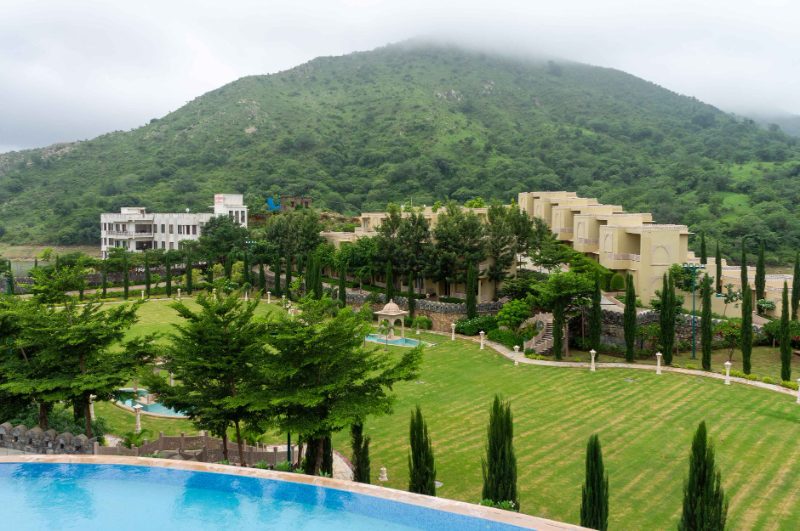
India’s hotel sector is entering its most significant growth phase in decades, with listed hotel operators planning to add more than 70,000 rooms by 2030 as record domestic tourism, robust corporate travel and a booming MICE segment push revenue per available room (RevPAR) to new highs across major Indian markets in 2026.
According to the EHL Hospitality Outlook Report 2026 and analysis by Skift, India’s hospitality industry — projected to reach $31 billion by 2029 from $24.6 billion in 2024 — is benefiting from one of the world’s strongest domestic tourism markets, improving airport and road infrastructure that is unlocking tier-2 and tier-3 destinations, and a globally competitive cost structure that is attracting international MICE and leisure events.
What Is Driving India’s Hotel Industry Growth in 2026?
Four demand drivers are simultaneously accelerating India’s hotel expansion. Domestic leisure travel — driven by aspirational middle-class Indians and the normalisation of frequent short breaks — is filling hotel rooms in hill stations, heritage cities and coastal destinations that were previously underserved. Corporate travel has returned strongly as India’s IT, pharma and BFSI sectors resume full business development activity. Wedding tourism — India’s uniquely large celebration economy — continues to book out luxury properties months in advance, with top venues sold out through 2026-27. And MICE demand from international conventions choosing India as a cost-competitive, infrastructure-improved destination is adding high-value room nights across major cities. Hotel room rates are expected to rise 4-6% across major markets in 2026 as demand outpaces new supply additions.
Which Indian Hotel Markets Are Growing Fastest in 2026?
South Indian markets — Bengaluru, Hyderabad and Chennai — are posting the strongest RevPAR growth in India in 2026, driven by IT sector corporate travel and an expanding convention calendar. Goa continues to lead leisure RevPAR. Tier-2 cities including Indore, Coimbatore, Kochi and Ahmedabad are the fastest-growing markets by new supply absorption, as improved air connectivity makes them viable destinations for both leisure and business travellers. Major hotel chains including IHCL (Taj), Marriott, Accor and Hyatt are competing aggressively for management contracts in these emerging markets, recognising that tier-2 demand growth is running ahead of supply in the 2024-2027 window.
Industry Reaction and Expert Commentary
EHL’s Hospitality Outlook 2026 report cautions that India’s hotel growth story is not without risk: long-term success will depend not simply on expanding room inventory, but on developing skilled talent, adapting to regional markets and consistently delivering authentic experiences that India’s new generation of travellers increasingly expects. Labour availability and training quality remain the industry’s most cited operational challenges, even as capital for new hotel development is abundant and demand remains robust. The Indian government’s infrastructure investment programme — new airports, highways and convention centres — and Incredible India marketing campaigns are credited with boosting both domestic and international hotel demand, particularly in tier-2 markets.
What Happens Next?
The next 18 months will see acceleration of budget and mid-scale hotel openings in tier-2 markets as chains compete for position in India’s fastest-growing micro-markets. Luxury hoteliers will focus on experience differentiation — wellness retreats, culinary tourism and heritage stays — to justify premium pricing as supply expands. The 70,000-room target by 2030 will require sustained capital investment, skilled workforce development and continued infrastructure support. India’s hospitality market is expected to reach $31 billion by 2029, establishing the country as Asia’s most dynamic hotel growth story of the decade.
Frequently Asked Questions
How many new hotel rooms will India add by 2030?
India’s listed hotel operators plan to add more than 70,000 new rooms by 2030, according to Skift’s 2026 hospitality analysis. This expansion is driven by strong domestic and international demand across leisure, corporate and MICE segments, with tier-2 cities seeing the fastest supply absorption rates.
What is India’s hospitality market size in 2026?
India’s hotel and hospitality industry is valued at approximately $24.6 billion in 2024 and projected to reach $31 billion by 2029. The sector is among the world’s fastest-growing, supported by domestic tourism growth, infrastructure investment and rising MICE demand from both Indian and international event organisers.
Which cities have the highest hotel RevPAR growth in India in 2026?
Bengaluru, Hyderabad and Chennai are posting the strongest RevPAR growth in India in 2026, driven by IT corporate travel and expanding MICE calendars. Goa leads leisure RevPAR, while tier-2 cities like Indore, Coimbatore and Kochi are the fastest-growing markets by new hotel supply absorption as improved air connectivity drives fresh demand.













Leave a comment