

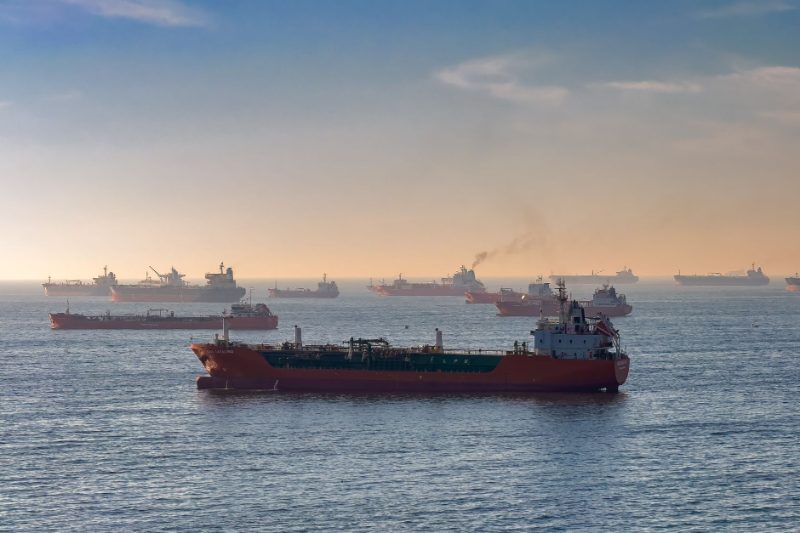
A fragile truce in the Middle East is failing to resolve the structural stalemate over the Strait of Hormuz, keeping energy-driven inflation risks elevated heading into the third quarter of 2026. The Strait of Hormuz energy risk remains a key concern for India, which imports roughly 85% of its crude oil needs and has already seen goods exports dip nearly 7% in March 2026 amid shipping and energy disruption tied to the conflict.
Geopolitical risk analysts describe the current standoff as structural rather than transient, rooted in the broader dynamics of Mideast geopolitics rather than a single flashpoint that can be quickly resolved. Roughly a fifth of global oil and a significant share of liquefied natural gas trade passes through the strait, meaning even partial disruption threatens to push energy costs higher across import-dependent economies including India.
How Does the Strait of Hormuz Tension Affect India’s Economy?
The RBI’s Monetary Policy Committee explicitly flagged persistently elevated energy prices linked to the West Asia conflict as an upside risk to its 4.6% inflation projection for FY 2026-27 in its latest policy statement. A sustained rise in crude prices would widen India’s already-elevated trade deficit, which hit an estimated $119 billion gap in FY26 as imports outpaced export growth, and could pressure the rupee if the standoff escalates further.
What Do Analysts and Global Institutions Say?
Geopolitical risk consultancies note that shifting US trade policy, persistent energy-driven inflation, and escalating regional pressures spanning Europe to Africa will collectively shape global risk through the third quarter of 2026. World Economic Forum analysts describe the emerging global order as increasingly “polycentric,” with power dispersed across multiple centers rather than concentrated around a single dominant power, a shift that complicates coordinated responses to regional flashpoints like the Hormuz standoff.
Market and Trade Reaction
Crude oil benchmark prices have remained elevated on the persistent risk premium associated with the Strait of Hormuz standoff, feeding directly into India’s import bill and current account calculations. Indian oil marketing companies and energy-import-dependent sectors have flagged the sustained price pressure as a margin risk heading into the second half of the fiscal year.
What Happens Next?
Analysts expect the situation to remain a slow-burning risk rather than an acute shock through Q3 2026, with markets watching for any escalation around the Iran war memorandum of understanding that is being tested through the coming weeks. India’s policymakers are likely to continue monitoring crude prices closely ahead of the RBI’s next MPC meeting in early August 2026.
Frequently Asked Questions
Why is the Strait of Hormuz important for India?
India imports roughly 85% of its crude oil, and a significant share of that supply transits the Strait of Hormuz, making disruptions there a direct risk to India’s energy costs and trade deficit.
How has the Hormuz standoff affected India’s inflation outlook?
The RBI has explicitly cited elevated energy prices linked to the West Asia conflict as an upside risk to its 4.6% CPI inflation projection for FY 2026-27.
Is the Strait of Hormuz tension expected to ease soon?
Geopolitical analysts describe the stalemate as structural, rooted in long-term Mideast dynamics, and expect it to remain a persistent rather than short-term risk through at least Q3 2026.











Leave a comment