

The Kerala Cabinet has cleared five governance reforms designed to plug revenue leakages, cut project delays, and modernise how the state tracks its assets and capital projects. The reforms were approved at a Cabinet meeting on 29 July 2026 and centre on new digital platforms rather than legislative changes, meaning implementation can begin without waiting for assembly approval.
Chief Minister V D Satheesan said the reforms would create a comprehensive digital infrastructure to improve governance and monitor government projects across departments including Finance, Law, Taxes, Industries, Revenue, and Local Self-Government.
What Are Kerala’s Five New Governance Reforms?
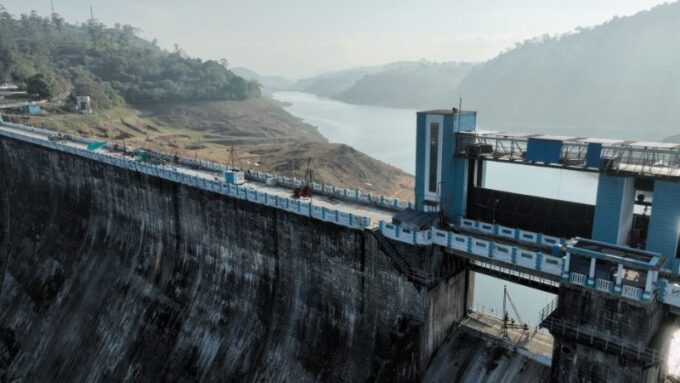
The centrepiece is SAMPATH, a Special Asset Management Platform for Administration, Tracking and Harmonisation, which will maintain a centralised digital record of all government-owned assets, including land, buildings, heritage structures, roads, dams, bridges, vehicles, and machinery. Alongside it, PlanSpace 2.0, a GIS-enabled project registry, will digitally track capital projects undertaken by various departments in real time. A third reform mandates process re-engineering to eliminate unnecessary verification stages and paper-based documentation in departments handling Finance, Law, Taxes, Industries, and Revenue. The Cabinet has also approved an Empowered Committee of Secretaries to oversee priority projects and improve coordination, alongside a fifth measure targeting financial leakage prevention.
Why Are These Reforms Significant for Kerala’s Finances?
Kerala has faced persistent criticism over project delays and revenue leakages linked to poor asset tracking and duplicated paperwork across departments. State finance officials argue that digitising asset records through SAMPATH alone could help recover significant untapped revenue from unused or encroached government land, while PlanSpace 2.0 is expected to shorten the lag between project sanction and completion by giving planners a live view of capital works across the state.
Market and Trade Reaction
Construction and infrastructure contractors operating in Kerala have generally welcomed the GIS-enabled project registry, saying real-time tracking could reduce disputes over project timelines and payment delays. Industry bodies in the state have also flagged that reduced paperwork under the process re-engineering reform could shorten approval timelines for new industrial units, a long-standing complaint from investors comparing Kerala with neighbouring states.
What Happens Next?
The Empowered Committee of Secretaries is expected to be constituted first, followed by the phased rollout of SAMPATH and PlanSpace 2.0 across pilot departments before a statewide expansion. The state government has not yet announced a fixed timeline for full implementation, but officials say the digital platforms are being built on existing e-governance infrastructure to allow a faster rollout than a ground-up system would require.
Frequently Asked Questions
What is SAMPATH under Kerala’s new governance reforms?
SAMPATH is a centralised digital platform to track all Kerala government-owned assets, including land, buildings, roads, dams, and vehicles, to prevent losses from poor record-keeping.
When were Kerala’s five governance reforms approved?
The Kerala Cabinet approved the five reforms at a meeting on 29 July 2026, led by Chief Minister V D Satheesan.
What is PlanSpace 2.0?
PlanSpace 2.0 is a GIS-enabled project registry that will let the Kerala government digitally track capital projects across departments in real time.













Leave a comment