

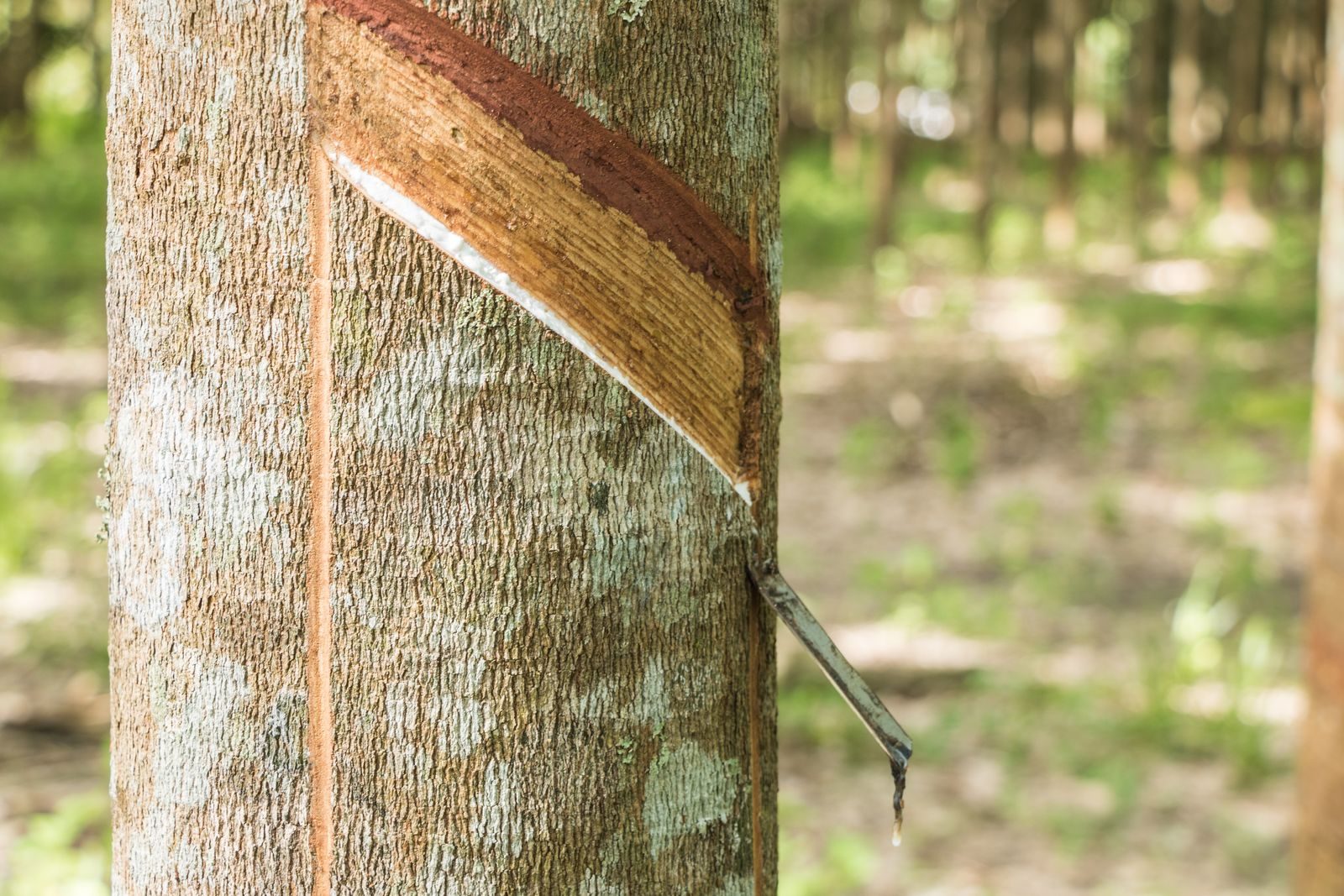
Meghalaya rubber plantation area has crossed 42,500 hectares, supporting about 25,000 growers, according to the latest figures released by the Rubber Board. The provisional data, as of 12 November 2026, put the state’s total rubber area at 42,593.97 hectares, Northeast News reported on 19 November 2026.
The Garo Hills region accounts for 33,815.35 hectares, or nearly 80% of the state total, with 48,437 holdings and about 24,000 growers. Meghalaya produces 11,967.21 metric tonnes of natural rubber, of which 10,954.69 tonnes come from the Garo Hills.
How Productive Is Meghalaya’s Rubber Sector?
The state’s mature, tappable area is 11,615.51 hectares, including 10,678.75 hectares in the Garo Hills. Productivity is about 1,030 kg per hectare statewide and 1,026 kg per hectare in the Garo Hills. The Garo Hills rubber sector is estimated to support an economy worth about Rs 180 crore.
Processing is still limited. Meghalaya has 57 Rubber Producers’ Societies (48 of them in the Garo Hills), two Group Processing Centres, and no rubber wood processing unit. M/s MMCS at Mendipathar produces 77.47 metric tonnes of concentrated latex.
Why Does Northeast Rubber Matter for Indian Industry?
India faces an annual natural rubber shortfall of about five lakh tonnes, and the Northeast contributes under 5% of national output, according to the report. The region has about 4.5 lakh hectares suitable for rubber, roughly 50,000 of them in Meghalaya, as per the National Bureau of Soil Survey and Land Use Planning. The Rubber Board estimates that another 30,000 to 40,000 hectares in the Garo Hills could be brought under rubber, often by converting areca nut and cashew gardens.
Rubber Board Seeks Minimum Support Price of Rs 200/kg
The Rubber Board has called for stronger government action to build a fuller rubber ecosystem in Meghalaya. Its recommendations include:
- State financial support for plantation development, latex harvesting and primary processing
- A minimum support price of at least Rs 200 per kg for natural rubber
- A Meghalaya Rubber Mission, rubber parks and specialised markets
- Stronger action against illegal trading and GST leakage
Existing support includes Rs 50,000 per hectare in planting assistance under an Expenditure Finance Committee scheme (up to five hectares), and free planting material at 480 plants per hectare under the INROAD project (up to five hectares).
Market Reaction and Industry Response
No response from tyre makers, rubber goods manufacturers or the Meghalaya government to the Rubber Board’s recommendations was found.
What Happens Next?
The recommendations are aimed at the state government. Any decision on a minimum support price or a Meghalaya Rubber Mission would rest with it. No timeline has been announced.
Frequently Asked Questions
How much land is under rubber in Meghalaya?
42,593.97 hectares as of 12 November 2026 (provisional), per Rubber Board figures.
How much natural rubber does Meghalaya produce?
About 11,967.21 metric tonnes, with 10,954.69 tonnes from the Garo Hills.
What minimum price has the Rubber Board sought for Meghalaya?
At least Rs 200 per kg for natural rubber.
Source: Northeast News, 19 November 2026, citing Rubber Board figures.





Leave a comment