

Infrastructure durability is becoming a national priority, and coatings manufacturers are increasingly focusing on concrete substrate improvement as a key factor in long-term protective coating performance. The use of fly ash and silica fume as eco-efficient concrete additives is gaining attention as these materials improve concrete strength and reduce coating failure risk.
Coating performance on infrastructure surfaces depends heavily on the quality of the substrate. Poor concrete quality leads to cracking, moisture ingress, and surface breakdown, which ultimately causes coating delamination and corrosion of reinforcement steel.
Fly ash and silica fume enhance concrete density and reduce permeability. This results in stronger, longer-lasting structures that require fewer repairs. From a coatings perspective, improved concrete quality provides a stable surface for protective coatings, extending repaint cycles and lowering lifecycle maintenance costs.
In India, where large-scale infrastructure projects such as bridges, highways, metro corridors, and coastal development are expanding rapidly, durability becomes essential. Protective coatings alone cannot guarantee longevity if the concrete itself is weak or porous.
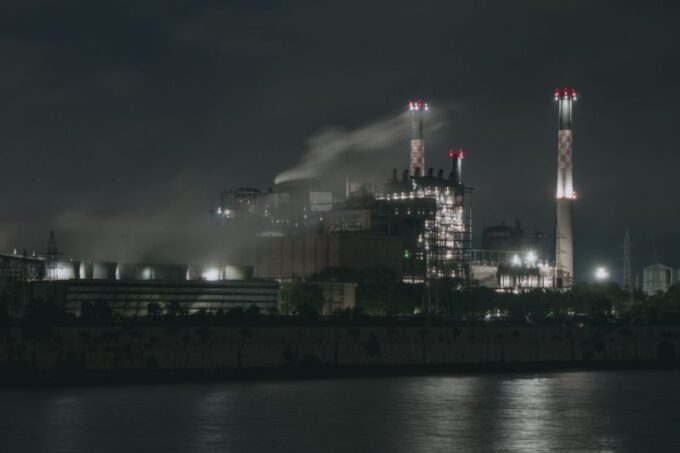
The integration of eco-efficient concrete additives also supports sustainability goals. Fly ash, a by-product of thermal power generation, reduces cement consumption and lowers carbon footprint in construction. Silica fume improves strength and reduces the need for high cement content.
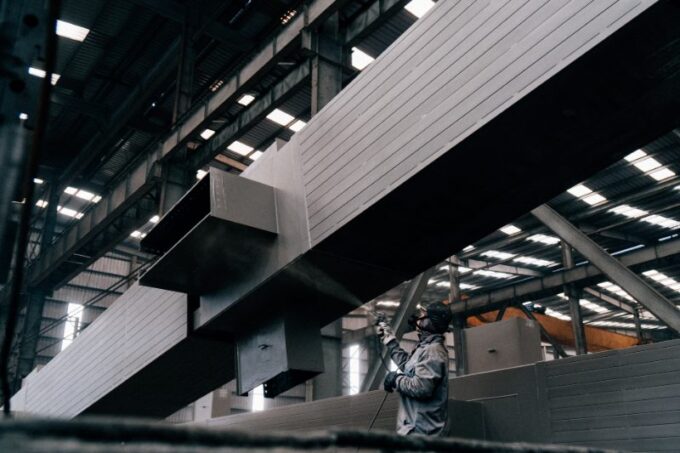
For the coatings industry, this trend signals a stronger collaboration between construction materials and protective coating technology. Future infrastructure protection strategies will likely focus on combined systems: improved concrete design, advanced primers, and long-life protective coatings.









Leave a comment