

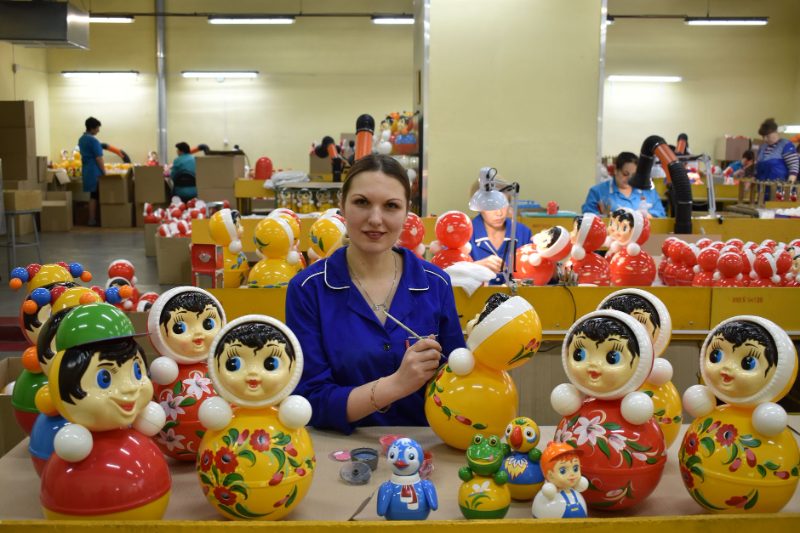
Union Commerce and Industry Minister Piyush Goyal announced the formation of a dedicated task force to strengthen India’s toy manufacturing sector on July 28, 2026, setting a target of capturing 5% of the global toy market by 2032. The announcement came at a stakeholder meet titled “Team Up for Toys: Driving SCALE, Innovation and Exports,” organised by the Department for Promotion of Industry and Internal Trade at Vanijya Bhawan in New Delhi.
The task force brings together toy manufacturers, exporters, industry associations and DPIIT officials to identify bottlenecks in production scale, design innovation and export competitiveness. It builds on the government’s earlier toy sector push, which included quality control orders and import restrictions aimed at curbing low-quality toy imports since 2020.
How Will the Toy Sector Task Force Help Manufacturers?
The task force is expected to work on four pillars referenced in the meet’s SCALE framework: scaling production capacity, capability building for design and safety compliance, access to finance and raw materials, and leveraging exports through trade facilitation. Domestic manufacturers, particularly clusters in Delhi-NCR, Karnataka and Tamil Nadu, have long complained about fragmented supply chains for components such as motors, batteries and safety-tested plastics, which are still largely imported from China. The task force is meant to address these gaps by coordinating between ministries on raw material sourcing and quality certification support for small and medium toy makers.
What Do Industry Bodies Say?
Industry associations at the DPIIT meet welcomed the target as ambitious but achievable, pointing to India’s toy exports rising sharply since import curbs and quality control orders took effect in the early 2020s, which pushed several global toy brands to explore India as a sourcing base alongside China and Vietnam. Toy Association of India representatives have previously said India needs at least three to four large-scale integrated toy manufacturing clusters, similar to industrial parks for electronics, to compete on cost and speed with established Southeast Asian toy hubs.
Market and Trade Reaction
The announcement drew a positive response from listed toy and plastics component makers, with sector watchers noting that a formal task force signals continued government backing after years of ad hoc interventions. Toy import substitution has already reduced China’s share of India’s toy import basket, and exporters expect the task force’s export-facilitation mandate to help smaller manufacturers access overseas retail buyers directly rather than through intermediaries, potentially compressing margins currently lost to trading layers.
What Happens Next?
DPIIT is expected to announce the task force’s composition, timelines and specific sub-targets for production capacity and export value in the coming weeks. Officials indicated that progress will be reviewed periodically, with the 2032 market-share target serving as the benchmark for annual reviews of manufacturing incentives, cluster development and export promotion schemes tied to the toy sector.
Frequently Asked Questions
What is the goal of India’s new toy sector task force?
The task force, announced by Commerce Minister Piyush Goyal on July 28, 2026, aims to help India capture a 5% share of the global toy market by 2032 by addressing manufacturing scale, design innovation and export barriers.
Who is part of the toy sector task force?
The task force includes toy manufacturers, industry associations and officials from the Department for Promotion of Industry and Internal Trade, formed following the “Team Up for Toys” stakeholder meet in New Delhi.
Why is the government focused on the toy manufacturing sector?
India has pursued toy sector self-reliance since 2020 through import quality controls, and the government sees toys as a labour-intensive export opportunity that can diversify manufacturing away from reliance on Chinese imports.







Leave a comment