

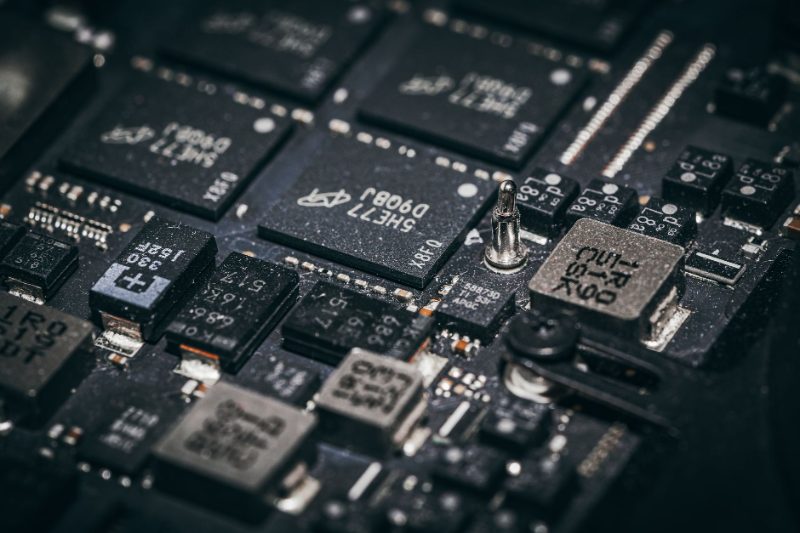
Prime Minister Narendra Modi inaugurated India’s first major Outsourced Semiconductor Assembly and Test (OSAT) facility—CG Semi—on July 5, 2026, marking a pivotal moment in India’s semiconductor manufacturing push. The inauguration signals India’s intent to build a domestic chip ecosystem, reducing dependence on imports and positioning Indian youth at the forefront of the global semiconductor revolution.
CG Semi’s OSAT facility, backed by the CG Power and Industrial Solutions group and supported under the India Semiconductor Mission, represents a critical step in the country’s ₹76,000 crore semiconductor incentive programme. The plant is expected to create thousands of high-skilled jobs in advanced manufacturing.
What Is India’s CG Semi OSAT Facility and Why Does It Matter?
An OSAT (Outsourced Semiconductor Assembly and Test) facility handles the packaging, assembly, and testing of semiconductor chips after the wafer fabrication stage—a critical link in the chip supply chain. CG Semi’s plant is India’s first operational OSAT at scale, putting India alongside Malaysia, Vietnam, and Thailand as a credible destination for global semiconductor supply chain diversification. PM Modi stated that India’s youth will spearhead global revolutions in AI, robotics, and next-generation technologies using semiconductors manufactured domestically. The plant uses chips fabricated elsewhere and packages them for use in electronics, automotive, and defence applications—a $500 billion global market India has largely missed until now.
What Does the CG Semi OSAT Mean for India’s Tech Ecosystem?
India’s semiconductor ambitions have gained significant momentum in 2026. With the CG Semi OSAT now operational, domestic electronics manufacturers gain access to local chip packaging and testing, reducing lead times from months to days. This matters for India’s growing EV, consumer electronics, and defence electronics industries. The IndiaAI Mission and semiconductor push are increasingly interlinked—AI chips require advanced packaging that OSAT facilities provide. For India’s 200,000+ startups, 90% of which already use AI, domestic semiconductor capacity could ultimately lower the cost of AI inference hardware significantly.
Industry Reaction and Expert Commentary
The CG Semi inauguration has been welcomed across the technology and investment community. Industry bodies including the India Electronics and Semiconductor Association (IESA) called it a “historic inflection point” for domestic manufacturing. Global chip companies scouting India for supply chain resilience have noted the OSAT facility as a strong signal that India is serious about semiconductors, not just software. Venture capitalists backing Indian deep tech startups in AI and robotics have flagged that domestic chip packaging will reduce import costs for hardware-intensive products. The facility is expected to attract additional investment into upstream design and downstream electronics assembly in its vicinity.
What Happens Next?
CG Semi’s OSAT plant is the first of several facilities expected to come online under the India Semiconductor Mission’s ₹76,000 crore incentive programme. Tata Electronics’ semiconductor fab in Dholera, Gujarat, and Micron’s chip assembly plant in Sanand are other major projects progressing through 2026 and 2027. PM Modi’s government has set a target of making India a top-5 global semiconductor nation by 2030. Watch for announcements on design-linked incentives and wafer fabrication partnerships with global chipmakers including Intel, TSMC, and Renesas through the rest of 2026.
Frequently Asked Questions
What is CG Semi and what does it do?
CG Semi is an Outsourced Semiconductor Assembly and Test (OSAT) facility backed by CG Power and Industrial Solutions. Inaugurated by PM Modi on July 5, 2026, it packages and tests semiconductor chips for use in electronics, automotive, AI hardware, and defence applications—filling a critical gap in India’s domestic chip supply chain.
What is India’s Semiconductor Mission and how much has it committed?
The India Semiconductor Mission is a ₹76,000 crore (approximately $9 billion) government programme to build a domestic semiconductor ecosystem spanning chip design, fabrication, and assembly. CG Semi’s OSAT is one of the first projects to become operational under this mission.
How will India’s semiconductor manufacturing push affect the tech startup ecosystem?
Domestic semiconductor manufacturing will reduce chip import costs and lead times for Indian hardware startups in AI, robotics, EV, and defence tech. Over the medium term, it could make India a more competitive destination for hardware product companies, complementing the country’s already strong software and AI services industry.














Leave a comment