

Self-healing coatings, once considered largely experimental, are now moving closer to industrial relevance as research advances in two key directions: vascular network-based healing systems and reversible chemical bonding technologies. In April 2026, global coatings research has shown that self-repair is no longer limited to microcapsule-based solutions, but is evolving into more sophisticated architectures capable of repeated healing cycles.
Traditional protective coatings function as passive barriers. Once scratched or cracked, corrosion begins immediately beneath the surface, and failure progresses silently until maintenance is required. Self-healing coatings aim to disrupt this cycle by enabling the coating film to repair micro-damage automatically, restoring its protective function without external intervention.
The vascular system approach is among the most promising developments. Inspired by biological blood vessels, coatings are engineered with microchannel networks that can transport healing agents toward damaged zones. Unlike microcapsule-based systems that release healing agents only once, vascular systems can potentially provide continuous or repeatable repair over long periods, making them attractive for high-value infrastructure and aerospace applications.
In parallel, reversible chemical bonding is gaining momentum. Polymer networks containing dynamic covalent bonds, such as disulfide linkages or reversible hydrogen bonding systems, can break under stress and reform over time. This allows the coating to “recover” at the molecular level, repairing microcracks without releasing additional materials.
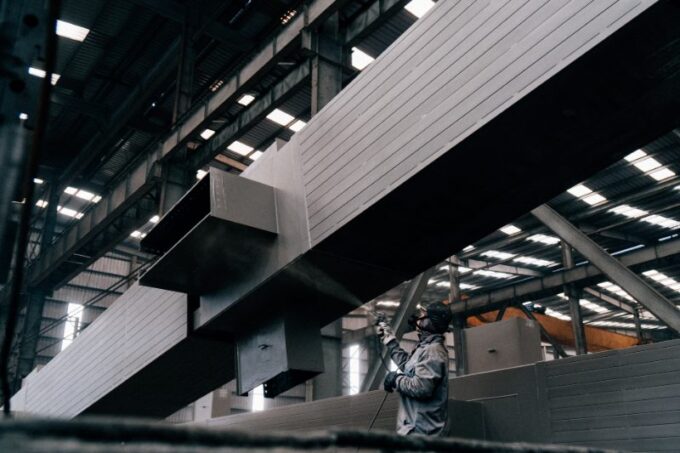
For industrial adoption, however, key challenges remain. Manufacturers must ensure that self-healing systems do not compromise hardness, adhesion, or chemical resistance. They must also ensure that dispersion stability and application methods remain compatible with existing industrial coating processes.
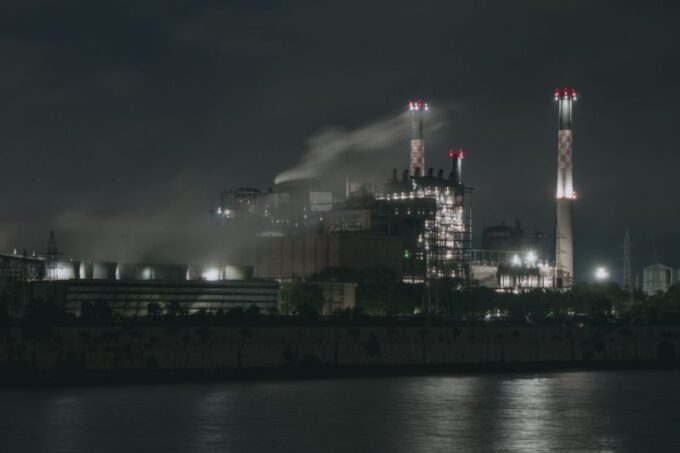
In India, the relevance of self-healing coatings is increasing as infrastructure projects expand rapidly and maintenance costs continue to rise. Bridges, coastal structures, oil and gas pipelines, and heavy industrial plants are high-risk corrosion environments where long-life coatings offer significant economic value.
Self-healing coatings represent a shift in industrial thinking. Instead of treating corrosion as an unavoidable maintenance cost, coatings technology is now moving toward prevention through intelligent repair capability.









Leave a comment