

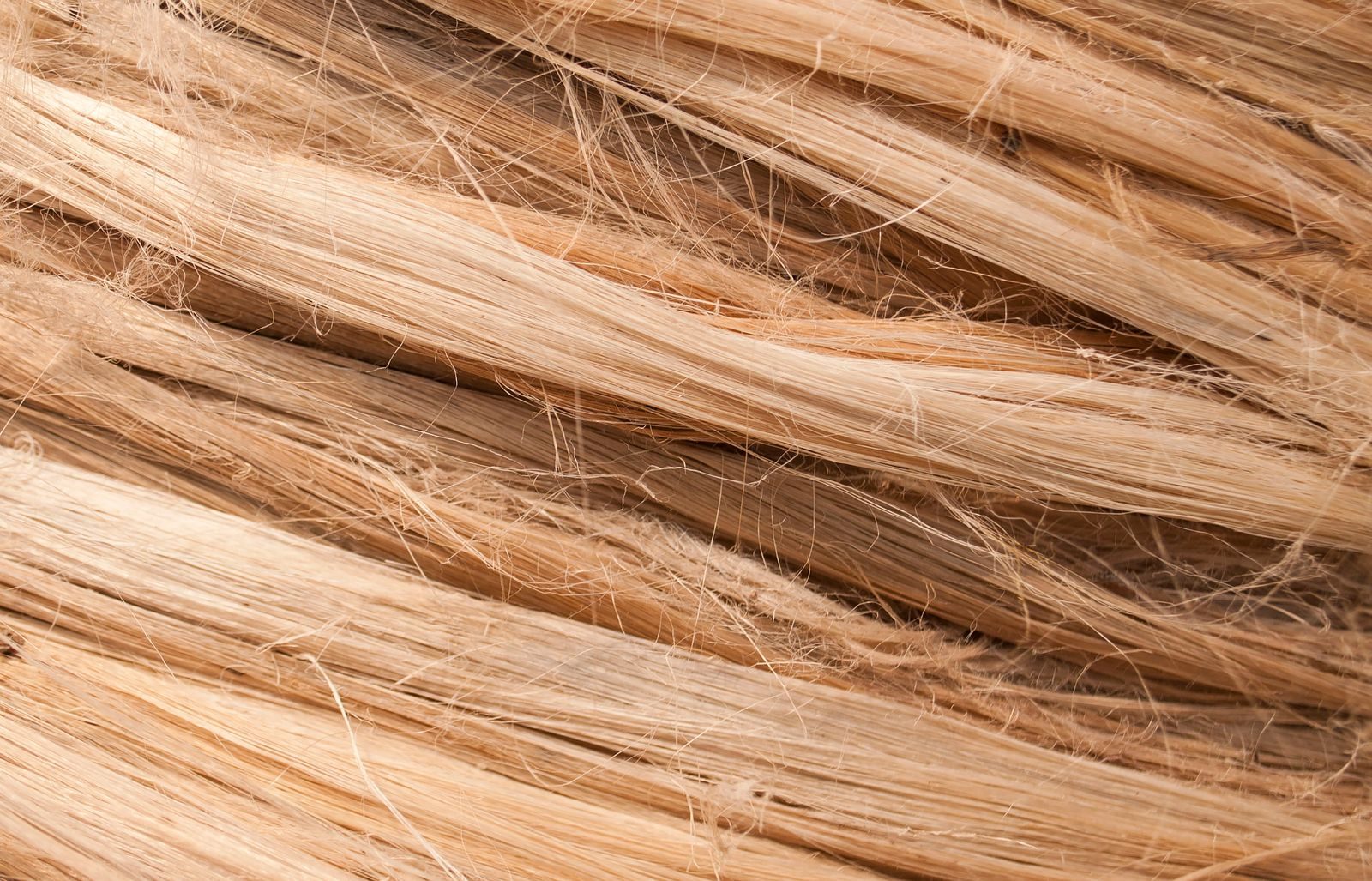
The government has imposed raw jute stock limits on balers, stockists and jute mills to curb hoarding and keep fibre flowing to the industry. The Jute Commissioner issued the order on 27 November 2026, and anyone holding more than the permitted quantity must sell the surplus and physically deliver it to the buyer by 10 December 2026.
The order was issued under the Jute and Jute Textiles Control Order, 2016. According to a Press Trust of India report carried by Business Standard on 28 November, the Ministry of Textiles said the move responds to price volatility and speculative increases in raw jute prices. “The volatility in prices and speculative increases have the potential to threaten the jute industry,” the ministry said.
What are the new raw jute stock limits?
The ceilings vary by type of holder:
- Raw jute balers with a baling press on the same premises, registered with the Office of the Jute Commissioner (or who applied for registration by the notification date): 1,000 quintals.
- Other registered stockists (or applicants by the notification date): 100 quintals.
- Unregistered stockists and balers who have not applied for registration, and registered entities that do not file stock returns on the Jute SMART portal: 5 quintals.
- Jute mills and manufacturing units that make jute goods from raw jute: a maximum of 90 days’ consumption, based on their current production rate.
Entities above these limits must stop buying fresh stock immediately until they are back within the ceiling. All covered persons must declare and update their stock positions every fortnight through returns on the Jute SMART portal.
How will the jute hoarding curbs be enforced?
The order closes several common loopholes. Raw jute stored at one premises counts as a single stock, whatever name it is held in. Where several entities share a godown or baling press, their combined holding cannot exceed the applicable ceiling. Jute contracted for sale remains the seller’s stock until it is physically delivered to the buyer.
Authorised representatives of the Jute Commissioner and state police officials can enter and search premises, inspect books and records, and seize jute believed to be stored in violation of the order. The Jute Commissioner’s office will also seek help from state governments to act against hoarding. Violations are punishable under Clause 11 of the 2016 Control Order read with Section 7 of the Essential Commodities Act, 1955, which provides for imprisonment and fine.
What the order means for jute mills and traders
The government says the aim is to improve raw jute availability for mills, stabilise supplies and prevent market manipulation, while supporting farmers, manufacturers and consumers. For mills, the 90-day consumption cap limits how much fibre they can stockpile, while the much tighter limits on traders and balers are meant to push held-back stock into the market quickly. The 10 December delivery deadline gives over-limit holders less than two weeks to comply.
Market Reaction and Industry Response
The report did not include specific raw jute price figures, and no reaction from jute mill associations, traders or farmer groups had been reported at the time of writing.
What Happens Next?
Over-limit holders must offload and deliver surplus stock by 10 December 2026 and keep filing fortnightly returns on the Jute SMART portal. Enforcement teams from the Jute Commissioner’s office and state police are authorised to inspect premises and seize stock held in breach of the order.
Frequently Asked Questions
Who issued the raw jute stock limit order?
The Jute Commissioner issued the order on 27 November 2026 under the Jute and Jute Textiles Control Order, 2016.
What is the stock limit for jute mills?
Jute mills and units making jute goods can hold raw jute equal to a maximum of 90 days’ consumption, based on their current production rate.
What is the deadline to sell surplus raw jute?
Entities holding stock above the limits must sell the surplus and physically deliver it to buyers by 10 December 2026.
Source: Business Standard (Press Trust of India), 28 November 2026.












Leave a comment