

The RoDTEP scheme extension keeps India’s export duty-refund support alive until 31 December 2026, with no change to the existing rates. The Directorate General of Foreign Trade (DGFT) announced the continuation on 1 October 2026, and the Press Information Bureau listed the Commerce and Industry Ministry’s release the next day.
The extension covers exporters in the Domestic Tariff Area (DTA), holders of Advance Authorisation (AA), Special Economic Zone (SEZ) units and Export Oriented Units (EOUs). According to Fibre2Fashion’s report of 1 October 2026, the rates and value caps that applied on 30 September 2026 under Appendix 4R and Appendix 4RE stay unchanged through the extended period.
What Is the RoDTEP Scheme and Why Does the Extension Matter?
RoDTEP stands for Remission of Duties and Taxes on Exported Products. It refunds embedded duties and taxes that other schemes do not rebate, so Indian goods compete on price in overseas markets. Exporters receive the benefit as transferable electronic duty credit scrips. The extension gives exporters three more months of policy certainty for shipments between October and December 2026.
Which Industries Gain From the RoDTEP Scheme Extension?
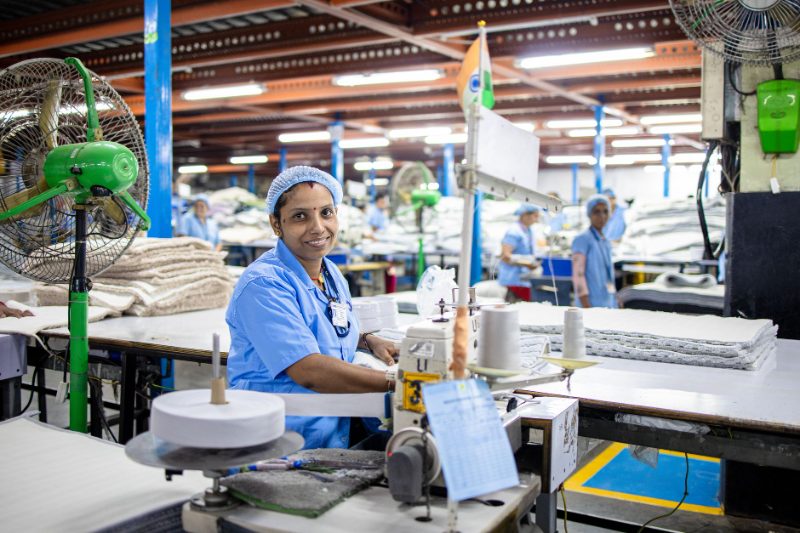
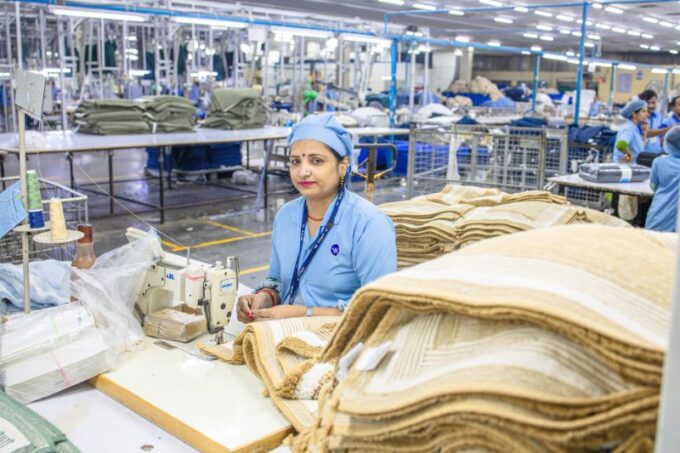
Fibre2Fashion reports that the scheme supports textile, apparel, leather and engineering goods exporters, among other manufacturers. Textile exporters have a direct stake, because RoDTEP rates feed into the price quotes they give overseas buyers. Because the rates stay at their 30 September levels, mills and garment makers can keep their existing pricing models for the rest of the calendar year.
The decision lands as other trade measures also continue. On 2 October 2026 the Press Information Bureau also listed a Commerce Ministry release on extending the operational timelines of the RELIEF intervention, which supports exporters facing logistics disruption linked to West Asia.
What Does This Mean for Indian Exporters and Pricing?
The main effect is predictability. Exporters negotiate orders months ahead, and a lapse in the scheme would have forced them to absorb the cost of unrefunded duties or renegotiate contracts. Keeping rates unchanged removes that risk until year-end. It also means exporters should not expect any rate increase in the extended window, because the notification freezes the existing schedules.
Market Reaction and Industry Response
The sources reviewed for this article did not report a stock-market reaction, and the coverage did not include statements from trade bodies. Readers should treat reactions from export promotion councils and industry associations as pending until those bodies issue their own statements.
What Happens Next?
The extension runs to 31 December 2026, so the next decision point falls in the final quarter of the year. Exporters should watch for a further DGFT notification on whether the scheme continues beyond that date, and whether rates are revised for 2027. Anyone claiming benefits should check Appendix 4R and Appendix 4RE for the rates that apply to their tariff lines.
Frequently Asked Questions
Until when is the RoDTEP scheme extended?
The scheme is extended until 31 December 2026. The existing rates and value caps from 30 September 2026 continue unchanged during this period.
Who can claim RoDTEP benefits during the extension?
Benefits remain available to exporters in the Domestic Tariff Area, Advance Authorisation holders, SEZ units and Export Oriented Units.
Are RoDTEP rates changing in the extended period?
No. DGFT has kept the rates and value caps listed in Appendix 4R and Appendix 4RE as they stood on 30 September 2026. Exporters receive the refund as transferable electronic duty credit scrips.
Sources: Fibre2Fashion report dated 1 October 2026 on the DGFT notification; Press Information Bureau release listing dated 2 October 2026.









Leave a comment