

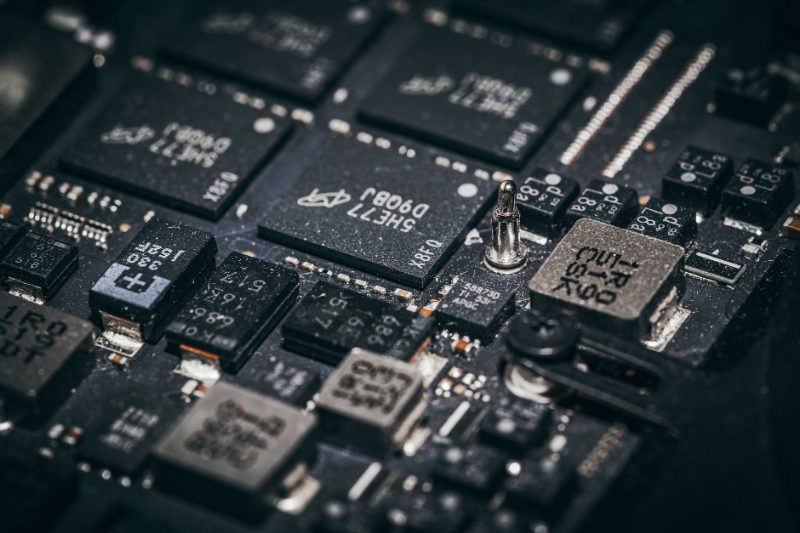
Prime Minister Narendra Modi inaugurated SEMICON India 2026 in New Delhi on September 17, 2026, marking the government’s biggest annual showcase of its semiconductor mission and signalling a fresh round of policy support for chip manufacturing, packaging and design in the country. The event brings together global chipmakers, equipment suppliers and Indian fabrication units under the India Semiconductor Mission umbrella.
The inauguration comes as the India Semiconductor Mission, backed by an outlay of over ₹76,000 crore, moves from approvals to execution, with multiple fabrication and Outsourced Semiconductor Assembly and Test (OSAT) units under construction in Gujarat, Assam and other states. The Prime Minister used the platform to reiterate India’s ambition to become a trusted global partner in the semiconductor supply chain amid continuing geopolitical realignment of chip manufacturing away from a small number of concentrated hubs.
What New Semiconductor Policy Support Was Announced at SEMICON India 2026?
At the inauguration, the government highlighted continued fiscal incentives under the semiconductor mission, including capital support of up to 50 percent for approved fabrication and display units, along with design-linked incentives for domestic chip design startups. Officials also pointed to progress on the compound semiconductor and packaging scheme, which is intended to widen participation beyond a handful of large approved projects to smaller specialised manufacturers entering assembly, testing, marking and packaging.
What Do Industry Leaders and Analysts Say?
Global semiconductor executives attending SEMICON India 2026 pointed to India’s improving ecosystem readiness, citing progress on skilled workforce development and the ramp-up of pilot production lines. Industry bodies including the India Electronics and Semiconductor Association have welcomed the sustained policy continuity across successive budgets, though analysts caution that India’s semiconductor ambitions remain in an early, capital-intensive phase and that translating fabrication announcements into stable commercial output will take several more years.
Market and Trade Reaction
Shares of domestic electronics manufacturing and semiconductor-linked companies saw increased trading interest around the SEMICON India 2026 announcements, reflecting investor attention on the sector’s medium-term growth story. On the trade front, India’s electronics exports have been rising steadily, and officials used the summit to reiterate the goal of building a fuller domestic supply chain that reduces reliance on imported chips for automotive, telecom and consumer electronics manufacturing.
What Happens Next?
The Ministry of Electronics and Information Technology is expected to announce further project approvals under the semiconductor mission in the coming months, alongside updates on construction timelines for existing fabrication and OSAT units. Industry participants will be watching for the first meaningful output from India’s pilot fabrication lines and further clarity on incentives for chip design and compound semiconductor manufacturing as the mission enters its next phase.
Frequently Asked Questions
What is SEMICON India 2026?
SEMICON India 2026 is the government’s annual flagship semiconductor industry event, inaugurated by Prime Minister Narendra Modi on September 17, 2026, bringing together global and domestic chipmakers, equipment suppliers and policymakers under the India Semiconductor Mission.
How much has India committed to its semiconductor mission?
The India Semiconductor Mission carries an outlay of more than ₹76,000 crore, offering fiscal incentives of up to 50 percent of project cost for approved fabrication, display and packaging units.
Why is India investing in semiconductor manufacturing?
India is investing in semiconductor manufacturing to reduce dependence on imported chips for automotive, telecom and electronics industries, and to position itself as a trusted alternative in the global chip supply chain amid geopolitical shifts in manufacturing.











Leave a comment