

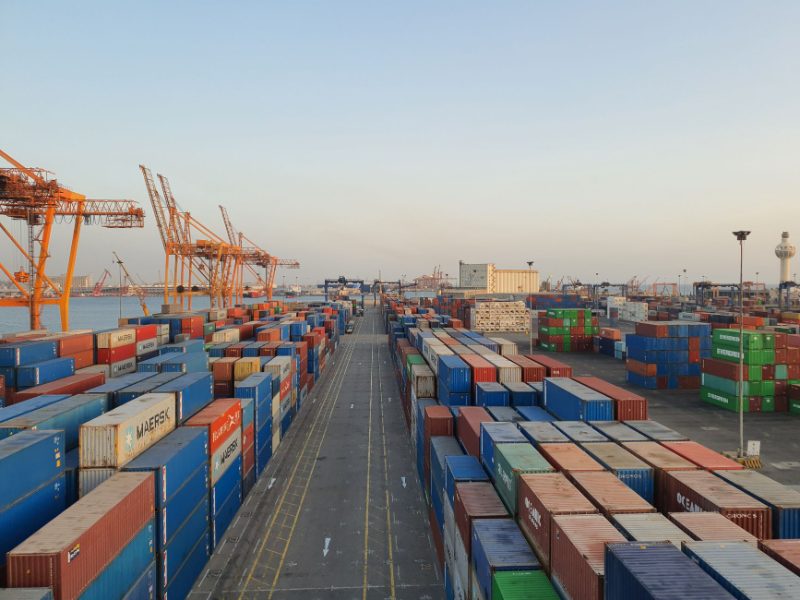
Negotiators from New Delhi and Washington are working against a hard deadline of July 24, when a temporary 10 percent US tariff regime on Indian goods is set to expire, putting fresh urgency behind talks to lock in an interim bilateral trade arrangement. A two-day ministerial round wrapped up this week with both sides reporting progress on market access, digital trade, and non-tariff barriers, though officials stopped short of confirming that all sticking points had been resolved.
The Tariff Framework on the Table
Under the terms outlined in an earlier joint statement, the United States has agreed to lower its reciprocal tariff on Indian goods from 25 percent to 18 percent, contingent on India aligning with a set of US positions on trade and strategic issues. Washington has also agreed to drop an additional 25 percent tariff that had been imposed in response to India’s continued purchases of Russian crude oil, in recognition of India’s commitment to wind down those purchases. The combined effect, if finalised, would represent one of the most significant tariff reductions in the bilateral relationship in years.
What India Is Offering
In exchange, India has signalled it will eliminate or reduce tariffs across a broad swath of American industrial goods, alongside a long list of agricultural products including dried distillers’ grains, red sorghum, tree nuts, fresh and processed fruit, soybean oil, and wine and spirits — categories that have historically faced high Indian import duties and were persistent friction points in earlier rounds of talks. India has also committed to purchasing approximately $500 billion worth of US energy products, aircraft and aircraft parts, precious metals, technology products, and coking coal over the next five years, a figure that would materially reshape the bilateral trade balance if delivered on schedule.
Racing the Clock
The two sides are simultaneously working toward a more comprehensive Bilateral Trade Agreement even as they manage the near-term tariff deadline, a dual-track approach that trade officials on both sides have described as necessary given the complexity of a full BTA. Negotiators are understood to be prioritising an interim framework that can be signed before July 24 to avoid a snapback to the higher 25 percent rate, with the fuller agreement to follow on a longer timeline.
Industry and Market Reaction
Indian exporters in textiles, pharmaceuticals, and engineering goods — sectors most exposed to the tariff swing — have urged both governments to finalise the interim deal well ahead of the deadline, warning that continued uncertainty is already affecting order books for the current quarter. On the US side, agricultural lobbies have welcomed India’s proposed market-opening commitments on items like soybean oil and tree nuts, sectors that have sought better access to the Indian market for years. Currency and equity markets have shown a cautiously positive reaction to the prospect of a deal, with Indian trade-sensitive stocks seeing modest gains on the back of the ministerial-level progress reports.
Looking Ahead
With less than a month remaining before the tariff deadline, the coming weeks are expected to bring intensified shuttle diplomacy between commerce ministries. Whether the interim arrangement holds, and how quickly it can be converted into a full Bilateral Trade Agreement, will be a key data point for assessing the durability of the broader US-India economic relationship heading into the second half of the year.









Leave a comment