

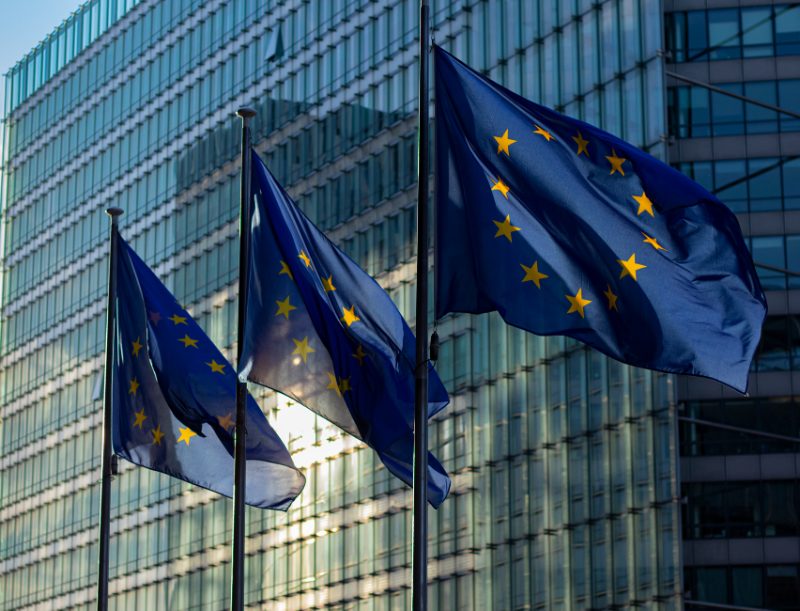
Nearly two decades after talks first began, the India-European Union Free Trade Agreement has moved past its most difficult hurdle: the two sides concluded negotiations on the substance of the deal in late January 2026, with agreement reached on roughly 20 of the pact’s 24 negotiating chapters. The agreement is now moving through legal vetting and translation ahead of formal signing, a procedural but consequential phase that will determine how quickly the FTA can enter into force.
What the Deal Covers
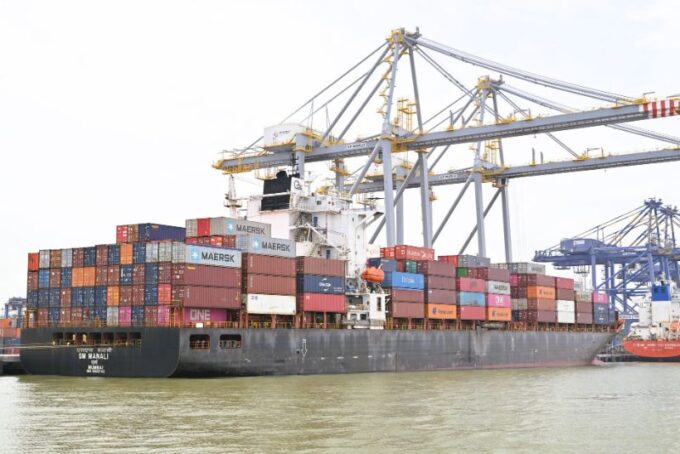
The agreement spans trade in goods and services, investment protection, sustainable development commitments, intellectual property rights, digital trade rules, and dispute settlement mechanisms — a scope that reflects the more comprehensive template India has used in its recent trade agreements, in contrast to older, narrower goods-only pacts. The European Commission has stated the FTA will cut or eliminate tariffs on almost 97 percent of European exports to India, translating into savings of up to €4 billion annually in duties for EU exporters once fully phased in.
Ratification Still to Come
Concluding the negotiating text is not the same as bringing the agreement into force. The FTA still requires approval from the Council of the European Union, consent from the European Parliament, and sign-off from India’s Union Council of Ministers before it becomes operative. Trade officials on both sides have cautioned that this ratification sequence, particularly the European Parliament’s consent process, could take the better part of a year or more, meaning businesses on both sides should not expect immediate tariff relief even with the text now settled.
Projected Economic Impact
The European Commission has projected that its exports to India could double by 2032 as a direct result of the agreement, driven largely by improved market access in engineering goods, automobiles, wines and spirits, and dairy — sectors where European exporters have long complained of prohibitively high Indian tariffs. For India, the deal is expected to open up European markets for textiles, leather, pharmaceuticals, and IT-enabled services, sectors where Indian exporters have sought better terms than those available under the EU’s standard most-favoured-nation tariff schedule.
Part of a Broader FTA Push
The EU agreement lands alongside a wider acceleration in India’s trade diplomacy: the commerce ministry confirmed this week that India is currently in active FTA negotiations with six additional partners, including Australia, Sri Lanka, Peru, Chile, the Eurasian Economic Union, and Israel, building on FTAs already signed with the United Kingdom in mid-2025 and Oman in December 2025. Officials have described the current period as India’s most active phase of trade agreement-building in over a decade, with a stated ambition to expand the country’s existing network of nine FTAs spanning 38 countries.
What Businesses Should Watch
Trade lawyers and export councils are advising companies on both sides to begin scenario planning now, even with formal entry into force still pending, given the scale of tariff changes involved. For India’s exporters, the parallel signal from ongoing FTA talks with Australia, Israel, and the EAEU suggests the country’s trade architecture is shifting decisively toward deeper, services-inclusive agreements — a trend likely to reshape competitive dynamics across manufacturing and services sectors well before any single agreement’s ink is fully dry.









Leave a comment