

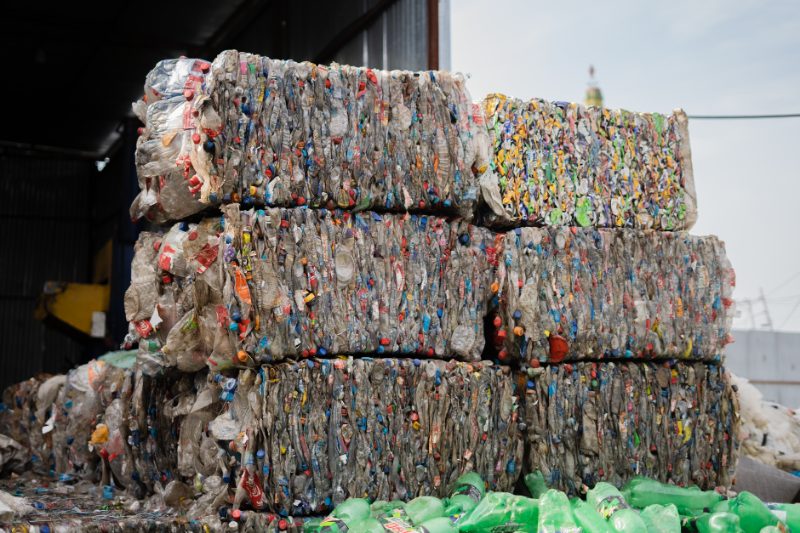
India’s plastic recycling sector is undergoing a technology-led transformation in July 2026, with chemical recycling emerging as a credible pathway to certified circular polymers and advanced sorting infrastructure expanding across major cities. Reliance Industries has led this shift by becoming the first Indian company to produce ISCC PLUS-certified circular polymers through chemical recycling of plastic waste-based pyrolysis oil — a landmark that signals India’s intent to align with global circular economy standards.
The development comes as India’s plastic recycling market — already growing steadily — is being pushed by both regulatory pressure and brand owner demand for recycled content. Extended Producer Responsibility (EPR) mandates and plastic waste management rules are compelling FMCG companies, packaging manufacturers, and consumer goods brands to source certified recycled plastic, creating a commercial pull for scalable recycling infrastructure.
What Is Chemical Recycling and Why Does It Matter for India?
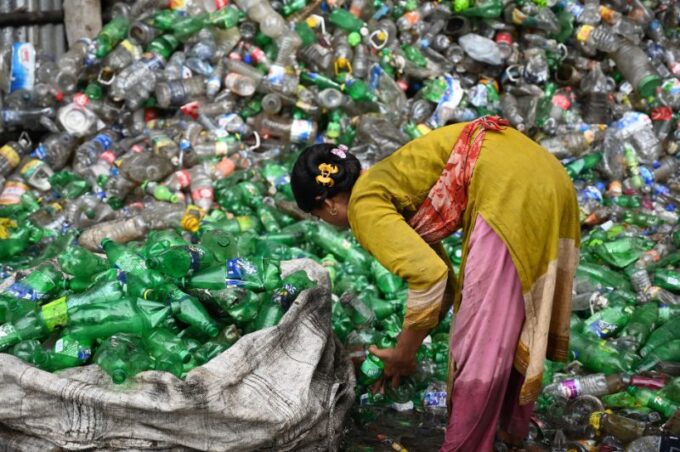
Chemical recycling — which breaks down plastic waste into its molecular constituents through processes such as pyrolysis, gasification, or solvent-based dissolution — can process mixed and contaminated plastic waste streams that mechanical recycling cannot handle. This is critical for India, where co-mingled plastic waste collection remains the norm in most cities. Reliance Industries’ use of pyrolysis oil from plastic waste, converted into ISCC PLUS-certified circular polymers, demonstrates that chemical recycling can produce materials meeting the same quality specifications as virgin polymers — making them acceptable to brand owners and export markets with strict sustainability requirements.
How Is India’s Plastic Recycling Ecosystem Developing in 2026?
The Global Conference on Plastics Recycling and Sustainability (GCPRS 2026), held in late June, brought together policymakers, industry leaders, and technology providers to chart a roadmap for scaling India’s recycling capacity. Key themes included advanced sorting technology using AI-driven optical scanners, investment in chemical recycling infrastructure, harmonisation of India’s EPR registry, and export opportunities for recycled polymer pellets. Industry estimates suggest India’s formal plastic recycling capacity needs to grow by 3–4 times its current level to meet 2030 EPR compliance targets across all polymer types.
Market Reaction and Industry Response
Multinational FMCG companies with India operations — including Hindustan Unilever, Nestlé India, and Procter & Gamble — are actively seeking ISCC-certified recycled polymers to meet their global packaging sustainability commitments. This has created a premium market for certified circular plastic, with recycled PET and HDPE attracting price premiums of 10–20% over uncertified recycled material. Start-ups in the plastic-to-fuel and plastic-to-chemical space, backed by climate-focused funds, are also scaling operations in Maharashtra, Gujarat, and Tamil Nadu.
What Happens Next?
The Ministry of Environment, Forest and Climate Change is expected to announce stricter EPR timelines for plastic packaging by Q3 2026, which will further accelerate demand for certified recycled content. The GCPRS 2026 roadmap calls for ₹15,000 crore in recycling infrastructure investment over the next five years. Reliance’s chemical recycling milestone is likely to prompt competitors — including IOCL’s petrochemical division and smaller speciality players — to announce their own circular polymer programmes. The next 12 months will be pivotal for whether India’s recycling sector scales to meet both domestic EPR demand and export markets in Europe, where the EU Packaging Regulation mandates minimum recycled content thresholds from 2030.
Frequently Asked Questions
What is ISCC PLUS certification in plastic recycling?
ISCC PLUS (International Sustainability and Carbon Certification PLUS) is a globally recognised certification for circular and bio-based materials. Plastic recyclers who achieve ISCC PLUS certification can prove the sustainability and traceability of their recycled content, making their output acceptable to international brand owners with sustainability procurement requirements.
What is India’s Extended Producer Responsibility (EPR) for plastics?
India’s EPR rules for plastic packaging, notified under the Plastic Waste Management Rules 2022, require producers, importers, and brand owners to recycle a defined percentage of the plastic packaging they introduce to the market. The EPR framework uses a centralised online registry for compliance reporting, and non-compliance can attract penalties and restrictions on plastic use.
How large is India’s plastic recycling market?
India is one of the world’s largest plastic waste generators, producing over 3.5 million tonnes of plastic waste annually. The formal plastic recycling market is growing rapidly, driven by EPR mandates and rising demand for recycled content. Chemical recycling is emerging as a key technology to complement existing mechanical recycling capacity, particularly for mixed and contaminated plastic streams.









Leave a comment