

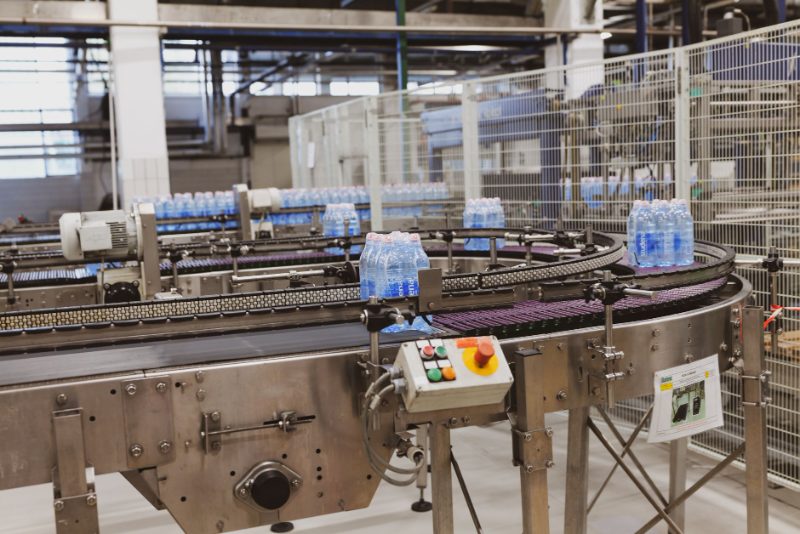
India’s plastics exports are projected to double from approximately USD 10 billion today to USD 20 billion by 2030, propelled by improving manufacturing competitiveness, capacity expansions by Reliance Industries and Adani Group, and growing global demand for Indian-made packaging, pipes, and technical plastic components. The plastics exports India growth story is supported by government PLI incentives and a narrowing domestic PVC supply gap that has long made the sector dependent on imports from China and Southeast Asia.
India currently exports plastic products to more than 100 countries, with the US, Europe, and the Middle East as key markets. Total plastic products exports stood at approximately USD 10.7 billion in FY25, according to the Plastics Export Promotion Council (PLEXCONCIL), and are growing at a 12% CAGR — well above the global average growth in plastics trade.
Why Are India’s Plastics Exports Set to Hit USD 20 Billion by 2030?
Several structural factors are driving India’s plastic export ambitions. First, major capacity additions — Reliance Industries’ 1.5 MTPA PVC complex at Dahej and Adani’s 2 MTPA PVC facility — are expected to close the 2.5 million-tonne domestic supply deficit by FY27, freeing up feedstock for higher-value export-oriented production. Second, global retailers including Walmart, Amazon, and major European FMCG companies are actively diversifying supply chains away from China, with Indian processors emerging as preferred alternatives due to competitive pricing, improving quality certifications (including ISO 9001, BIS, and FDA approvals for food-grade plastics), and geopolitical supply security. Third, India’s improving logistics infrastructure — including dedicated freight corridors, upgraded ports at Mundra, Nhava Sheva, and Ennore — is reducing export lead times and costs.
What Are the Key Segments Driving Plastics Export Growth?
Packaging plastics (flexible films, PET bottles, BOPP film) and technical plastics (automotive components, medical devices, electrical fittings) are the fastest-growing export categories. The medical devices segment alone — which uses significant volumes of engineering polymers, silicones, and PVC tubing — grew 18% in FY25 and is increasingly anchored in India’s manufacturing hubs of Ahmedabad, Bengaluru, and Pune. Pipes and fittings for agriculture and construction represent another major export category, with Indian manufacturers gaining share in Africa and Southeast Asia on price competitiveness.
Market Reaction and Industry Response
The Plastindia Foundation used PLASTINDIA 2026 as a platform to formally set an industry target of USD 25 billion in plastic exports by 2032. PLEXCONCIL has requested government support in the form of duty drawback rationalisation, enhanced market development assistance, and bilateral trade agreements with key import markets. On the investment side, domestic and foreign investors are backing new polymer processing facilities across Gujarat’s Dahej petrochemical cluster, the Petroleum, Chemicals and Petrochemicals Investment Region (PCPIR) at Paradip, Odisha, and Tamil Nadu’s Manali industrial complex.
What Happens Next?
The most important near-term catalyst for India’s plastic export ambitions is the commissioning of Reliance’s Dahej PVC complex, expected in FY27. This will reduce raw material costs for thousands of downstream processors and improve India’s cost competitiveness in global markets. Industry bodies will also seek clarity on EPR norms and recycled content mandates — which, if harmonised with EU and US regulations, could open significant opportunities for Indian recycled plastics exporters.
Frequently Asked Questions
How much does India currently export in plastics?
India exports approximately USD 10.7 billion in plastic products annually as of FY25. The Plastics Export Promotion Council (PLEXCONCIL) projects this to grow to USD 20 billion by 2030 at a CAGR of around 12%, driven by capacity additions, supply chain diversification by global companies, and PLI incentives.
Which countries buy the most Indian plastic products?
The United States, European Union countries (Germany, Italy, UK), and Middle Eastern markets (UAE, Saudi Arabia) are India’s largest plastic export destinations. Indian manufacturers are also rapidly expanding presence in Africa and Southeast Asia with competitively priced agricultural pipes, packaging films, and construction fittings.
What is India’s PVC supply gap and how is it being addressed?
India currently imports approximately 1.8–2.5 million tonnes of PVC annually, largely from China and Southeast Asia, due to insufficient domestic production. Reliance Industries (1.5 MTPA at Dahej) and Adani Group (2 MTPA facility) are constructing new PVC complexes expected to eliminate this deficit by FY27, significantly strengthening India’s plastics value chain and export competitiveness.









Leave a comment