

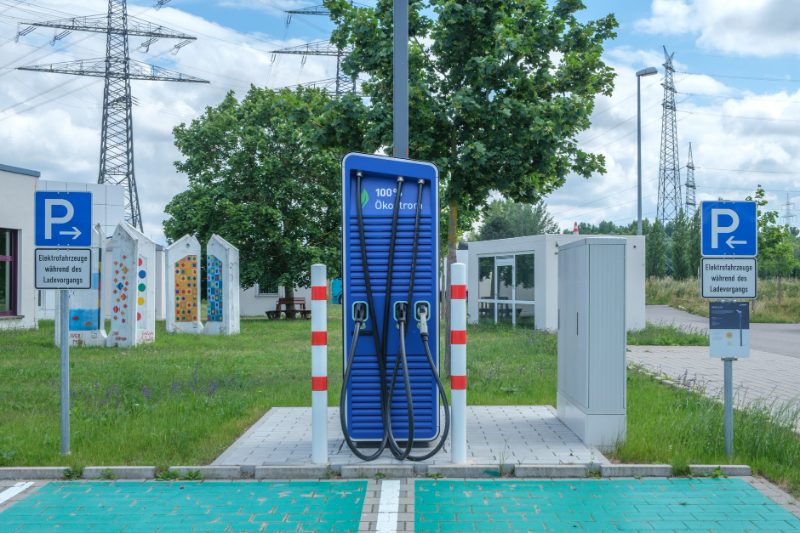
India’s electric vehicle retail sales surged 63% year-on-year to a record 3,06,220 units in June 2026, marking the highest monthly EV sales figure in the country’s history and the first time EV penetration crossed 12% of total vehicle retail sales. The India EV sales June 2026 data, released by the Federation of Automobile Dealers Associations (FADA), underscores the accelerating mainstream adoption of electric mobility across two-wheelers, passenger vehicles, and commercial segments.
June 2026’s record was driven by strong pre-monsoon buying, expanded charging infrastructure, and competitive pricing from domestic OEMs. The milestone comes as India’s EV ecosystem matures rapidly — with over 12,000 public charging stations now operational nationwide and battery pack prices falling to approximately ₹9,500–10,500 per kWh, down from ₹13,000–14,000 per kWh in 2023.
Which EV Segments Drove India’s June 2026 Sales Record?
Electric two-wheelers led the India EV sales June 2026 surge, with retail volumes rising 75% year-on-year to 1,93,735 units. EV penetration in the two-wheeler segment reached 10.6% — up from 9.3% in May 2026 and just 7% in June 2025. Ola Electric, Bajaj Chetak, TVS iQube, and Hero Vida were the top four sellers by volume. Electric passenger vehicle retail sales more than doubled year-on-year to a record 31,823 units, with EV penetration in the PV segment rising to 7.7% from 6.6% in May and 4.8% a year ago. Tata Motors retained its leadership in electric PVs, followed by Mahindra & Mahindra (whose BE 6 and XEV 9e continued to see strong demand despite wait periods of 4–6 weeks) and JSW MG Motor India. Electric three-wheelers contributed approximately 75,000 units, while electric buses and commercial vehicles added around 5,900 units — both at record monthly levels.
What Is Driving India’s EV Adoption Acceleration in 2026?
The India EV sales June 2026 record reflects several structural accelerants. PM E-DRIVE, the government’s ₹10,900 crore EV demand incentive scheme, has subsidised over 8 lakh two-wheelers and 50,000 e-buses since its launch in October 2024. State-level incentives in Maharashtra, Gujarat, Tamil Nadu, and Rajasthan have added purchase subsidies of ₹5,000–25,000 per vehicle. Fleet electrification by Zomato, Swiggy, Amazon Logistics, and Meesho has driven commercial two-wheeler volumes. Additionally, total cost of ownership (TCO) parity between EVs and ICE vehicles has been achieved in the two-wheeler segment since early 2026, removing the primary price objection for urban buyers.
Market Reaction and Industry Response
The June 2026 EV data triggered a rally in listed EV and EV-adjacent stocks. Tata Motors gained 3.8% on the day of the release, while Bajaj Auto rose 2.9% on strong Chetak volumes. Battery maker Amara Raja Energy & Mobility rose 5.1% as investors priced in higher cell demand. Auto component makers Motherson Sumi and Samvardhana Motherson also saw buying interest as EV content-per-vehicle metrics continue to improve for suppliers. Analyst firm JM Financial revised India’s EV penetration forecast upward to 18% of total vehicle sales by December 2026, from its earlier estimate of 15%.
What Happens Next?
July–August are typically softer months for auto retail due to monsoon seasonality, so a month-on-month dip from June’s 3.06 lakh record is expected. However, year-on-year comparisons will remain strong through H2 FY27. Key catalysts to watch: Ola Electric’s next-generation Roadster series launch (Q3 2026), Maruti Suzuki’s first EV (e Vitara) ramping delivery volumes, and the government’s expected announcement of PM E-DRIVE Phase 2 incentives. India is tracking to surpass 30 lakh annual EV sales in FY2026-27, which would make it the world’s third-largest EV market by unit volume after China and the US.
Frequently Asked Questions
What were India’s EV sales figures for June 2026?
India recorded EV retail sales of 3,06,220 units in June 2026, a 63% year-on-year increase and the highest monthly EV sales total in history. EV penetration crossed 12% of total vehicle retail for the first time. Electric two-wheelers led with 1,93,735 units (+75% YoY), while electric PV sales hit a record 31,823 units, more than doubling year-on-year.
Which companies lead India’s electric vehicle market in 2026?
In electric two-wheelers, Ola Electric, Bajaj (Chetak), TVS (iQube), and Hero (Vida) are the top sellers. In electric passenger vehicles, Tata Motors leads, followed by Mahindra & Mahindra (BE 6, XEV 9e) and JSW MG Motor India. In electric three-wheelers, several regional OEMs dominate, while Tata Motors and Olectra Greentech lead the e-bus segment.
What government schemes are supporting India’s EV growth in 2026?
The primary central government scheme is PM E-DRIVE (₹10,900 crore), launched October 2024, which subsidises electric two-wheelers and e-buses. Multiple state governments offer additional purchase subsidies ranging from ₹5,000–25,000 per vehicle. The government has also mandated 25% EV fleet adoption for government departments by 2027, creating institutional demand beyond retail channels.











Leave a comment