

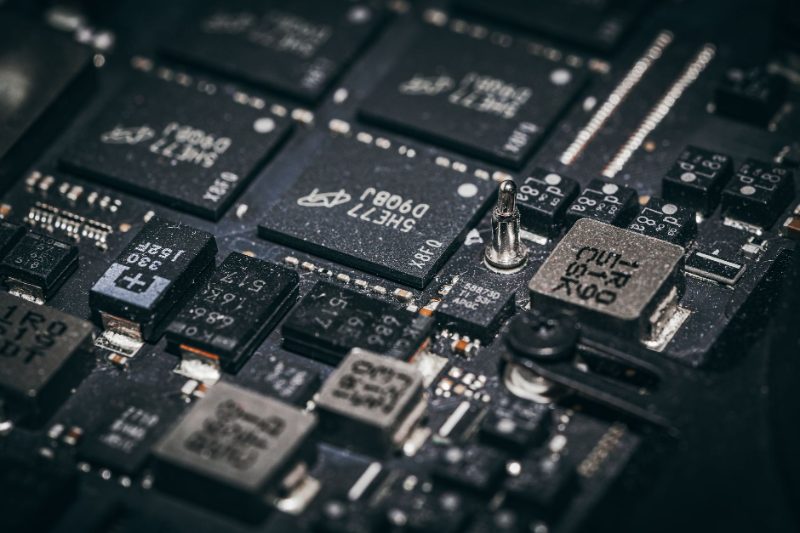
Prime Minister Narendra Modi inaugurated the CG Semi Outsourced Semiconductor Assembly and Test (OSAT) facility in July 2026, marking a historic milestone in India’s semiconductor manufacturing ambitions. The India semiconductor manufacturing 2026 push positions Indian youth at the centre of a global chips revolution, with Modi declaring that India-made semiconductors will power the country’s AI and robotics future.
The CG Semi OSAT facility, developed under India’s ₹76,000 crore Production Linked Incentive (PLI) scheme for semiconductors, is among the first commercially operational chip assembly and testing plants in the country. The facility will serve domestic electronics manufacturers and export markets across Southeast Asia.
What Is an OSAT Facility and Why Does It Matter for India?
An OSAT — Outsourced Semiconductor Assembly and Test — facility handles the packaging and testing of semiconductor chips after fabrication. While India currently lacks advanced chip fabrication plants, OSAT capacity is an essential first step in building a domestic semiconductor value chain. The CG Semi facility reduces India’s dependence on Chinese and Taiwanese chip packaging, which currently processes over 90% of globally manufactured chips.
How Will This Impact India’s Electronics and AI Industries?
Domestic semiconductor manufacturing capability directly supports India’s electronics sector — worth $155 billion in 2024 and targeted to reach $500 billion by 2030. For the AI industry, locally assembled chips reduce supply chain risks and latency for Indian AI companies deploying GPU clusters for large language model training. The government’s IndiaAI Mission, backed by ₹10,371 crore, specifically targets domestic chip availability as a critical enabler.
Industry Reaction and Expert Commentary
PM Modi stated at the inauguration: “India’s youth will lead the global revolution in AI and robotics using semiconductors made on Indian soil.” The India Semiconductor Mission confirmed that three additional OSAT and fab projects are under various stages of approval, including Tata Electronics’ ₹91,000 crore fab in Dholera, Gujarat. Industry analysts at CRISIL noted that India’s semiconductor PLI scheme has attracted over $15 billion in committed investment as of mid-2026.
What Happens Next?
Tata Electronics’ Dholera fab is expected to begin trial production in 2026, while Micron Technology’s OSAT in Sanand, Gujarat is scaling production capacity. The government is targeting 25% domestic semiconductor content in Indian electronics by 2028. Further OSAT investments from global players are expected to be announced at Semicon India 2026.
Frequently Asked Questions
What is the CG Semi OSAT facility?
CG Semi’s OSAT (Outsourced Semiconductor Assembly and Test) facility is one of India’s first commercial chip packaging and testing plants, inaugurated by PM Modi in July 2026 under the ₹76,000 crore semiconductor PLI scheme.
What is India’s semiconductor PLI scheme?
India’s semiconductor PLI scheme provides ₹76,000 crore ($9 billion) in government incentives to attract domestic and global companies to set up chip fabrication, OSAT, and display manufacturing facilities in India.
When will India have its own chip fabrication plant?
Tata Electronics’ semiconductor fab in Dholera, Gujarat is expected to begin trial production in 2026, with full commercial operations targeted for 2027–28. This will be India’s first commercial chip fabrication facility.











Leave a comment