

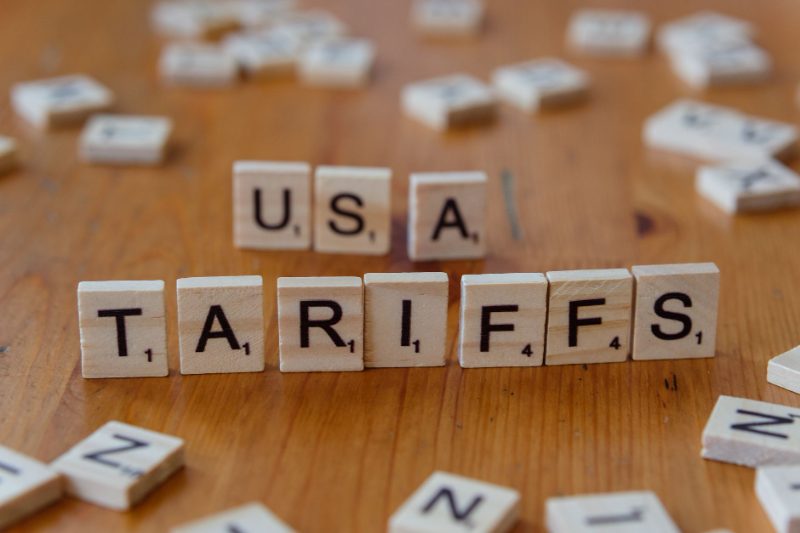
US Section 301 tariffs in July 2026 are reshaping global trade policy with sweeping new measures affecting over 60 economies. The Office of the U.S. Trade Representative (USTR) has proposed 10–12.5% tariffs under Section 301 on goods from 60 trading partners, while a separate 100% tariff on patented pharmaceuticals under Section 232 takes effect July 31, 2026 — with major consequences for importers, exporters, and pharmaceutical supply chains worldwide.
The Section 301 investigation, announced June 2, 2026, targets alleged forced labour-related policies across 59 countries and the EU. A public hearing was held on July 7, 2026, with the USTR now evaluating written submissions. Separately, the global Article 122 additional tariffs of 10–15% on all import categories, in place since February 2026, are set to automatically expire on July 24, 2026.
What Are the New US Section 301 Tariff Rates for July 2026?
Under the proposed Section 301 action, the USTR has structured tariffs in two tiers: 10% on most goods from 15 trading partners, and 12.5% on most goods from 45 trading partners. Certain categories are exempt, including agricultural products, aviation parts, industrial inputs, minerals, and pharmaceutical goods already subject to Section 232 tariffs. India, as a major goods exporter to the US, faces potential exposure in textiles, engineering goods, and auto components if listed among the 60 targeted economies. The public comment period closed July 6, 2026, with a final determination expected in Q3 2026.
How Do the 100% Pharma Tariffs Under Section 232 Affect Global Trade?
President Trump’s April 2, 2026 proclamation under Section 232 imposes a 100% ad valorem tariff on patented pharmaceutical products and their active pharmaceutical ingredients (APIs) imported into the United States. For large pharmaceutical companies, this takes effect July 31, 2026; smaller manufacturers have until September 29, 2026. Generic pharmaceuticals and their APIs are currently excluded from the Section 232 action. India is the world’s largest supplier of generic medicines to the US and supplies approximately 40% of US generic drug demand — making the exclusion of generics a significant relief for Indian pharmaceutical exporters, though patented drug supply chains face major disruption.
Market and Trade Reaction
Global markets reacted sharply to the July tariff calendar. The expiry of Article 122 global tariffs on July 24 — which had imposed 10–15% duties on all import categories since February 2026 — is expected to provide significant short-term relief for importers. The US-EU trade deal provisionally agreed in May 2026 has also helped stabilise transatlantic trade flows, averting threatened 25% tariffs on EU autos. The USTR’s simultaneous Section 301 investigation into Germany’s pharmaceutical pricing practices signals continued trade friction in the pharma sector. Indian pharma stocks rose 2.3% on the week of July 7 following confirmation of generics’ exemption from Section 232.
What Happens Next?
The USTR will publish its final Section 301 determination in Q3 2026 following the July 7 hearing. The 100% pharma tariff for large companies takes effect July 31 — importers of patented drugs must update supply chain and pricing models immediately. The expiry of global Article 122 tariffs on July 24 requires no action from importers but should be factored into July–August pricing. USMCA member countries are also conducting a scheduled formal review in July 2026, with outcomes expected to influence North American trade rules through 2028.
Frequently Asked Questions
What is the US Section 301 tariff rate proposed for July 2026?
The USTR has proposed 10% tariffs on goods from 15 trading partners and 12.5% on goods from 45 trading partners under Section 301 of the Trade Act of 1974, based on a forced labour investigation announced June 2, 2026. Agricultural products, aviation parts, and pharmaceuticals are among the exempt categories.
When do the US pharma tariffs under Section 232 take effect in 2026?
The 100% Section 232 tariff on patented pharmaceutical products and APIs takes effect July 31, 2026 for large companies, and September 29, 2026 for smaller manufacturers. Generic pharmaceuticals and their APIs are currently excluded from the Section 232 action.
When do the US Article 122 global tariffs expire in July 2026?
The Article 122 global additional tariffs of 10–15% on all import categories, which were implemented in February 2026, will automatically expire on July 24, 2026 and will not be extended, according to current USTR guidance.








Leave a comment