

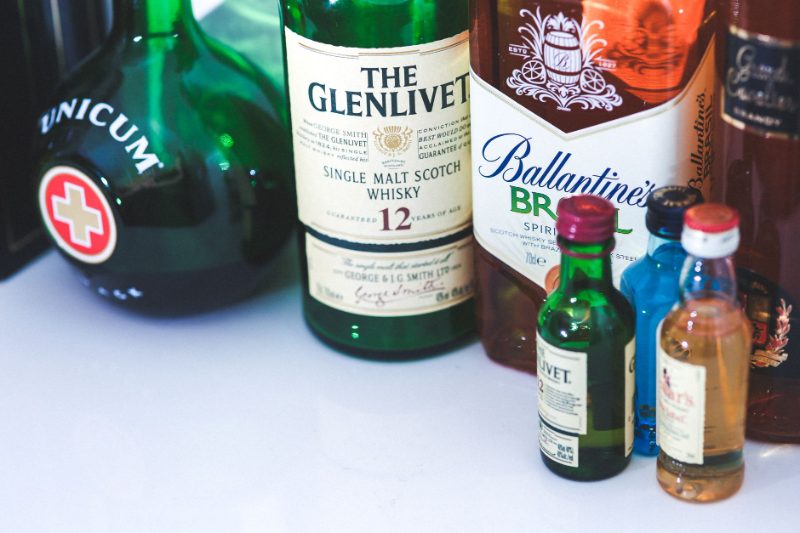
The India-UK Free Trade Agreement, coming into force on July 15, 2026, cuts whisky import tariffs in India from 150% to 40% and reduces automobile tariffs from 100% to 10% under a quota arrangement. The India-UK FTA tariff reductions are among the most commercially significant in the agreement, alongside duty-free access for Indian textiles, gems, marine products, and engineering goods into the UK market.
The landmark tariff changes follow years of negotiations and represent a major shift in India’s historically protectionist stance on Scotch whisky and imported vehicles. Both sectors have long been at the top of the UK’s trade priority list, and their inclusion in the FTA signals the depth of the bilateral relationship forged under the agreement signed on July 24, 2025.
How Will India’s Whisky Tariff Reduction Affect Scotch Imports?
India is one of the world’s largest whisky markets by volume, with annual retail sales exceeding $2 billion. The reduction of import duties from 150% to 40% is expected to make Scotch whisky significantly more affordable for Indian consumers, potentially tripling UK whisky exports to India over the next five years. Scotch Whisky Association chief executive Mark Kent called the tariff cut “transformative,” estimating it would add £1 billion in annual UK export revenues from India within a decade. The quota-based tariff reduction for automobiles similarly opens the premium vehicle market — currently dominated by domestically assembled vehicles — to a broader range of UK-manufactured cars.
Which Indian Export Sectors Gain the Most from UK FTA Tariff Changes?
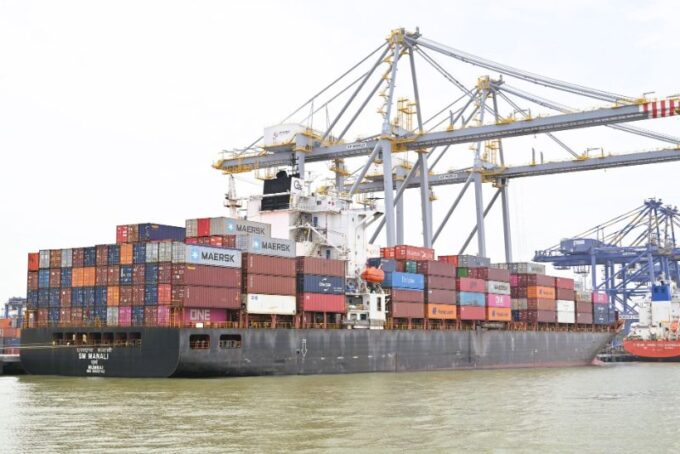
On the Indian side, the FTA’s tariff liberalisation covers 99% of UK tariff lines, with near-zero duties for textiles and apparel (previously 9–12%), marine products, gems and jewellery, leather goods, footwear, and sports goods. Engineering goods, auto components, and organic chemicals also gain improved access. The Federation of Indian Export Organisations (FIEO) projects that Indian exports to the UK could grow by $5–7 billion annually within three years of the FTA’s implementation, with textiles and gems expected to account for the largest share of new trade flows.
Market and Trade Reaction
Indian textile exporters in Tirupur, Surat, and Mumbai have reported a surge in UK buyer inquiries ahead of July 15. Gems and jewellery exporters from the Gems and Jewellery Export Promotion Council (GJEPC) have begun preparing UK-compliant documentation. On the UK side, Scotch whisky distillers and premium car manufacturers including Jaguar Land Rover have announced increased production capacity targets for India. Bilateral trade currently stands at approximately £38 billion annually and is forecast to reach over £60 billion within a decade under the FTA’s full implementation.
What Happens Next?
From July 15, 2026, importers and exporters on both sides must submit certificates of origin and comply with the FTA’s rules of origin standards to claim preferential tariff treatment. Automobile tariff reductions are phased under a quota framework, with full liberalisation expected over 10 years. The whisky tariff is set to fall further in subsequent phases of the agreement. India’s steel safeguard provisions remain in dispute and may be subject to a separate bilateral review. Businesses are encouraged to consult their respective trade ministries for updated tariff schedules and documentation requirements.
Frequently Asked Questions
By how much are whisky tariffs cut under the India-UK FTA?
Under the India-UK FTA effective July 15, 2026, India’s import tariff on Scotch whisky is reduced from 150% to 40%. This reduction is expected to substantially increase Scotch whisky sales in India, which is one of the world’s largest and fastest-growing whisky markets.
How do India-UK FTA automobile tariff reductions work?
The India-UK FTA reduces automobile import tariffs from 100% to 10% under a quota arrangement, meaning a specified volume of UK-manufactured vehicles can enter India at the reduced 10% duty. Imports above the quota threshold will continue to attract higher tariff rates, with full liberalisation phased over a 10-year period.
Which Indian export sectors benefit most from the India-UK FTA tariff changes?
Indian textiles, gems and jewellery, marine products, leather goods, footwear, sports goods, engineering goods, and auto components benefit most from the India-UK FTA, gaining duty-free or significantly reduced-duty access to the UK market from July 15, 2026.











Leave a comment