


India and the United States are racing to finalise the first tranche of their bilateral trade deal before July 22, 2026, when the additional 10% US tariff on Indian goods is set to expire. The India-US trade deal first tranche is designed to give India preferential market access over competing exporters, with negotiations effectively complete and final legal language under review in Washington.
Commerce Minister Piyush Goyal has described the US agreement as the “Father of All Deals,” reflecting its scale and strategic importance to India’s export ambitions. India has pushed consistently for a legally binding preferential access mechanism — one that gives Indian goods a competitive edge over other countries in the US market — as a condition for signing the first phase of the agreement.
What Is at Stake in the India-US Trade Deal Before July 22?
The July 22, 2026 deadline is significant because the Section 122 base tariff at 10% — applied to all countries — is set to expire around that date. If a deal is signed before then, India could lock in preferential treatment before the tariff landscape resets. Currently, the broader US tariff on India stands at 50%, affecting major exports including textiles, gems and jewellery, and auto parts. India has negotiated several concessions in exchange for tariff relief: moving toward zero tariffs on US goods, eliminating non-tariff barriers, committing to shift crude oil sourcing toward the US, and pledging major future purchases of American products.
What Do Analysts and Industry Bodies Say About the India-US Deal?
Trade analysts view the India-US deal as a structural shift in the bilateral relationship, moving beyond the tariff disputes that defined 2024-25. India’s refusal to settle for less than a legally sound preferential access mechanism — one that demonstrably advantages India over China and other competitors — has slowed the final stages of the deal but reflects New Delhi’s long-term strategic calculus. The Confederation of Indian Industry (CII) has urged the government not to compromise on this point, arguing that preferential access is the deal’s most commercially valuable feature for Indian manufacturers.
Market and Trade Reaction
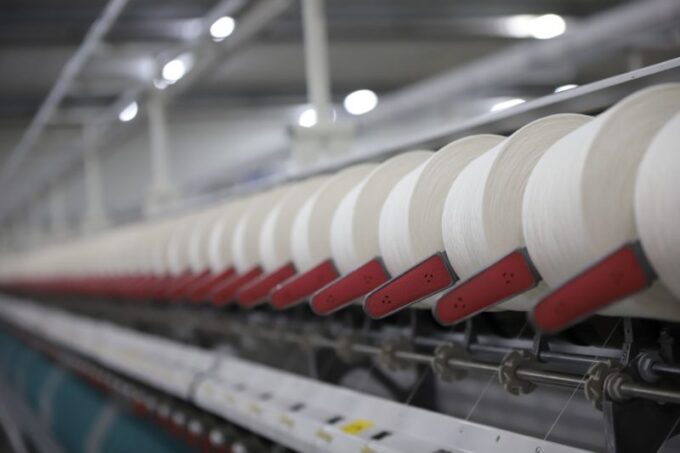
Indian textile and pharmaceutical exporters are watching the July 22 deadline closely. Shares in export-oriented sectors including IT services, specialty chemicals, and gems have seen elevated volatility ahead of the deadline. The rupee has remained broadly stable against the dollar, supported by India’s $4.7 billion current account surplus in April 2026. US importers in retail and consumer goods have also been factoring India deal scenarios into their sourcing plans, with some already shifting orders from China to India in anticipation of formalised preferential access.
What Happens Next?
The final decision on the first tranche rests on Washington’s ability to establish a legally sound preferential mechanism before the July 22 tariff expiry. If a deal is signed, it will cover a subset of goods with the broadest remaining negotiations on agriculture, digital trade, and services deferred to a second phase. If no deal is reached by July 22, both sides are expected to pursue a short-term extension to avoid disruption. India is concurrently finalising the EU-India FTA and expanding trade negotiations with Gulf states, Latin America, and Africa.
Frequently Asked Questions
What is the India-US trade deal first tranche and when is it expected to be signed?
The India-US trade deal first tranche is a partial bilateral trade agreement covering a subset of goods that will give India preferential market access in the United States. It is expected to be signed before July 22, 2026, when the current 10% additional US tariff on all countries is set to expire.
Why is India insisting on preferential market access in the US trade deal?
India is insisting on a legally binding preferential access mechanism that gives Indian goods a competitive edge over other countries — particularly China — in the US market. This preferential treatment is seen as the most commercially valuable element of the agreement for Indian exporters in textiles, gems, pharmaceuticals, and auto parts.
What has India agreed to offer the US in exchange for tariff relief?
In exchange for tariff relief, India has agreed to move toward zero tariffs on US goods, eliminate certain non-tariff barriers, shift crude oil sourcing toward American suppliers, adopt stronger Buy American policies in select sectors, and commit to major future purchases of US products.










Leave a comment