

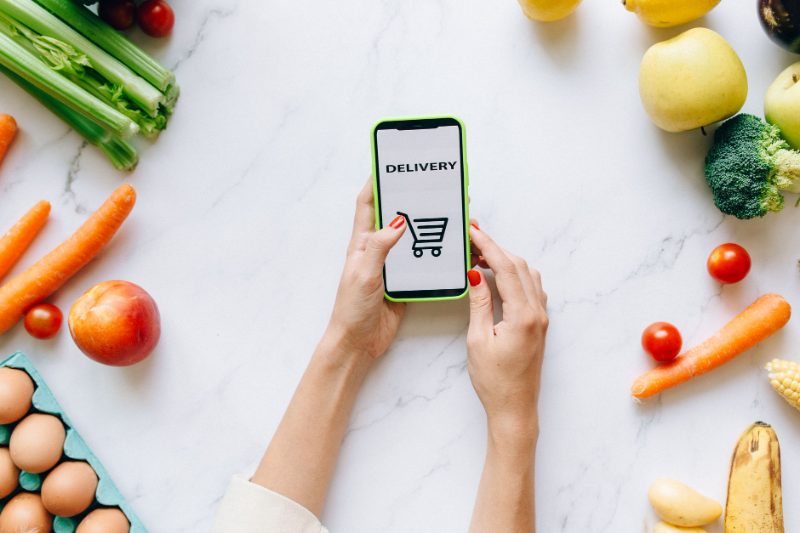
Quick commerce platforms Blinkit, Zepto, and Swiggy Instamart have built sophisticated digital advertising infrastructure in 2026, creating India’s newest and fastest-growing advertising channel by targeting consumers at the moment of purchase intent—when they’re browsing grocery apps late at night. Quick commerce advertising in India is now a mainstream marketing investment for FMCG, consumer electronics, and personal care brands seeking hyper-relevant, conversion-optimised placements.
Unlike traditional digital advertising that targets users based on inferred interest signals, quick commerce ads reach buyers with a live shopping basket—meaning relevance is inherently high and conversion rates significantly outperform standard display or social advertising. India’s quick commerce market, now valued at over $5 billion, is growing at 60% annually and represents a captive, high-intent audience that brands are racing to access.
How Are Brands Using Quick Commerce Advertising in India?
Brands advertising on Blinkit, Zepto, and Swiggy Instamart can run sponsored product listings, banner placements, and in-app branded sections targeting specific product categories, geographies, or time slots. FMCG companies including Hindustan Unilever, Nestlé, and ITC are among the early power users, allocating dedicated quick commerce marketing budgets separate from traditional digital spends. The ability to target a consumer searching for instant noodles at midnight with a competitive brand alternative—and have the product delivered in 10 minutes—is a marketing proposition that simply did not exist before 2023 and is now a standard tactic for consumer brands in 2026.
What Makes Quick Commerce Ads Different from Other Digital Advertising?
Quick commerce advertising sits at the intersection of retail media and performance marketing. Unlike Google search ads that capture demand, or Meta ads that create demand, quick commerce ads capture demand at the exact moment of transaction—making them among the highest-converting digital ad formats in India’s market. Attribution is also cleaner: if a consumer sees an ad on Blinkit and adds the product to their basket, the conversion is directly measurable within the same session. This closed-loop attribution is drawing performance marketers frustrated with measurement complexity post-cookie deprecation and DPDP Act consent requirements.
Industry Reaction and Expert Commentary
Digital marketing agencies report that quick commerce advertising allocations have grown from near-zero in 2023 to 5–15% of total digital budgets for major FMCG brands in 2026. The trend reflects India’s unique quick commerce density: Blinkit, Zepto, and Swiggy Instamart now collectively cover over 100 Indian cities, with dark store networks enabling 10-minute delivery across urban India. For brands, this creates precise local targeting—the ability to serve ads only in pin codes where their products are available, eliminating wasted spend on consumers outside delivery coverage zones.
What Happens Next?
Quick commerce platforms are investing in more sophisticated advertising products: video ads, brand stories, loyalty programme integrations, and AI-powered recommendation placements. Expect Zepto Ads and Blinkit Ads to launch self-serve platforms for SME advertisers by late 2026, dramatically expanding the advertiser base beyond large FMCG companies. Integration of quick commerce advertising data with broader retail media networks could also give brands a unified view of in-store, online, and quick-delivery consumer behaviour for the first time.
Frequently Asked Questions
What is quick commerce advertising and how does it work in India?
Quick commerce advertising refers to sponsored product placements and banner ads within 10-minute delivery apps like Blinkit, Zepto, and Swiggy Instamart. Brands pay to appear when a shopper is actively browsing for similar products, resulting in high conversion rates and direct attribution within the same shopping session.
Which brands advertise on Blinkit, Zepto, and Swiggy Instamart?
FMCG companies including Hindustan Unilever, Nestlé, ITC, and personal care and consumer electronics brands are the primary advertisers on India’s quick commerce platforms in 2026, with dedicated quick commerce marketing teams increasingly common in large consumer companies.
How big is quick commerce advertising as a share of India’s digital marketing budget?
Quick commerce advertising has grown from negligible spend in 2023 to 5–15% of total digital marketing budgets for major FMCG brands in 2026, as platforms like Blinkit and Zepto expand coverage to over 100 Indian cities and launch increasingly sophisticated ad products.












Leave a comment