

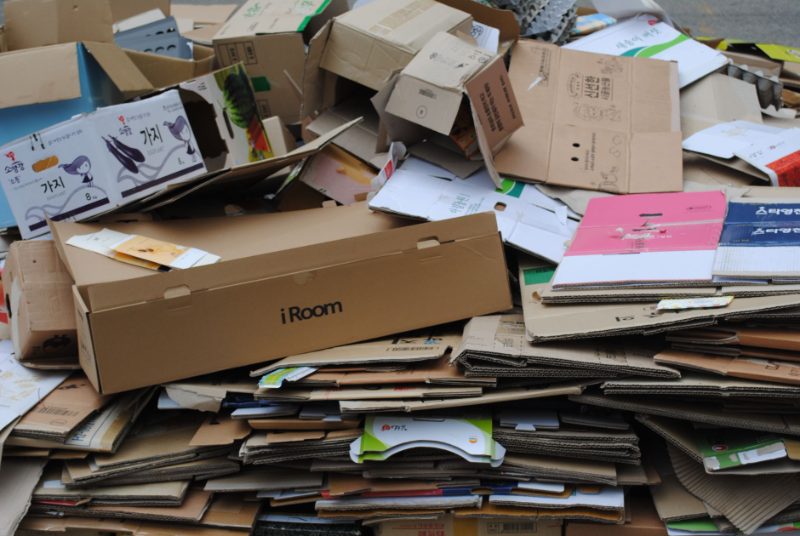
The Bharat Chamber of Commerce (BCC) has urged the West Bengal government to push for a cut in the GST cut paperboard packaging demand, seeking a reduction from 18% to 5% ahead of the 57th GST Council meeting scheduled in Kolkata later in July 2026. The demand targets what BCC calls an inverted duty structure squeezing India’s corrugated packaging industry.
In a letter dated June 30, 2026, BCC President Naresh Pachisia asked the West Bengal government to raise the issue at the upcoming GST Council meeting. Corrugated cartons, boxes and cases made from paper and paperboard are used across agriculture, food processing, pharmaceuticals, FMCG, engineering and e-commerce supply chains, making the tax rate a sector-wide concern rather than a niche one.
Why Is India’s Packaging Industry Pushing for a GST Cut on Paperboard?
According to BCC, key raw materials used in paper manufacturing, including wood pulp, currently attract just 5% GST, while finished paper and paperboard products used to make corrugated packaging are taxed at 18%. This inverted duty structure means packaging converters pay a lower tax rate on inputs than on the paperboard they buy to manufacture boxes, creating working-capital strain and blocked input tax credits across the supply chain.
What Does This Mean for the Broader Packaging Industry?
India is the world’s third-largest producer and consumer of corrugated paper boxes, with volumes of around 12 million tonnes, roughly 7.7% of the global total. A GST cut to 5% on paperboard would lower costs for corrugated box makers who supply everything from e-commerce shipping cartons to FMCG secondary packaging, potentially easing price pressure that has built up as containerboard producers gained pricing power amid stronger demand through 2026.
Market Reaction and Industry Response
BCC has framed the request as essential to protecting the competitiveness of India’s packaging manufacturers, many of whom are small and mid-sized converters operating on thin margins. The chamber’s letter specifically asks the West Bengal government to champion the issue at the Council, reflecting how state governments are being used as a lobbying route by regional industry bodies ahead of the meeting. No formal response has yet come from the GST Council or the central government.
What Happens Next?
The 57th GST Council meeting is expected to take place in Kolkata later this month, where the paperboard rate anomaly will be among the items industry groups are pushing to get onto the agenda. Packaging converters, corrugated box manufacturers and paper mills will be watching closely for any rate rationalisation announcement, which could flow through to lower packaging costs across food processing, pharma and e-commerce sectors if approved.
Frequently Asked Questions
What GST rate change is the packaging industry asking for?
The Bharat Chamber of Commerce wants GST on paper and paperboard used in corrugated packaging cut from 18% to 5%, to match the 5% rate already charged on wood pulp and other raw materials.
What is the inverted duty structure in the packaging industry?
It refers to a situation where raw materials like wood pulp are taxed at 5% GST, but the finished paperboard used to make packaging is taxed at 18%, raising costs and blocking input tax credits for converters.
When will the GST Council decide on this packaging industry demand?
The issue is expected to be raised at the 57th GST Council meeting, scheduled to be held in Kolkata later in July 2026, though no formal decision has been announced yet.








Leave a comment