

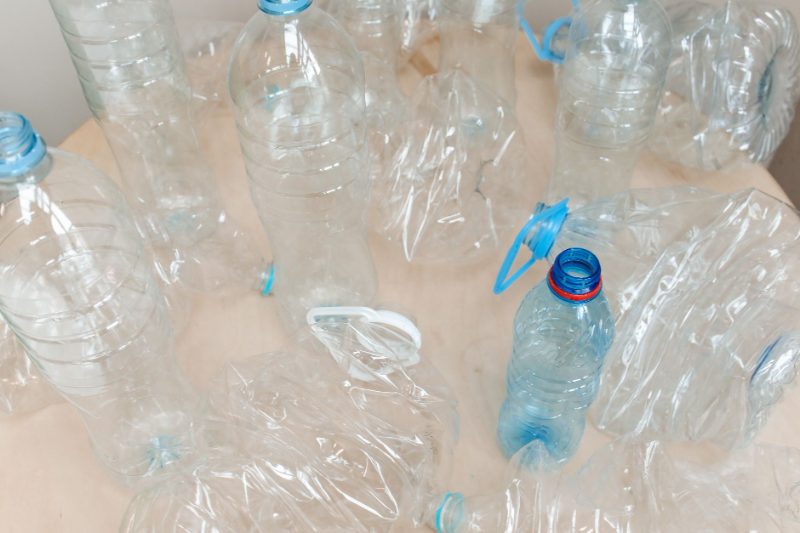
India has amended its Plastic Waste Management Rules to mandate the use of recycled content in plastic packaging, pushing producers, importers and brand owners beyond simple recycling targets toward actively incorporating recycled material into new packaging. The Plastic Waste Management (Amendment) Rules of March 31, 2026, also reshape certificate issuance, audit requirements and how shortfalls in compliance are handled.
Under the Extended Producer Responsibility framework, producers, importers and brand owners must recycle or reuse at least 70 percent of the plastic waste they generate by 2026-27, with the target rising to 100 percent by 2028-29. More than 60,000 entities are already registered under the EPR framework, and enforcement has picked up, with penalties including a Rs 1 crore fine against BPCL and cumulative fines of Rs 19.82 crore against a Delhi-based importer for non-compliance.
Why Are India’s Plastic Packaging Rules Tightening in 2026?
The amendments respond to slow progress on circularity goals under the original EPR framework introduced in 2022, which set recycling targets but did not require recycled content in new packaging. By mandating minimum recycled content alongside phased-in traceability requirements, such as on-pack barcodes or QR codes for plastic packaging information, regulators aim to close the loop between collection and reuse rather than allowing collected waste to go unused.
What Does This Mean for Packaging Manufacturers and Brand Owners?
Packaging manufacturers face higher compliance costs to source and certify recycled resin, while brand owners must redesign packaging formats to meet recycled-content thresholds without compromising product safety or shelf appeal. Companies already investing in recyclable and biodegradable packaging, such as those working with paper-based or mono-material plastic alternatives, are positioned to gain market share as compliance costs rise for conventional multi-layer packaging.
Market Reaction and Industry Response
Enforcement actions against major players, including the Rs 1 crore penalty on BPCL, signal that authorities intend to apply the rules broadly rather than symbolically. Industry groups have generally supported the direction of the reforms while flagging concerns about the availability and cost of food-grade recycled plastic, which remains limited relative to demand from FMCG and packaged food companies scaling up compliant packaging lines.
What Happens Next?
Producers, importers and brand owners must continue ramping up recycled-content sourcing and traceability systems ahead of the 2026-27 recycling target of 70 percent, with the fully closed-loop target of 100 percent due by 2028-29. Compliance audits and certificate issuance under the amended rules are expected to intensify through the rest of the fiscal year as the Ministry of Environment finalises implementation guidance.
Frequently Asked Questions
What changed in India’s Plastic Waste Management Rules in 2026?
The March 31, 2026 amendment mandates minimum recycled content in plastic packaging, alongside reshaped certificate, audit and shortfall-handling requirements for producers, importers and brand owners.
What are the EPR recycling targets under the new rules?
Producers, importers and brand owners must recycle or reuse at least 70 percent of plastic waste by 2026-27, rising to 100 percent by 2028-29.
What penalties have been imposed for non-compliance?
BPCL was fined Rs 1 crore for EPR lapses, while a Delhi-based importer faces cumulative fines of Rs 19.82 crore for plastic waste non-compliance.











Leave a comment