

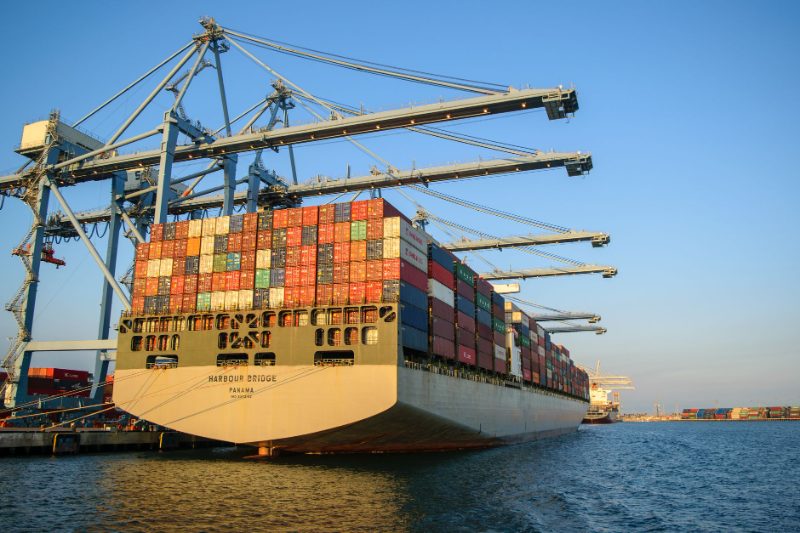
The India-UK Comprehensive Economic and Trade Agreement (CETA) came into force on July 15, 2026, giving nearly 99 percent of Indian exports duty-free or preferential access to the UK market. The agreement is projected to lift bilateral trade by £25.5 billion annually, adding an estimated £5.1 billion to India’s GDP and £4.8 billion to the UK’s.
Under CETA, roughly 90 percent of UK goods entering India will see tariffs eliminated or reduced, while labour-intensive Indian export sectors such as textiles, leather, and gems and jewellery gain immediate duty-free access to British tariff lines. Prime Minister Narendra Modi said the deal would give “fresh momentum” to farmers, entrepreneurs and MSMEs. A companion Agreement on Social Security exempts temporary Indian workers in the UK, and their employers, from UK National Insurance contributions for up to five years.
Which Indian Export Sectors Gain Most From CETA?
Textiles, apparel, footwear and leather goods stand to gain the most immediate benefit, since these labour-intensive sectors previously faced UK tariffs of up to 12 percent. Gems and jewellery exporters, along with auto components and engineering goods manufacturers, are also expected to see improved price competitiveness against rivals from Bangladesh, Vietnam and China in the UK market.
What Do Economists and Industry Bodies Say?
Industry groups including FIEO and CII have called CETA the most significant trade agreement India has signed with a developed economy, citing the scale of tariff elimination. Economists caution that realising the projected £25.5 billion trade uplift will depend on Indian exporters meeting UK regulatory and rules-of-origin requirements, and on domestic industry upgrading quality standards to compete on non-price factors as well.
Market and Trade Reaction
Textile and leather exporter stocks saw renewed investor interest around the CETA implementation date, while UK-based automakers and Scotch whisky producers, both beneficiaries of reduced Indian import duties, welcomed the deal’s entry into force. Bilateral trade between the two countries stood at roughly $21 billion before the agreement, a base the two governments expect CETA to expand significantly over the next five years.
What Happens Next?
With CETA now operational, exporters on both sides must register under the new preferential tariff schedules and rules-of-origin certification process to claim reduced duties. Both governments are expected to conduct a joint review of implementation progress within the first year, with a broader Bilateral Investment Treaty still under separate negotiation.
Frequently Asked Questions
When did the India-UK CETA come into force?
The India-UK Comprehensive Economic and Trade Agreement took effect on July 15, 2026, following its signing earlier in the year.
How much of India’s exports get duty-free access to the UK under CETA?
Approximately 99 percent of Indian exports gain duty-free or preferential access to UK tariff lines under the agreement.
What is the expected economic impact of CETA?
The agreement is projected to boost bilateral trade by £25.5 billion a year, raising India’s GDP by an estimated £5.1 billion and the UK’s by £4.8 billion.














Leave a comment