

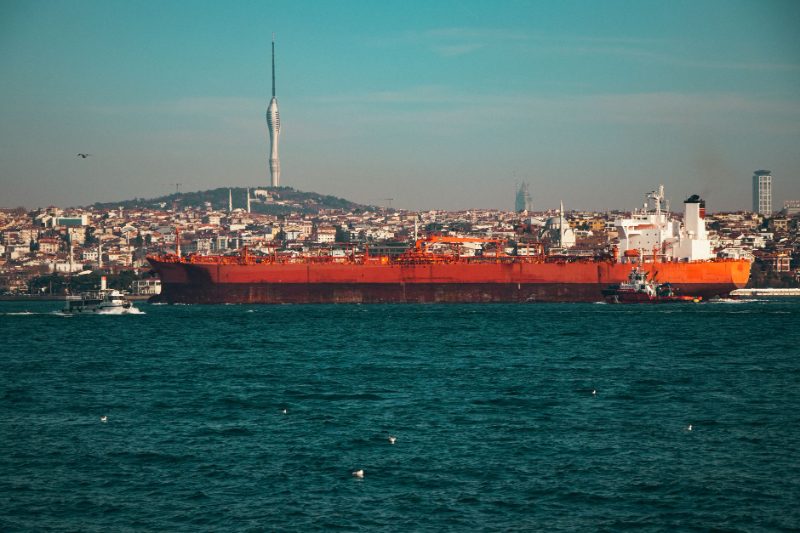
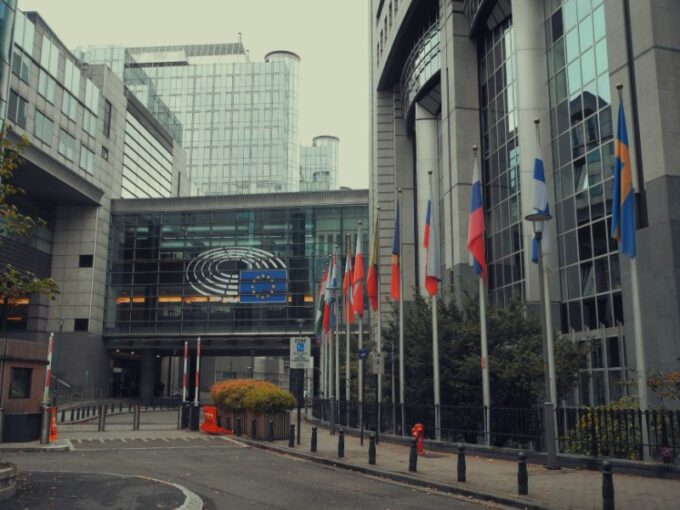
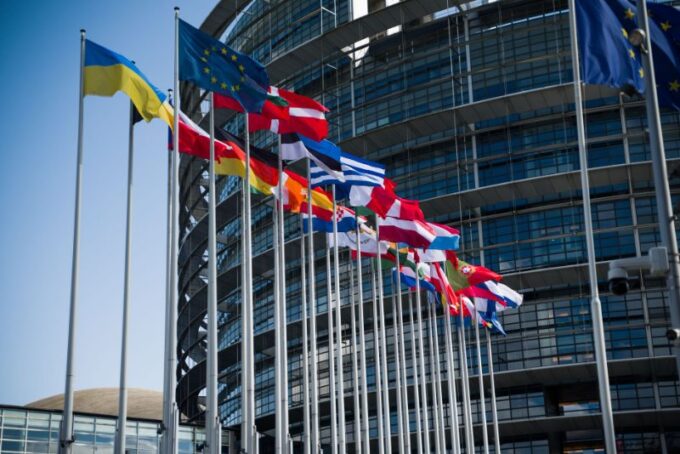
The European Union and the Gulf Cooperation Council on July 19, 2026, jointly rejected as “unlawful” any claim by a state to sovereignty or control over the Strait of Hormuz, opposing the imposition of permits or fees on international shipping through the strategic waterway. The joint statement responds to Iran’s continued restrictions on commercial traffic through the strait since fighting broke out with the United States and Israel in late February 2026.
The Strait of Hormuz carries roughly 27 percent of the world’s seaborne crude oil and petroleum product trade, alongside about a fifth of global liquefied natural gas shipments. Since March 4, 2026, Iranian forces have declared the strait “closed” and have targeted vessels attempting transit, causing what the International Energy Agency has described as the largest supply disruption in the history of the global oil market.
Why Does the Strait of Hormuz Dispute Matter for Global Trade?
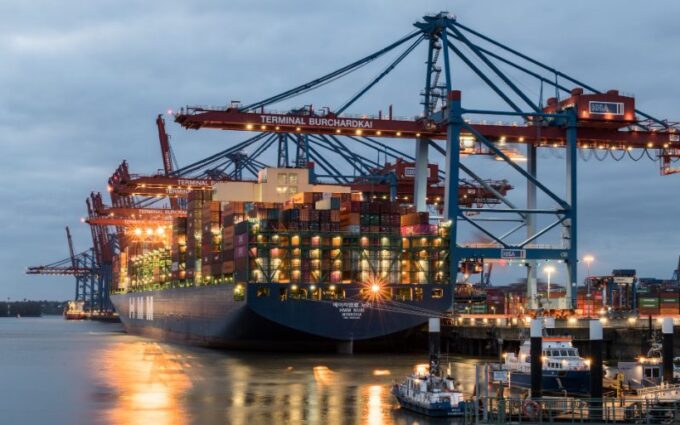
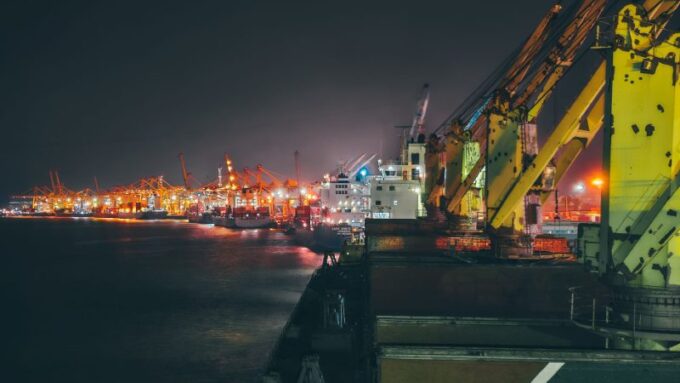
Roughly a quarter of the world’s seaborne oil trade transits Hormuz, making any restriction on passage a direct threat to global energy supply chains and freight costs. Weekly transit data show traffic through the strait fell more than 50 percent in mid-July compared with the prior week, as shipping lines reroute or delay voyages amid the security threat, driving up war-risk insurance premiums across the shipping industry.
What Do Trade Bodies and Economists Say?
The EU-GCC statement signals a coordinated diplomatic push to keep the waterway open under international law rather than accept unilateral Iranian control. Maritime trade bodies have warned that prolonged restrictions risk permanently rerouting a share of global oil and LNG trade toward alternative corridors, including proposed overland pipelines and new port infrastructure being explored by Gulf states such as the UAE.
Market and Trade Reaction
Brent crude touched a one-month high near $85.92 a barrel in mid-July as the conflict continued, and freight and insurance costs for tankers transiting the Gulf have risen sharply. Countries heavily reliant on Hormuz-routed energy imports, including India, which sources more than 85 percent of its crude oil from overseas, face higher landed fuel costs the longer the standoff persists.
What Happens Next?
Diplomatic efforts led by the EU and GCC are expected to continue alongside separate US-Iran negotiations over a broader ceasefire. Shipping industry monitors will be watching weekly transit volumes through the strait as the key indicator of whether the joint statement translates into safer passage for commercial vessels.
Frequently Asked Questions
What did the EU and GCC say about the Strait of Hormuz?
On July 19, 2026, the EU and Gulf Cooperation Council jointly called any claim of sovereignty or control over the Strait of Hormuz unlawful and opposed permits or fees on international shipping through it.
How much global oil trade passes through the Strait of Hormuz?
About 27 percent of the world’s seaborne crude oil and petroleum product trade transits the Strait of Hormuz, along with roughly a fifth of global LNG shipments.
How has the crisis affected shipping traffic?
Weekly transit volumes through the strait fell more than 50 percent in mid-July 2026 compared with the previous week as vessels avoided the area amid the security threat.






Leave a comment