

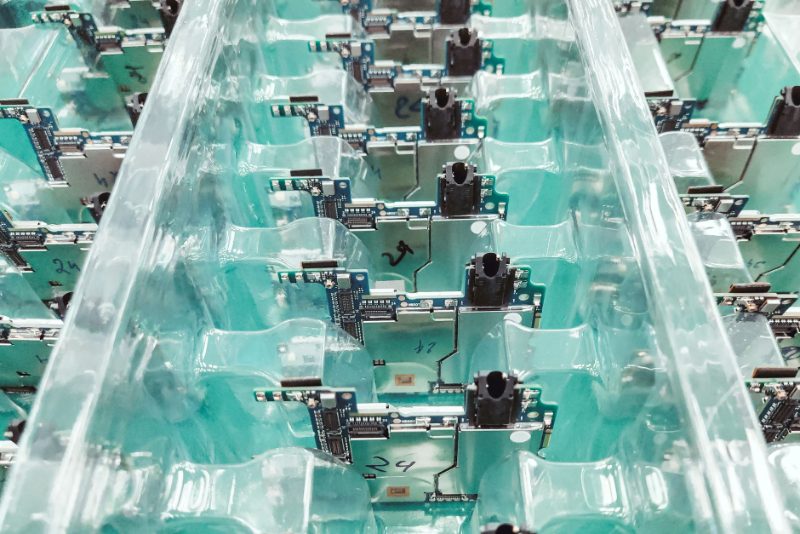
The Cabinet Committee on Economic Affairs (CCEA) approved Semicon Mission 2.0 with an outlay of Rs 1.27 lakh crore on July 15, 2026, alongside a new National Investment Policy for Urea (NIPU-2026) and a Rs 62,500 crore mobile manufacturing incentive scheme. Semicon Mission 2.0 India is designed to attract roughly Rs 4 lakh crore in investment to build an end-to-end domestic semiconductor ecosystem covering design, fabrication, raw materials, and AI-chip production.
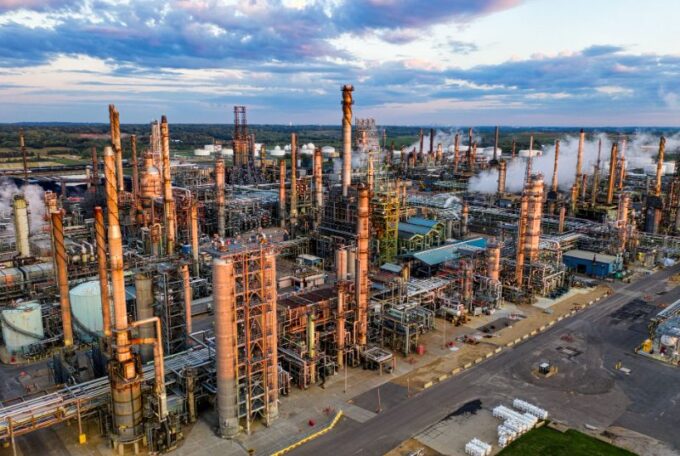
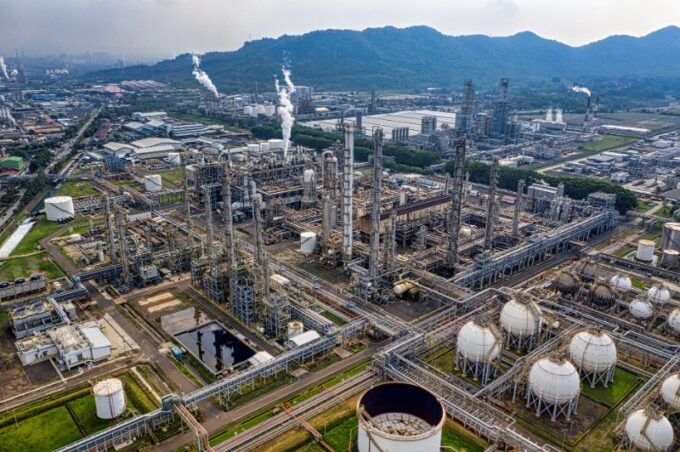
The urea policy, NIPU-2026, targets 8-9 new gas-based urea manufacturing plants, each with capacity of about 12.7 lakh metric tonnes, adding roughly 1 crore metric tonnes of domestic production to cut India’s reliance on imported fertiliser. The mobile manufacturing scheme offers incentives of 2.25 to 5 percent on sales and is projected to generate Rs 39 lakh crore in cumulative production and 60,000 direct jobs.
How Will Semicon Mission 2.0 Change India’s Chip Industry?
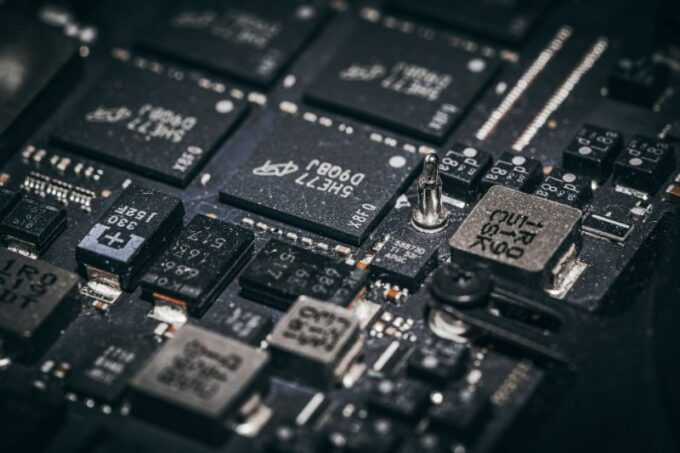
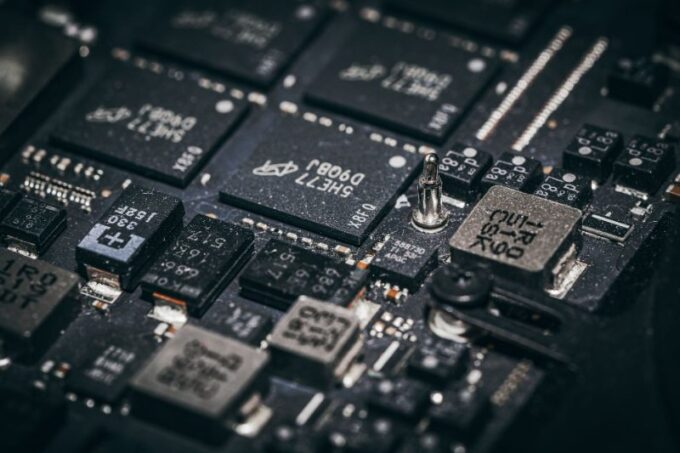
Semicon Mission 2.0 India builds on the original Rs 76,000 crore Semicon India programme by widening incentives to raw material suppliers and AI-chip design units, not just fabrication plants. The government expects the scheme to reduce India’s near-total dependence on imported semiconductors, which currently exposes electronics, automotive, and telecom manufacturers to global supply shocks.
What Do Industry Bodies Say About the Urea and Mobile Schemes?
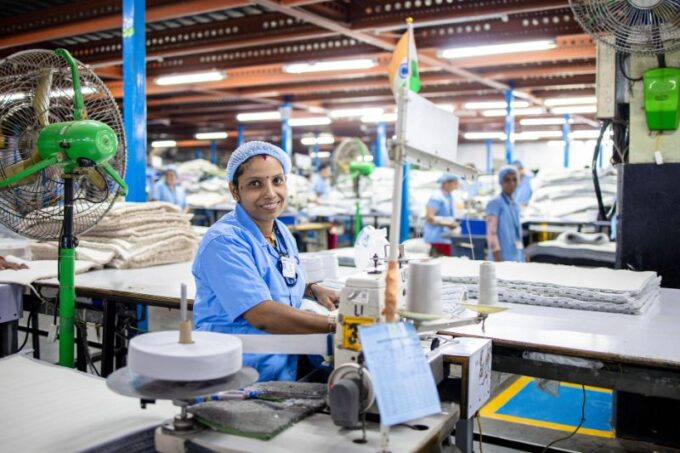
Fertiliser industry associations welcomed NIPU-2026 as overdue, noting India still imports a significant share of its urea despite being one of the world’s largest consumers. Electronics manufacturers’ bodies said the mobile manufacturing scheme’s sales-linked incentives should help India compete more directly with Vietnam and China on smartphone assembly and component sourcing.
Market and Trade Reaction
Shares of listed semiconductor ancillary and electronics manufacturing services companies gained in the sessions following the announcement, as investors priced in fresh capital expenditure demand. Fertiliser stocks also saw modest gains on expectations of long-term import substitution, though analysts cautioned that new urea plants typically take three to four years to reach commercial output.
What Happens Next?
The Ministry of Electronics and IT is expected to notify detailed Semicon Mission 2.0 guidelines and application windows in the coming weeks, while the Department of Fertilisers will invite investment proposals under NIPU-2026. Implementation timelines for all three schemes will be closely tracked ahead of the next Union Budget review.
Frequently Asked Questions
What is the outlay for Semicon Mission 2.0?
Semicon Mission 2.0 India has an outlay of Rs 1.27 lakh crore and is expected to attract about Rs 4 lakh crore in investment across the semiconductor value chain.
What does NIPU-2026 aim to achieve?
NIPU-2026 aims to set up 8-9 new gas-based urea plants to add about 1 crore metric tonnes of domestic production and cut India’s urea import dependence.
How much investment does the mobile manufacturing scheme offer?
The scheme has a Rs 62,500 crore outlay with sales-linked incentives of 2.25 to 5 percent, targeting Rs 39 lakh crore in cumulative production and 60,000 direct jobs.









Leave a comment