

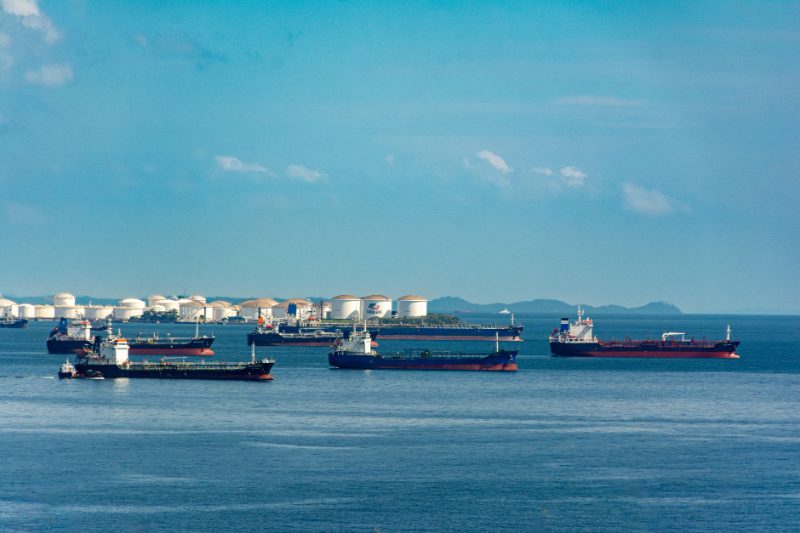
The Strait of Hormuz oil crisis has intensified through July 2026, with US forces striking Iran for nine consecutive nights in retaliation for attacks on oil tankers transiting the strait, pushing Brent crude futures to around $89.22 a barrel and West Texas Intermediate to about $83.23. The escalation carries direct consequences for India, which sources a substantial share of its crude oil imports through the Gulf region and the Strait of Hormuz shipping lane.
Oil prices have swung sharply through the month: Brent jumped roughly 4.6 percent to $88.10 a barrel after Kuwait reported an Iranian strike on a power and desalination plant, and prices rose further after President Trump warned Iran would pay for the deaths of US service members. Energy analysts including Amrita Sen of Energy Aspects have warned that a substantial slowdown in Hormuz shipping traffic combined with depleted global inventories could push oil above $100 a barrel if the conflict persists.
How Does the Strait of Hormuz Crisis Affect India?
India is one of the world’s largest crude oil importers and relies heavily on Gulf supplies that transit the Strait of Hormuz. Sustained price increases directly raise India’s oil import bill, pressure the rupee, and feed into retail fuel prices, even though petrol and diesel rates have stayed largely steady since late May due to domestic pricing policy by state-run oil marketing companies.
What Are the Broader Risks From This Conflict?
Adding to the disruption, Iran’s Houthi allies in Yemen have declared a maritime embargo against Saudi Arabia, raising the risk of wider regional shipping disruptions beyond the Strait of Hormuz itself. Analysts describe the current phase as a fuel crisis with the potential to reshape global energy trade flows if tanker traffic through the strait continues to be targeted.
Market and Trade Reaction
Asian currencies, including the Indian rupee, have come under pressure alongside the oil price spike, while shipping and insurance costs for tankers transiting the Gulf have risen sharply. Indian oil marketing companies and refiners are closely monitoring crude procurement costs as the conflict continues into its second week of intensive strikes.
What Happens Next?
Markets are watching for any diplomatic de-escalation between the US and Iran or a resumption of normal shipping through the Strait of Hormuz, which analysts say is the single biggest swing factor for oil prices in the near term. India’s Ministry of Petroleum and Natural Gas is expected to continue monitoring import costs and strategic reserve levels as the situation develops.
Frequently Asked Questions
Why are oil prices rising because of the Strait of Hormuz?
US strikes on Iran and Iranian attacks on oil tankers transiting the Strait of Hormuz have disrupted shipping and raised supply concerns, pushing Brent crude to about $89 a barrel.
How does this affect India specifically?
India imports a large share of its crude oil through the Gulf and the Strait of Hormuz, so higher oil prices raise India’s import bill and pressure the rupee.
Could oil prices go even higher?
Energy analysts warn that a prolonged slowdown in Hormuz shipping combined with low global inventories could push oil prices above $100 a barrel.












Leave a comment