

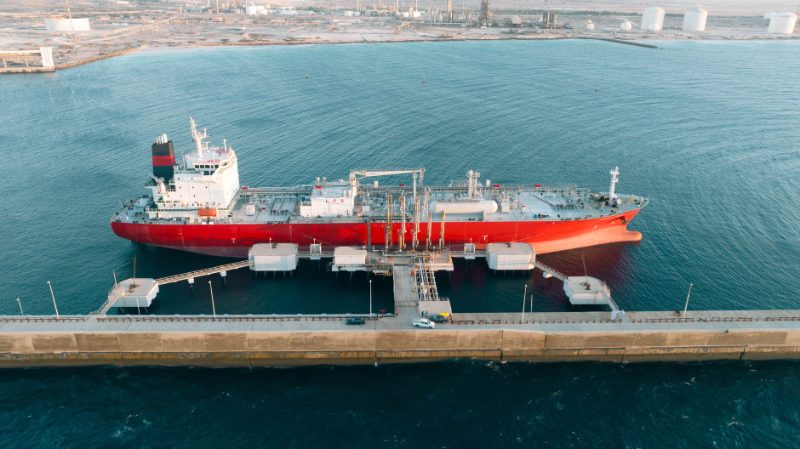
Yemen’s Houthi movement has declared a maritime embargo against Saudi Arabia, widening the shipping risk already triggered by the US-Iran conflict over the Strait of Hormuz. The Houthi maritime embargo Saudi Arabia now faces adds a second front of disruption to Gulf shipping lanes, compounding a fuel crisis that has already pushed Brent crude toward $89 a barrel this month.
The Houthis, widely regarded as an Iran-aligned armed movement, have previously targeted commercial shipping in the Red Sea and Bab-el-Mandeb strait during earlier phases of regional conflict. Their latest declared embargo against Saudi Arabia comes as the US continues strikes on Iran for a ninth consecutive night over tanker attacks in the Strait of Hormuz, raising the prospect of coordinated disruption across two of the Gulf region’s most critical maritime corridors.
How Serious Is the Threat to Gulf Shipping?
Shipping insurers and freight operators are reassessing risk premiums for vessels transiting both the Red Sea and the Strait of Hormuz, given that a combined blockade risk affects a much larger share of global oil and container trade than either chokepoint alone. Analysts note that even a partial slowdown in tanker traffic across these routes could tighten global crude supply meaningfully, given already-depleted inventories.
What Do Regional and Global Trade Bodies Say?
Gulf shipping industry representatives have flagged rising insurance costs and rerouting considerations for vessels serving Saudi ports, while global trade bodies tracking the conflict describe the embargo declaration as a significant escalation risk layered on top of an already volatile Strait of Hormuz standoff. Saudi Arabia has not yet detailed a formal response to the Houthi declaration.
Market and Trade Reaction
Oil markets have reacted to the combined Hormuz and Red Sea risk with continued price gains, while shipping and logistics firms serving Gulf routes report early signs of rerouting and elevated freight quotes. Countries dependent on Gulf energy imports, including India, are watching both chokepoints closely given their combined exposure to regional crude supply.
What Happens Next?
Analysts expect shipping lines and insurers to continue adjusting routes and premiums as the embargo declaration and Strait of Hormuz strikes both remain active. Diplomatic efforts to de-escalate the broader US-Iran conflict are seen as the most direct path to reducing risk across both maritime corridors.
Frequently Asked Questions
What did the Houthis declare against Saudi Arabia?
Yemen’s Houthi movement declared a maritime embargo against Saudi Arabia, adding a second shipping-risk front alongside the ongoing Strait of Hormuz conflict.
How does this affect global oil markets?
The declaration adds to existing Strait of Hormuz disruption, raising the risk of tighter global crude supply and contributing to Brent crude prices near $89 a barrel.
Why does this matter for countries like India?
India relies heavily on Gulf crude oil imports, so combined disruption risk across the Red Sea and Strait of Hormuz raises concerns about import costs and supply security.












Leave a comment