

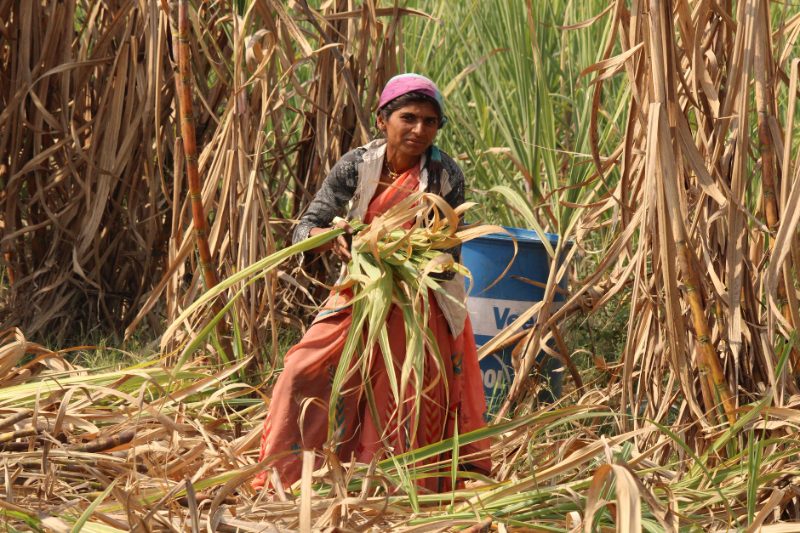
The Directorate General of Foreign Trade (DGFT) has amended India’s sugar export policy from “Restricted” to “Prohibited” with immediate effect, a notification that will remain in force until September 30, 2026. The change tightens outbound shipments of sugar while carving out limited exemptions for specified categories and government-approved consignments already in the pipeline.
The amendment falls under the Foreign Trade Policy 2023 framework administered by the Ministry of Commerce and Industry, and follows a pattern of periodic DGFT interventions in sugar trade aimed at balancing export earnings against domestic price stability ahead of the festive and sugarcane crushing season.
Why Has DGFT Prohibited Sugar Exports Until September 30, 2026?
Moving sugar from “Restricted,” which allowed exports under licence, to “Prohibited” effectively closes the general export route except for pre-approved and specifically exempted shipments. Trade watchers say the timing, just ahead of the new sugarcane crushing season, points to a domestic supply-management objective, ensuring adequate stock is available for the local market before next season’s output is confirmed.
The notification does not affect contracts already cleared under government approval, meaning exporters with existing authorisations can continue to fulfil those specific shipments even as new general export applications are blocked.
What Do Trade Bodies Say About the Sugar Export Prohibition?
Sugar industry associations have sought clarity on which categories qualify for exemption under the prohibited classification, noting that mills with export contracts already negotiated with overseas buyers face the most immediate disruption. Commodity trade analysts note that India’s sugar export policy has oscillated between restricted and prohibited status multiple times in recent years, reflecting the government’s preference for tight, short-term control over a longer-term liberalised export regime.
Market and Trade Reaction
Sugar mill stocks and commodity trading desks reacted to the notification with expectations of tighter export supply through the end of September, which could support domestic sugar prices while creating uncertainty for international buyers who had counted on Indian shipments. Global sugar trade watchers note that India’s export stance has an outsized influence on world sugar prices given the country’s position as a leading producer.
What Happens Next?
The prohibition is set to run until September 30, 2026, after which DGFT will need to issue a fresh notification either extending the restriction, reverting to the “Restricted” category, or liberalising exports depending on domestic supply assessments closer to the crushing season. Exporters should track DGFT’s public notice portal for any interim exemption list or extension.
Frequently Asked Questions
What changed in India’s sugar export policy?
DGFT changed sugar’s export policy status from “Restricted” to “Prohibited,” effective immediately and running until September 30, 2026, with limited exemptions for specified and pre-approved shipments.
Can existing sugar export contracts still be fulfilled?
Yes, shipments already cleared under government approval remain exempt from the new prohibition and can proceed as authorised.
Why did DGFT tighten sugar exports now?
The move comes ahead of the new sugarcane crushing season and is widely read as a domestic supply-management measure to stabilise local sugar availability and prices.











Leave a comment