

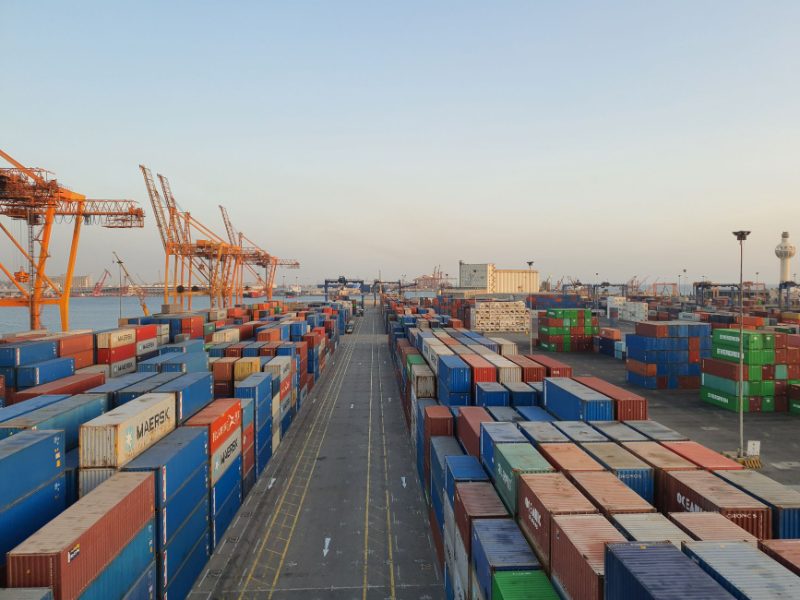
The Canada-US trade war intensified this week after President Donald Trump announced fresh import bans on Canadian dairy products, alcohol and motorcycles, set to take effect within three weeks. Canadian Prime Minister Mark Carney convened his cabinet in Banff, Alberta, on September 10, 2026, to plan a coordinated response as trade tensions between the two neighbours reached a new high.
Trump’s latest move follows his public claim that Canada is “dying” to reach a trade deal with Washington, a statement Ottawa has publicly rejected. Ontario Premier Doug Ford has backed Carney’s push for “dollar-for-dollar” counter-tariffs, signalling that Canada is prepared to escalate rather than concede ground in the dispute.
How Will the New US Tariffs Affect Canadian Exporters?
The import bans target three politically sensitive Canadian export categories: dairy, alcohol and motorcycles. Canadian dairy cooperatives and craft distillers are expected to face immediate order cancellations from US buyers once the ban takes effect in three weeks, while motorcycle manufacturers reliant on the US market face a sudden loss of access. Trade analysts say the sector-specific nature of the bans is designed to maximise political pressure on Ottawa without triggering broader economic disruption.
What Do Economists and Industry Bodies Say?
Canadian trade economists have warned that reciprocal tariffs risk raising costs for consumers on both sides of the border, particularly in the alcohol and agriculture sectors where supply chains are deeply integrated. Industry groups in Ontario and Quebec have urged Ottawa to pursue World Trade Organization dispute channels alongside any retaliatory tariffs, arguing that a prolonged tit-for-tat could damage investor confidence in North American trade stability.
Market and Trade Reaction
The Canadian dollar has come under pressure against the US dollar since the tariff announcement, and cross-border logistics firms report early signs of order rescheduling as US importers seek to beat the three-week deadline. Global trade monitors tracking North American supply chains say the dispute adds fresh uncertainty for manufacturers that source components from both countries.
What Happens Next?
Carney’s cabinet meeting in Banff is expected to finalise Canada’s counter-tariff package before the US import bans take effect in roughly three weeks. Trade watchers expect further rounds of talks between Ottawa and Washington, though officials on both sides have given no indication of an imminent resolution.
Frequently Asked Questions
What products are affected by the new US-Canada trade dispute?
The US import bans target Canadian dairy products, alcohol and motorcycles, with the measures scheduled to take effect around three weeks from the September 10, 2026 announcement.
How is Canada planning to respond to the US tariffs?
Prime Minister Mark Carney is coordinating a response with his cabinet, with Ontario Premier Doug Ford backing “dollar-for-dollar” counter-tariffs against US goods.
Why did the Canada-US trade tensions escalate now?
Tensions rose after President Trump claimed Canada was eager for a trade deal and followed up with new sector-specific import bans, prompting Ottawa to convene emergency trade talks.











Leave a comment