

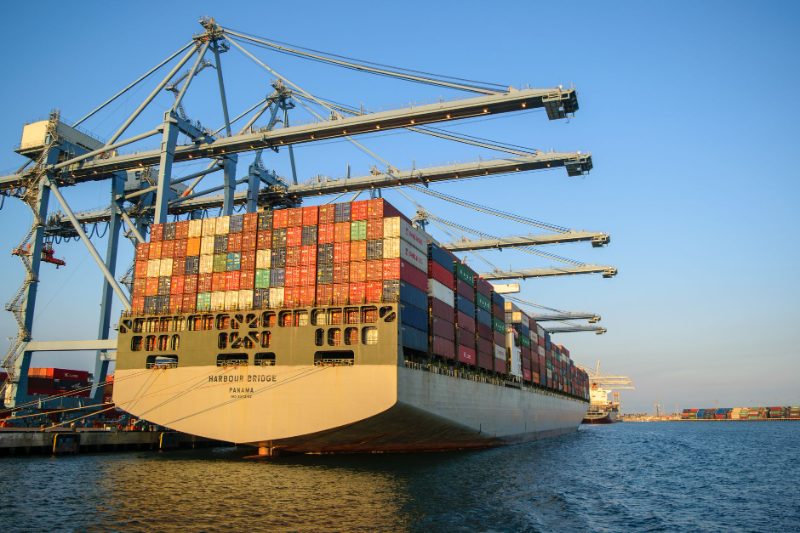
Canada has begun imposing retaliatory tariffs on US steel, dairy, electronics and large motorcycles, matching Washington’s tariffs dollar for dollar as the North American trade war escalates further in September 2026. The move follows months of stalled talks between Ottawa and Washington and adds fresh uncertainty to global trade flows that indirectly touch Indian exporters.
Canada’s retaliatory measures include a 50 percent tariff on large US-made motorcycles, a category that has drawn attention because of its symbolic targeting of politically sensitive American manufacturing. The Tax Foundation estimates the broader wave of US tariffs will add roughly $151.5 billion in customs duty collections in 2026 alone, with retaliatory tariffs from trading partners including Canada and China projected to shave 0.1 percent off long-run US GDP.
How Does the Canada-US Tariff Standoff Affect Indian Trade?
Indian trade analysts say the escalating North American dispute could redirect global supply chains in India’s favour in select categories, particularly steel, engineering goods and electronics components, as buyers on both sides look to diversify sourcing away from tariff-affected corridors. However, economists caution that a broader slowdown in US-Canada trade could dampen overall global demand, a risk for India’s export-driven sectors that count North America among their top markets.
What Do Trade Economists and Industry Bodies Say?
Commerce Ministry officials tracking the dispute noted that Indian steel and electronics exporters have already seen enquiry volumes rise from North American buyers seeking alternative suppliers. FIEO, India’s apex export promotion body, said the situation reinforces the case for India to accelerate its own trade agreements, including the pending India-EU FTA and ongoing UK and US negotiations, to lock in preferential access ahead of competitors.
Market and Trade Reaction
Global markets showed mixed reactions, with commodity-linked and industrial stocks in India seeing selective gains on hopes of trade diversion benefits, while broader risk sentiment stayed cautious amid worries about slower North American growth. The Canadian dollar and US equities tied to affected sectors, including motorcycles and dairy, saw notable volatility following the tariff announcements.
What Happens Next?
Canada’s former envoy to Washington has said formal talks between the two governments could take months to resume, suggesting the standoff will persist through the rest of 2026. Indian trade officials say they are monitoring the dispute closely for sourcing-diversion opportunities while continuing to push forward on India’s own bilateral and multilateral trade negotiations.
Frequently Asked Questions
Why is Canada imposing retaliatory tariffs on the US?
Canada is matching new US tariffs dollar for dollar on steel, dairy, electronics and large motorcycles after negotiations to resolve the broader tariff dispute stalled through 2026.
Could the Canada-US tariff war benefit Indian exporters?
Indian steel, engineering and electronics exporters could see higher enquiries from North American buyers seeking alternative suppliers, though a broader trade slowdown could offset some of that gain.
How much revenue will the new US tariffs generate?
The Tax Foundation estimates new US tariffs will add about $151.5 billion in customs duty collections in 2026, and roughly $2 trillion over the next decade.













Leave a comment