

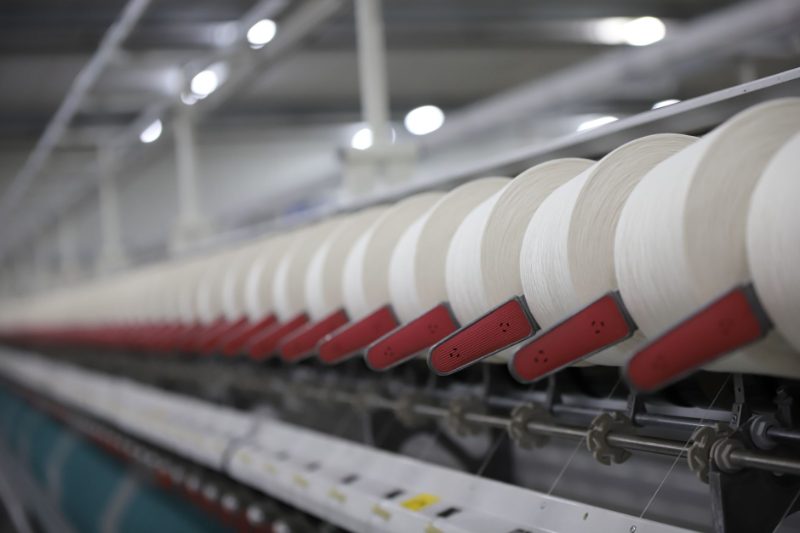
India’s textile industry has urged the central government to extend the cotton import duty waiver India currently allows beyond its October 31, 2026 expiry, warning that a lapse could worsen an already sharp run-up in raw material costs. The Tiruppur Exporters Association and other industry bodies are pressing for a six-month extension, citing a roughly 24% rise in raw cotton prices over the past six months and a nearly 60% jump in cotton yarn prices during 2026.
The Finance Ministry’s existing notification grants full exemption from basic customs duty and the Agriculture Infrastructure and Development Cess on imported cotton, running from June 1 through October 31, 2026. Government sources indicate the Centre may extend the exemption at least until December, though no final decision has been announced as of mid-September.
Why Is India’s Textile Industry Seeking a Longer Cotton Import Duty Waiver?
The push for an extended cotton import duty waiver India policy stems from a sustained decline in domestic cotton output, which fell 2.35% in 2025-26 to 290 lakh bales of 170 kg each, marking a sixth consecutive annual decline and leaving production more than 17% below 2021-22 levels. With domestic supply shrinking, textile mills and garment exporters argue duty-free imports are essential to keep yarn costs manageable and protect India’s price competitiveness in export markets.
Tiruppur’s exporters, who form the backbone of India’s knitwear export hub, say cotton yarn prices have jumped close to 60% during 2026 alone, squeezing margins on export orders that were priced and contracted well before the latest cost surge. Because export contracts are typically locked in advance, exporters cannot pass on the higher input costs to overseas buyers, forcing many to absorb losses even as order volumes from the US and EU remain strong.
What Does This Mean for India’s Textile and Apparel Sector?
The cotton import duty waiver India debate sits at the center of a broader tension between textile mills, who benefit from cheaper imported cotton, and domestic cotton farmers, who prefer higher prices during the harvest season and have opposed extending the waiver into their selling window. This has made the policy decision politically sensitive, since farmer groups argue an extension undercuts the prices they receive just as the new crop reaches markets.
For India’s roughly $190 billion textile and apparel industry, which is targeting growth to $350 billion by 2030, resolving the cotton cost squeeze is seen as critical to sustaining the export momentum that industry bodies say has finally turned positive after a difficult 2025 marked by tariff pressures and global uncertainty.
Market Reaction and Industry Response
Industry associations including CITI (Confederation of Indian Textile Industry) have echoed the Tiruppur exporters’ call, framing the duty waiver extension as a lifeline for the sector’s cost competitiveness. Some Tamil Nadu textile mills have gone further, separately calling for a ban on cotton yarn exports and citing a 60 lakh bale domestic shortfall alongside allegations that large spinners are influencing supply to keep prices elevated.
On the other side, cotton growers and their representative bodies have pushed back against any extension that overlaps with the harvest and marketing season, arguing farmers deserve to benefit from firmer prices after years of weak realisations.
What Happens Next on India’s Cotton Duty Policy?
A government decision is expected in the coming weeks, ahead of the current waiver’s October 31 expiry, with indications pointing toward at least a partial extension through December rather than the full six months industry has requested. Exporters and mills will be watching closely, since the outcome will directly shape input costs for the crucial festive and year-end export order cycle.
Frequently Asked Questions
Why does India’s textile industry want the cotton import duty waiver extended?
Domestic cotton output has fallen for six straight years while cotton yarn prices have jumped nearly 60% in 2026, so mills and exporters say duty-free imports are needed to keep costs manageable and protect export competitiveness.
When does the current cotton import duty waiver expire?
The existing waiver, which exempts basic customs duty and the AIDC cess on cotton imports, is set to expire on October 31, 2026.
Why are cotton farmers opposed to extending the duty waiver?
Farmer groups argue that extending the waiver during the harvest and marketing season would suppress the prices they receive for their crop, after years of relatively weak cotton prices.










Leave a comment